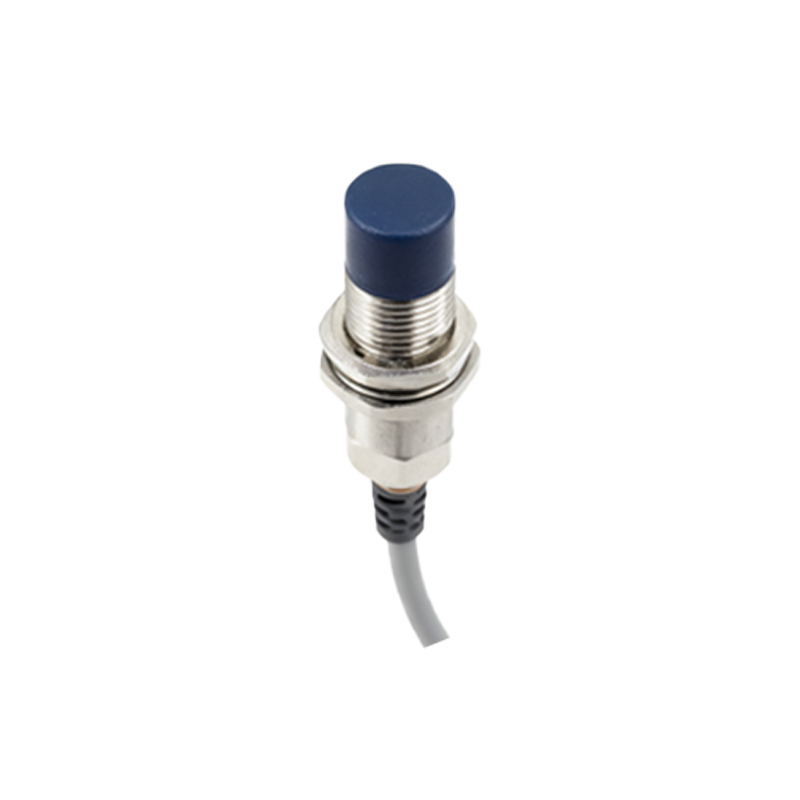
Small square proximity switch sensors represent a critical component in modern industrial automation, offering reliable non-contact detection capabilities in compact form factors. These sensors, typically constructed with durable PBT or stainless steel housings, operate on the principle of electromagnetic field disturbance or capacitive change, enabling them to detect metallic or non-metallic objects without physical contact. The standardized square design, often measuring 12mm×12mm to 30mm×30mm, allows for easy integration into machinery with limited space, such as robotic arms, conveyor systems, and packaging equipment.
One of the key advantages of small square proximity sensors is their immunity to environmental contaminants. Unlike mechanical switches, they contain no moving parts that can wear out from dust, oil, or moisture exposure. Many models feature IP67 or higher ingress protection ratings, ensuring consistent performance in harsh manufacturing environments. The sensing range varies by model, with standard inductive types detecting ferrous metals up to 15mm away, while capacitive versions can sense materials like plastic, wood, or liquids at shorter distances.
Installation considerations for these sensors include proper alignment, mounting clearances, and electrical compatibility. Most square proximity switches utilize 3-wire DC configurations (PNP or NPN output) with LED status indicators for quick diagnostics. Advanced versions incorporate IO-Link communication for parameter adjustment and condition monitoring, enabling predictive maintenance strategies. When selecting a sensor, engineers must evaluate factors such as target material, required switching frequency, temperature tolerance, and electrical noise resistance.
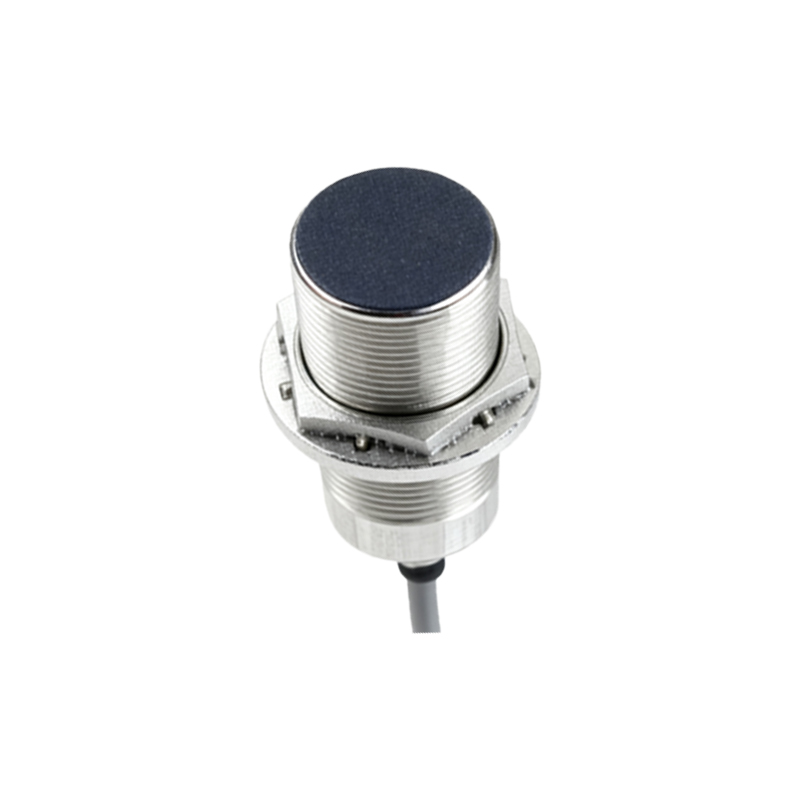
Applications span across multiple industries: in automotive manufacturing, they verify component presence in assembly jigs; in food processing, stainless steel versions detect container positions on filling lines; in material handling, they provide position feedback for automated guided vehicles. Recent innovations include hybrid designs combining inductive and capacitive sensing, reduced housing sizes without sacrificing range, and enhanced EMC protection for use near variable frequency drives.
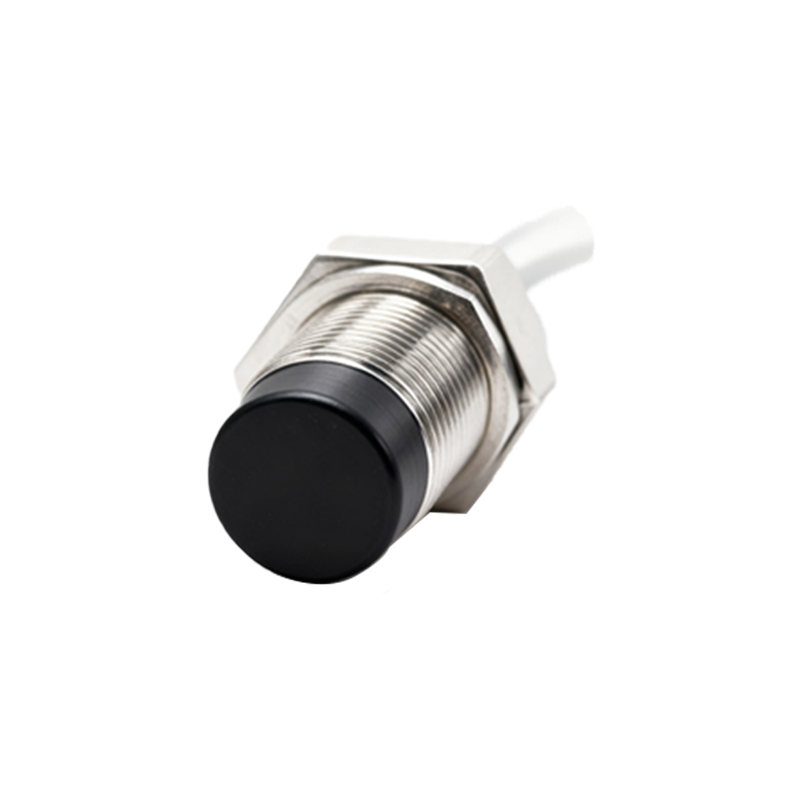
Proper maintenance involves periodic cleaning of sensing faces, verification of electrical connections, and monitoring of performance metrics through industrial networks. As Industry 4.0 advances, these sensors increasingly serve as data points in digital twin systems, contributing to optimized production workflows. Their robustness, precision, and adaptability ensure small square proximity switches remain indispensable in evolving industrial landscapes.