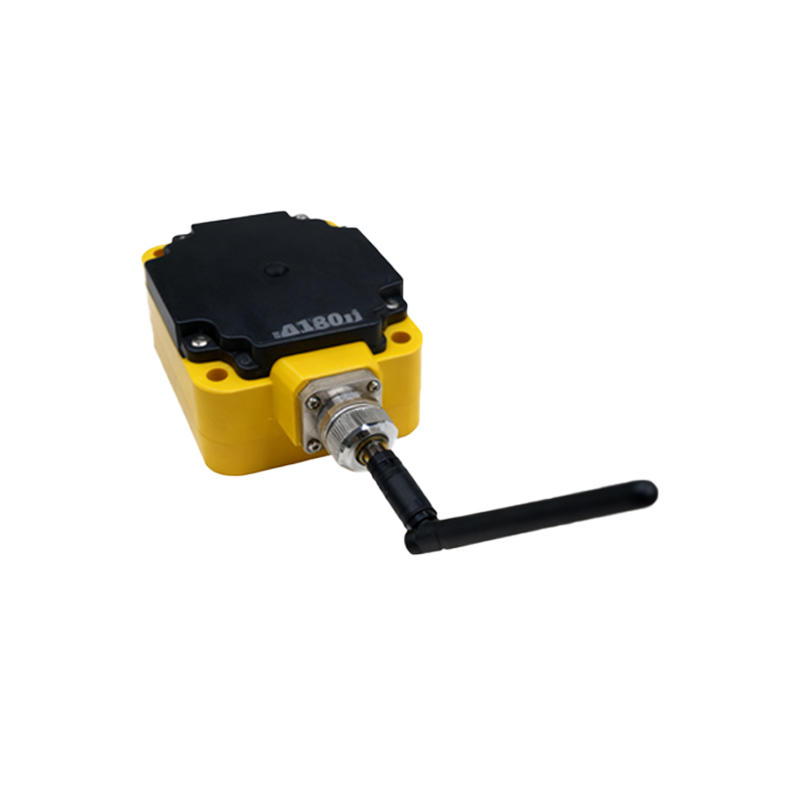
In the realm of industrial automation and process control, precise tension measurement is a critical parameter for ensuring product quality, operational efficiency, and machinery safety. Among the various technologies employed for this purpose, proximity switch tension sensors have carved out a significant niche, offering robust, non-contact solutions for demanding environments. This article delves into the operational principles, key applications, and essential selection criteria for these vital components.
At its core, a proximity switch tension sensor is an integrated system that combines a non-contact proximity sensor—often inductive, capacitive, or ultrasonic—with a mechanism designed to translate material tension into a measurable positional change. The fundamental principle is elegantly straightforward. The material whose tension is being monitored, such as a wire, filament, textile, or metal strip, passes over a sensing roller or a deflector bar. This roller is connected to a pivoting arm or a spring-loaded mechanism. As the tension in the material varies, it exerts a force on the roller, causing a minute but precise angular displacement of the arm.
Mounted in close proximity to this moving arm is the proximity switch. The switch is calibrated to detect the precise position of a target (often a metal flag attached to the arm). When the arm shifts due to changing tension, the distance between the target and the proximity sensor changes. The sensor detects this change and generates a corresponding output signal. This output can be a simple discrete on/off signal for alarm or control functions, or, in more advanced models with analog or IO-Link capabilities, a continuous signal proportional to the tension value. This continuous data can be fed into a PLC or controller for real-time monitoring and closed-loop control of drives, brakes, or clutches to maintain optimal tension.
The advantages of this design are numerous. The non-contact nature of the sensing eliminates mechanical wear on the switch itself, leading to exceptional longevity and reliability. It is inherently resistant to environmental contaminants like dust, oil, and moisture, making it ideal for harsh industrial settings found in paper mills, textile factories, wire drawing plants, and printing presses. Furthermore, these systems typically require minimal maintenance, provide fast response times, and are immune to the electrical noise common in industrial environments.
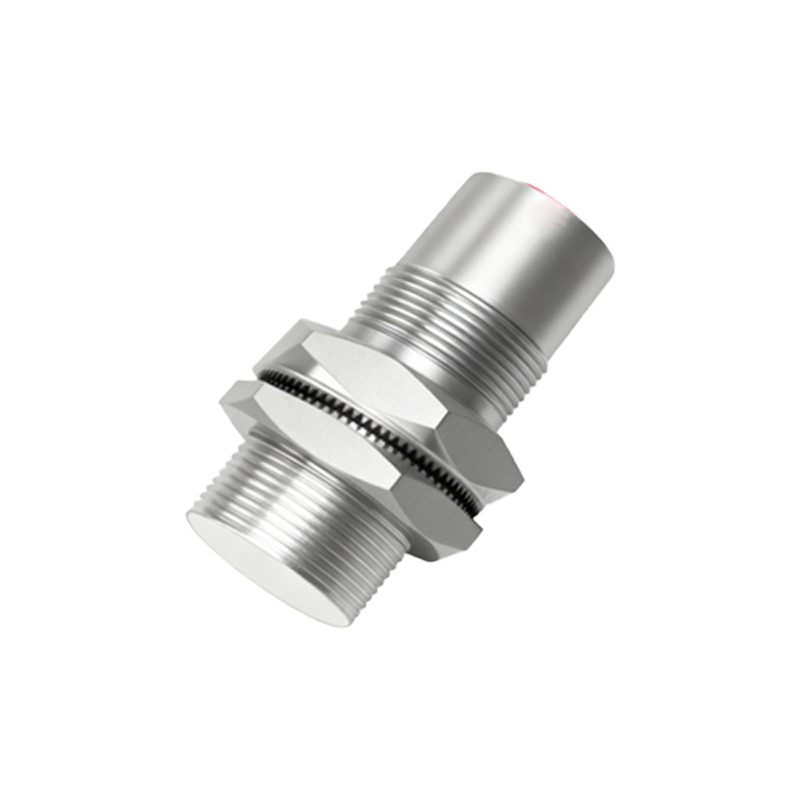
Typical applications span a wide range of industries. In web handling processes (paper, film, foil), these sensors prevent slack, wrinkles, or breaks by ensuring consistent tension across rollers. In wire and cable manufacturing, they control the tension during stranding, insulating, and coiling operations. Textile machinery uses them to manage yarn tension in weaving, knitting, and winding. They are also crucial in packaging lines for controlling film tension and in printing for registering precise web feed.
Selecting the right proximity switch tension sensor requires careful consideration of several parameters. First, the Tension Range must match the process requirements, from a few grams to several hundred kilograms. The Sensor Type (inductive for metallic targets, capacitive for non-metallics, or ultrasonic for greater ranges) must be chosen based on the target material and environmental conditions. Output Signal is critical: a digital PNP/NPN switch for simple limits, or an analog 4-20mA/0-10V signal for proportional control. Mechanical Construction must be robust enough to handle the process forces and include appropriate mounting options and roller materials compatible with the web product. Environmental Ratings (IP67, IP69K for washdown) are essential for durability. Finally, features like adjustable hysteresis, teach-in functions for easy calibration, and diagnostic capabilities can greatly enhance usability and system integration.
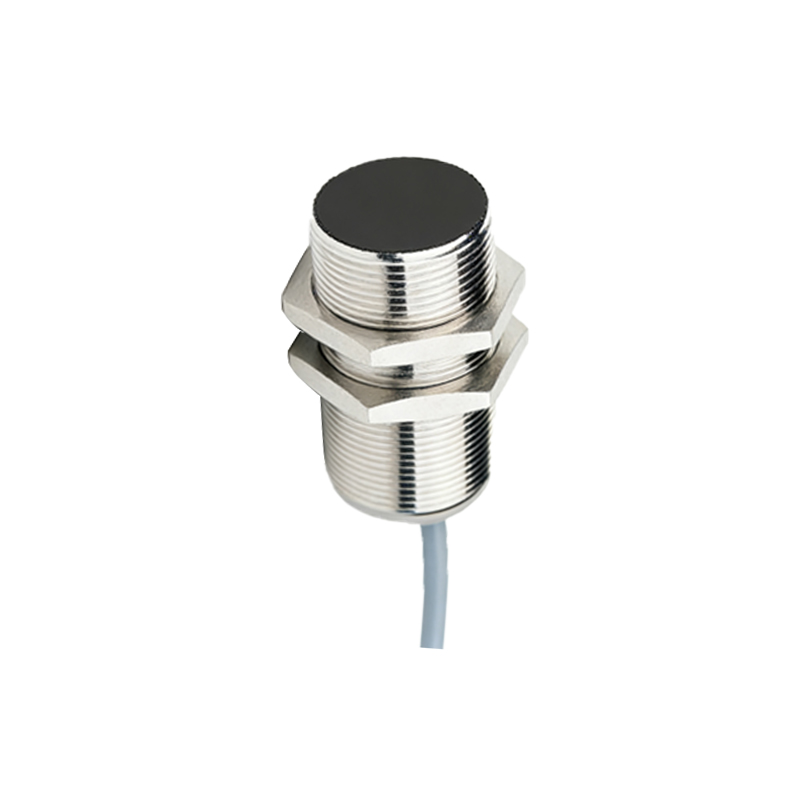
In conclusion, proximity switch tension sensors represent a mature, reliable, and versatile technology for industrial tension control. By translating a mechanical force into a clean, electronic signal through non-contact means, they provide a critical feedback loop for automation systems. Their durability, precision, and adaptability make them indispensable in countless manufacturing processes where consistent material handling is synonymous with quality and productivity. Understanding their operation and selection criteria empowers engineers and maintenance personnel to implement effective, long-lasting tension control solutions.