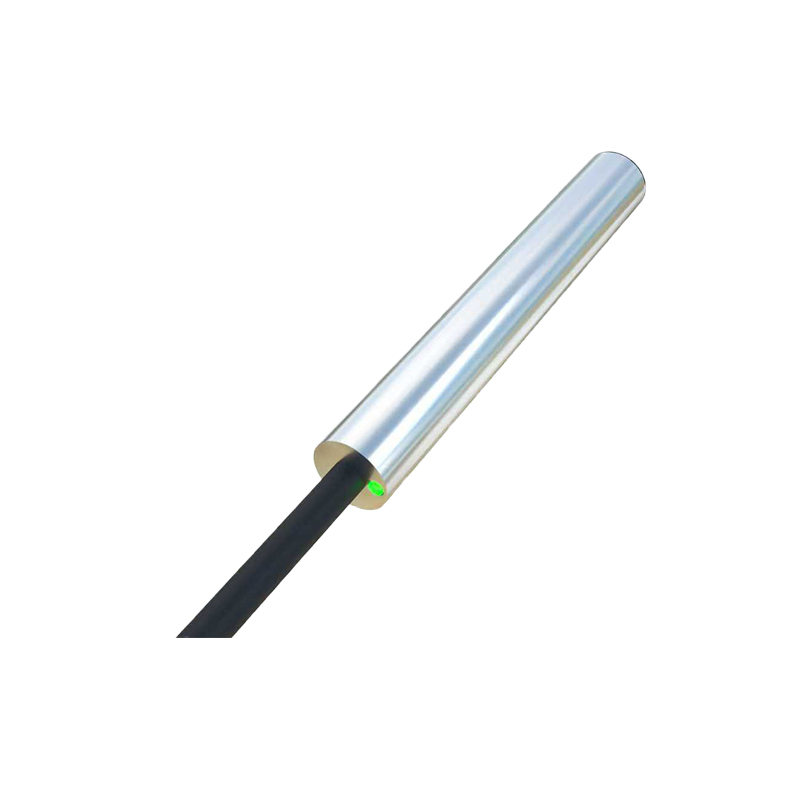
In today's smart world, human presence sensors are becoming essential components for security, automation, and energy efficiency. From turning on lights as you enter a room to managing office occupancy, the right sensor can make a significant difference. However, with a vast array of options on the market, selecting the perfect one can be daunting. This guide breaks down the key factors to consider, helping you make an informed purchase decision.
First, understand the core technology. The most common types are Passive Infrared (PIR), Microwave, Ultrasonic, and Dual-Technology sensors. PIR sensors detect changes in infrared radiation emitted by moving bodies. They are cost-effective and excellent for general motion detection in areas like hallways or bathrooms but cannot detect very slow movement or stationary presence. Microwave sensors emit microwave pulses and measure the reflection off moving objects. They can penetrate non-metallic materials like drywall, making them suitable for areas requiring coverage through partitions. However, they are more sensitive and can sometimes be triggered by non-human movement. Ultrasonic sensors emit high-frequency sound waves. They are highly sensitive and can detect very subtle movements, including breathing, making them ideal for detecting stationary presence in spaces like private offices or meeting rooms. Dual-technology sensors, often combining PIR and Microwave, require both technologies to trigger, reducing false alarms. They are preferred for high-security applications.
Next, define your primary application. The use case dictates the required features. For basic home automation like lighting control in a closet or garage, a simple, wide-angle PIR sensor is often sufficient and budget-friendly. For office environments where energy savings is a priority, you need sensors capable of detecting fine motion or stationary presence to ensure lights and HVAC systems turn off only when a room is truly vacant. Look for ultrasonic or advanced PIR with "presence detection" capabilities. For security and intrusion detection, reliability and tamper-proof design are paramount. Dual-technology sensors or high-end microwave sensors with adjustable sensitivity are common choices to minimize false alarms from pets or environmental factors.
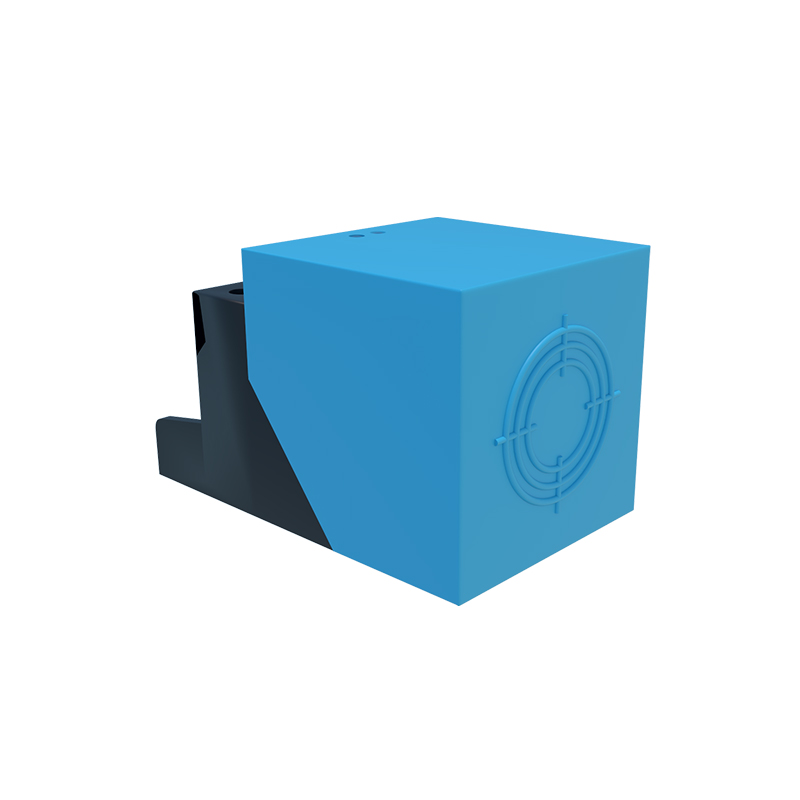
Consider the critical specifications. Coverage Range and Field of View: Check the sensor's detection range (e.g., 50 feet) and its pattern (e.g., 180-degree wide-angle or 360-degree ceiling mount). Ensure it matches the size and shape of your target area. Power Supply: Sensors can be battery-operated, hardwired (AC/DC), or powered over Ethernet (PoE). Battery-powered units offer easy installation but require maintenance. Hardwired sensors are reliable for permanent installations. Output Type: This determines how the sensor communicates. Common outputs include relay (dry contact), which acts like a simple switch, and voltage output (0-10V). For smart home integration, sensors with digital outputs like I2C, or wireless protocols like Zigbee, Z-Wave, or Wi-Fi are necessary. Environmental Ratings: For outdoor use, damp locations, or industrial settings, the Ingress Protection (IP) rating is crucial. An IP65 rating, for example, ensures protection against dust and water jets. Operating temperature ranges should also be verified.
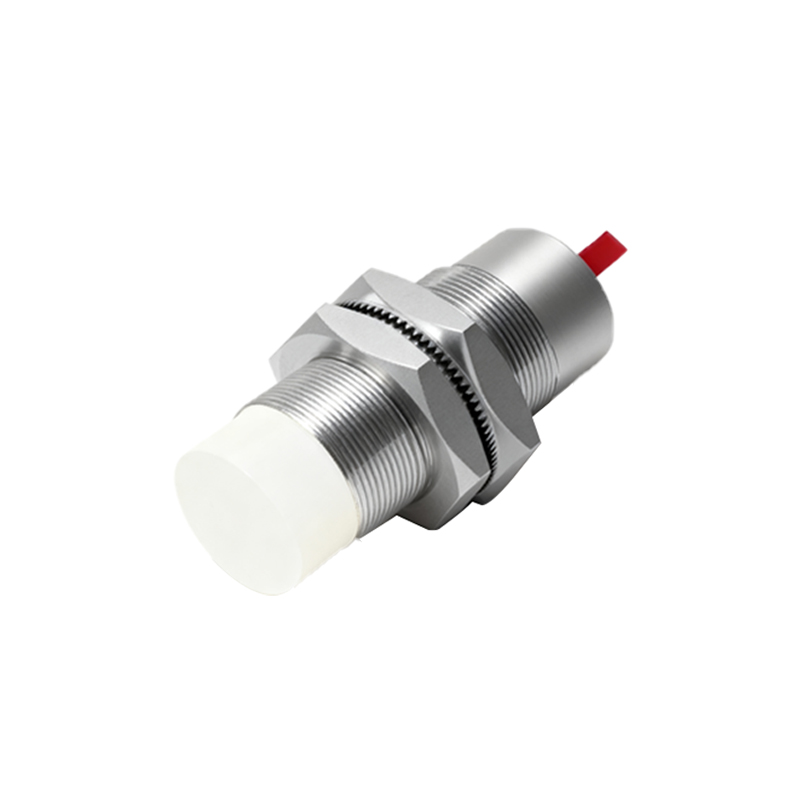
Installation and adjustability are practical concerns. Some sensors offer features like adjustable sensitivity, time delay (how long the output stays active after motion ceases), and ambient light threshold (for daylight harvesting). These settings allow you to fine-tune the sensor's behavior to your specific environment, preventing nuisance triggers and optimizing performance. Ease of installation, whether it's surface mount, recessed, or corner mount, also affects your choice.
Finally, balance cost with quality and support. While budget options exist, investing in a reliable sensor from a reputable manufacturer often pays off in the long run through durability, accuracy, and better technical support. Check for warranty periods and available documentation. Reading user reviews for real-world performance in scenarios similar to yours can provide invaluable insights.
By systematically evaluating the technology, application, specifications, and adjustability, you can navigate the market confidently. The goal is to find a human presence sensor that not only detects reliably but also integrates seamlessly into your system, providing convenience, safety, and efficiency for years to come.