In the realm of industrial safety, particularly within sectors like mining, oil and gas, and chemical processing, the accurate detection of methane (CH4) is paramount. Methane, a colorless, odorless, and highly flammable gas, poses significant risks of explosion and asphyxiation. Traditional catalytic bead sensors have long been employed for methane detection, but advancements in laser-based technology are revolutionizing the field. Laser gas sensors, specifically those utilizing Tunable Diode Laser Absorption Spectroscopy (TDLAS), offer superior performance, reliability, and safety for continuous methane monitoring.
The core principle of a laser methane sensor revolves around infrared absorption spectroscopy. Methane molecules exhibit strong, unique absorption lines in the near-infrared region of the electromagnetic spectrum. A TDLAS sensor emits a precisely tuned laser beam at a wavelength that corresponds to one of these specific absorption peaks. As the laser light passes through the target gas sample, methane molecules absorb a portion of the light energy. The sensor's detector then measures the attenuation of the laser beam. The degree of absorption is directly proportional to the concentration of methane present in the optical path, following the Beer-Lambert law. This allows for extremely accurate and selective quantification of methane levels, typically in the range of parts-per-million (ppm) to lower explosive limit (LEL) percentages.
Compared to conventional catalytic sensors, laser-based detectors present numerous advantages. Firstly, they are highly selective to methane. The laser is tuned to a spectral fingerprint unique to methane, minimizing cross-sensitivity to other gases commonly found in industrial environments, such as water vapor, carbon dioxide, or hydrogen sulfide. This eliminates false alarms and ensures readings reflect true methane hazards. Secondly, laser sensors are non-consumptive. Unlike catalytic beads, which require oxygen and can be poisoned or inhibited by certain silicones and lead compounds, the optical measurement does not alter the gas sample or degrade the sensing element. This results in a much longer operational lifespan, often exceeding 10 years, and significantly reduced maintenance requirements.
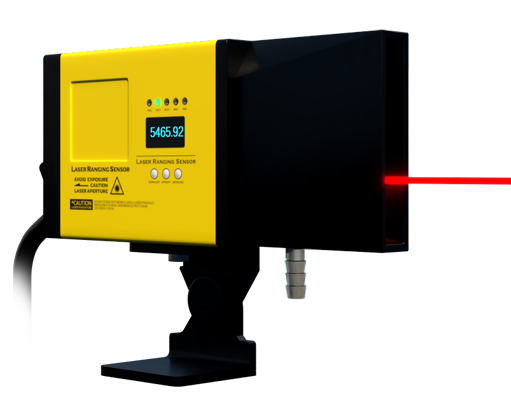
Furthermore, laser methane sensors offer exceptional response speed and stability. They provide real-time, continuous readings with a response time (T90) often under one second, enabling rapid detection of gas leaks. Their measurement is not affected by changing oxygen levels or pressure fluctuations to the same degree as catalytic sensors. The technology also allows for remote sensing capabilities. Open-path lasers can monitor methane concentrations over distances of hundreds of meters, creating a perimeter or area monitoring solution for large facilities, wellheads, or along pipelines. This is invaluable for detecting fugitive emissions and ensuring perimeter safety.
Deployment of these sensors is critical in various applications. In coal mines, they are integrated into continuous monitoring systems to provide early warning of methane accumulation, preventing catastrophic explosions. At natural gas compressor stations and processing plants, they safeguard against leaks from valves, flanges, and connectors. In biogas production and landfill sites, they monitor methane generation and ensure safe handling. The intrinsic safety of the design—often featuring no moving parts and housed in robust, explosion-proof enclosures—makes them suitable for hazardous areas classified under ATEX, IECEx, or similar standards.
While the initial investment for a laser methane sensor is typically higher than for traditional counterparts, the total cost of ownership is often lower due to minimal calibration needs, no consumable parts, and unparalleled reliability. Modern units feature digital communication protocols (e.g., 4-20 mA, HART, Modbus, WirelessHART) for seamless integration into plant Distributed Control Systems (DCS) or Safety Instrumented Systems (SIS). Regular calibration checks with certified methane gas are still recommended to ensure long-term accuracy, but the intervals are far less frequent.
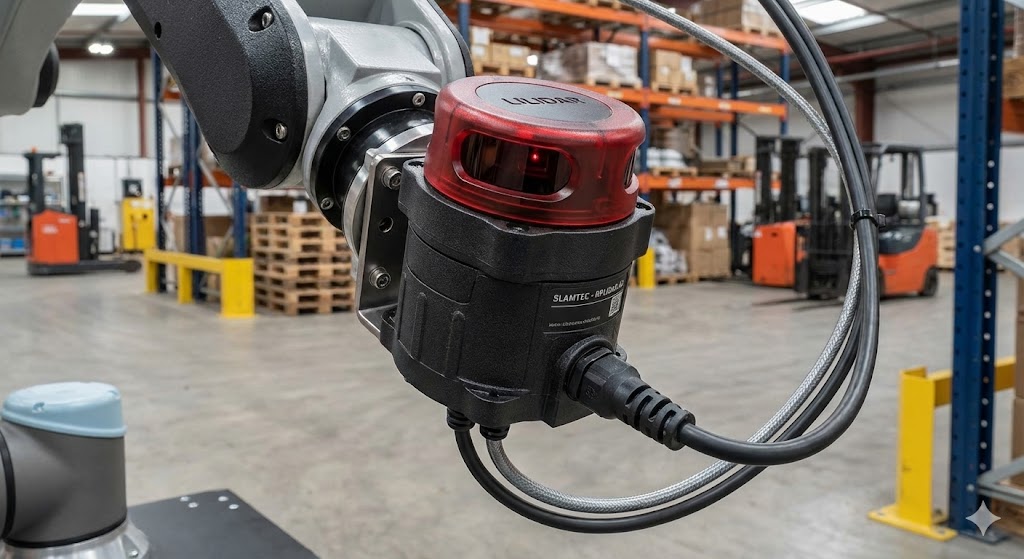
In conclusion, laser-based methane sensors represent a technological leap forward for industrial gas detection. Their precision, selectivity, durability, and advanced functionality make them an indispensable tool for protecting personnel, assets, and the environment. As industries worldwide intensify their focus on safety and emission control, the adoption of TDLAS and similar laser absorption technologies is set to become the standard for reliable and effective methane monitoring.
