The landscape of industrial measurement and precision has been fundamentally reshaped by the evolution of laser rangefinder sensors. As a cornerstone of modern automation, robotics, and surveying, these devices demand unparalleled accuracy, reliability, and adaptability. Leading laser rangefinder sensor manufacturers are not merely component suppliers; they are pivotal partners in technological advancement, driving innovation across diverse sectors from construction and logistics to autonomous vehicles and smart agriculture.
At the core of a superior laser rangefinder sensor lies advanced time-of-flight (ToF) or phase-shift measurement technology. Top-tier manufacturers invest heavily in R&D to refine these core principles, achieving millimeter-level precision over distances ranging from a few centimeters to several hundred meters. This involves sophisticated signal processing algorithms that can filter out ambient noise, compensate for varying environmental conditions like changing light or atmospheric interference, and deliver consistent, repeatable results. The miniaturization of these complex systems, without sacrificing performance, represents a significant engineering triumph, enabling integration into compact handheld devices, UAVs, and mobile robotic platforms.
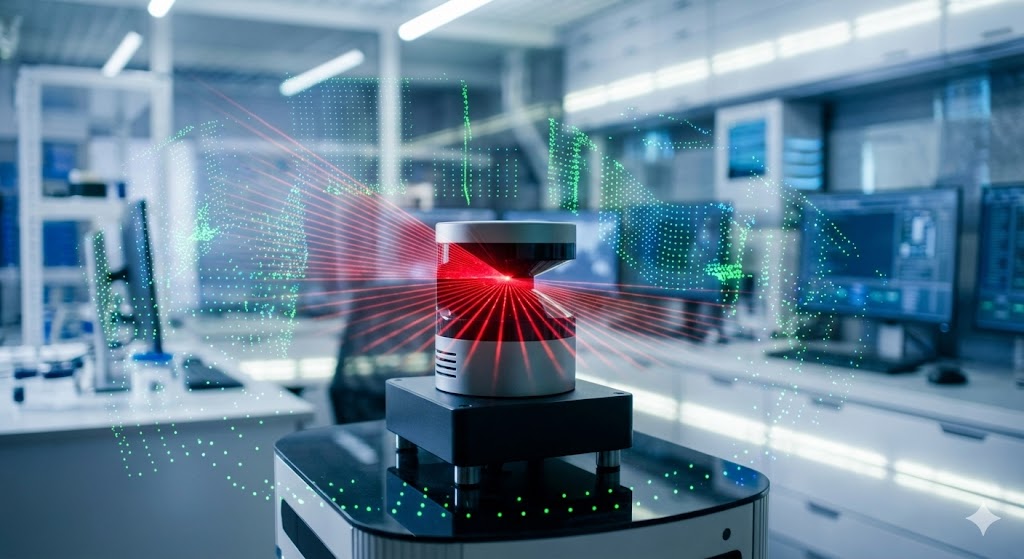
Durability and robustness are non-negotiable in industrial and outdoor applications. Reputable manufacturers design their sensors to withstand harsh realities: extreme temperatures, high humidity, dust, vibration, and mechanical shock. This is achieved through rigorous component selection, hermetic sealing, and robust housing materials. Each unit undergoes stringent quality control and calibration procedures, ensuring it performs to specification from the factory floor to a construction site or an agricultural field. This commitment to quality translates directly into reduced downtime and lower total cost of ownership for end-users.
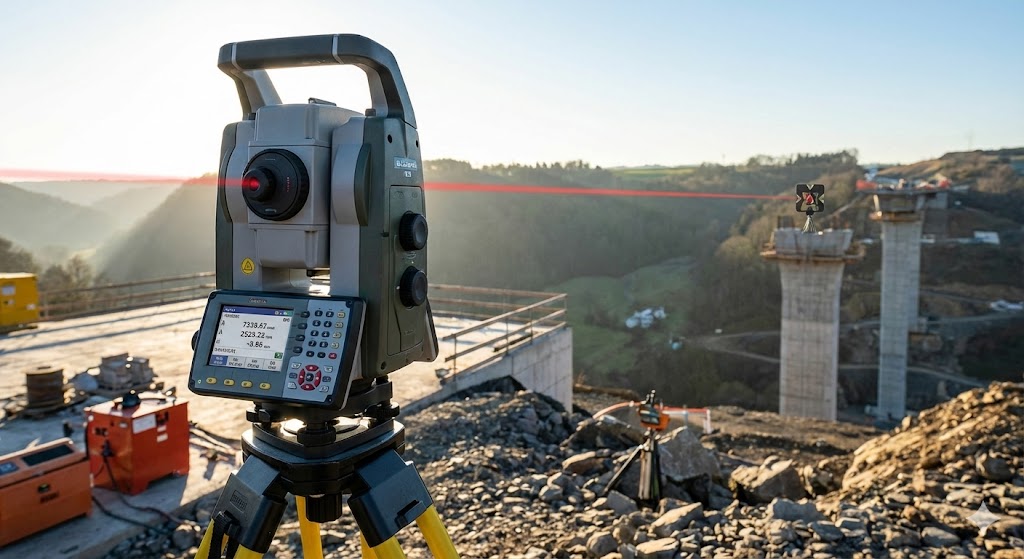
Beyond the hardware, the differentiation offered by premier manufacturers often resides in software and system integration capabilities. Modern laser rangefinder sensors are intelligent data nodes. They come equipped with digital interfaces like USB, Ethernet, RS232, or CAN bus, allowing for seamless communication with PLCs, industrial computers, and data acquisition systems. Software development kits (SDKs) and application programming interfaces (APIs) empower engineers to customize functionality, implement complex measurement routines, and integrate sensor data into larger IoT ecosystems. This flexibility is crucial for developing tailored solutions for unique challenges, such as warehouse inventory management, crane positioning, or forestry resource mapping.
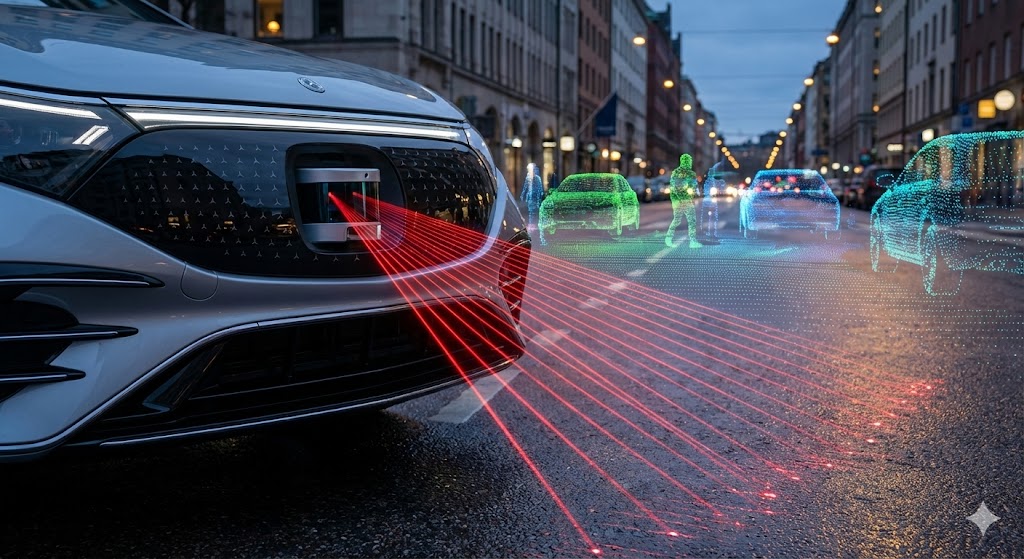
The application spectrum for these precision instruments is vast and growing. In construction, they enable automated machine guidance (AMG) for graders and excavators, enhancing efficiency and safety. In logistics, they are integral to automated guided vehicles (AGVs) for navigation and pallet detection. The automotive industry relies on them for advanced driver-assistance systems (ADAS) and the development of autonomous vehicle perception stacks. Furthermore, emerging fields like augmented reality (AR) and precision agriculture utilize laser rangefinder data to overlay digital information onto the physical world or to map terrain and crop health with exacting detail.
Choosing the right manufacturing partner is therefore a strategic decision. It requires evaluating not just datasheet specifications, but also the manufacturer's expertise, support infrastructure, and ability to collaborate on custom solutions. The leading entities in this space demonstrate a proven track record, global technical support, and a forward-looking roadmap that aligns with industry trends like Industry 4.0 and edge computing.
In conclusion, the role of the laser rangefinder sensor manufacturer is critical in an increasingly data-driven and automated world. Through continuous innovation in optoelectronics, signal processing, and rugged design, these companies provide the essential "eyes" for machines, translating physical distance into actionable digital intelligence. Their products form the invisible backbone of progress, enabling safer, more efficient, and more precise operations across the global industrial landscape, pushing the boundaries of what is measurable and achievable.