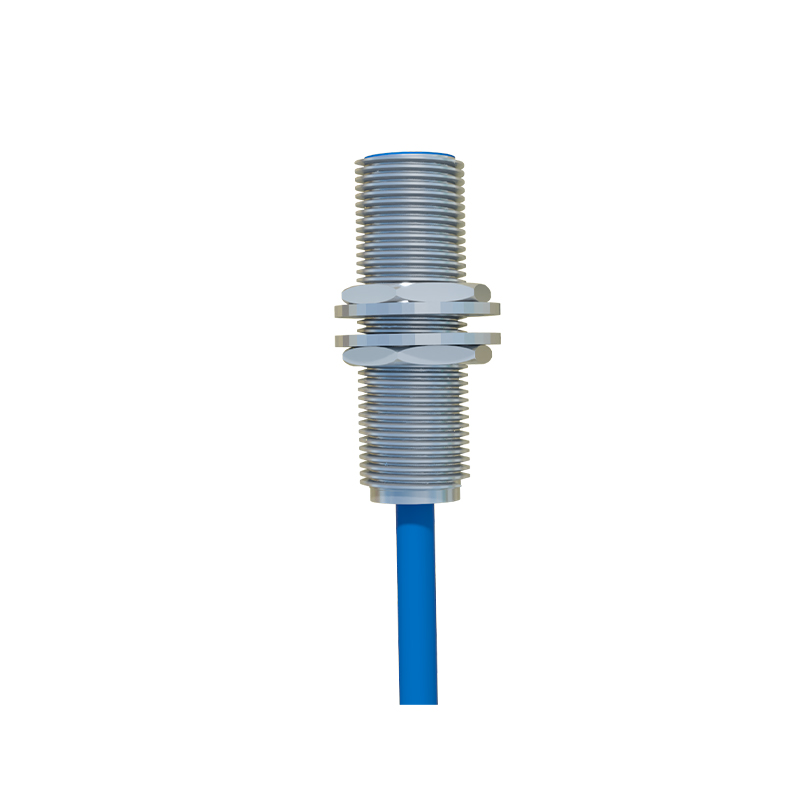
In the realm of electrical engineering, proximity and light sensors have become indispensable components, driving innovation across industries from automotive to consumer electronics. These sensors, often integrated into compact modules, enable devices to detect the presence of objects or measure ambient light without physical contact, enhancing both functionality and user experience.
Proximity sensors typically operate using infrared (IR) technology, emitting an IR beam and measuring its reflection to determine an object's distance. Common types include inductive, capacitive, and photoelectric sensors, each suited for specific applications. For instance, inductive sensors excel in detecting metallic objects in industrial automation, while capacitive variants handle non-metallic materials like plastics or liquids. In smartphones, proximity sensors prevent accidental screen touches during calls by sensing when the device is near the user's ear.
Light sensors, such as ambient light sensors (ALS) and photodiodes, measure illumination levels to adjust display brightness or control lighting systems. Advanced versions incorporate spectral sensing to distinguish between natural and artificial light, optimizing energy efficiency in smart buildings. The integration of these sensors with microcontrollers and IoT platforms allows for real-time data processing, enabling adaptive systems that respond dynamically to environmental changes.
From a technical perspective, key parameters include sensing range, response time, and power consumption. Engineers must consider factors like interference from external light sources or electromagnetic noise, which can affect accuracy. Innovations like time-of-flight (ToF) sensors are pushing boundaries, offering high-resolution distance measurements for applications in robotics and augmented reality.
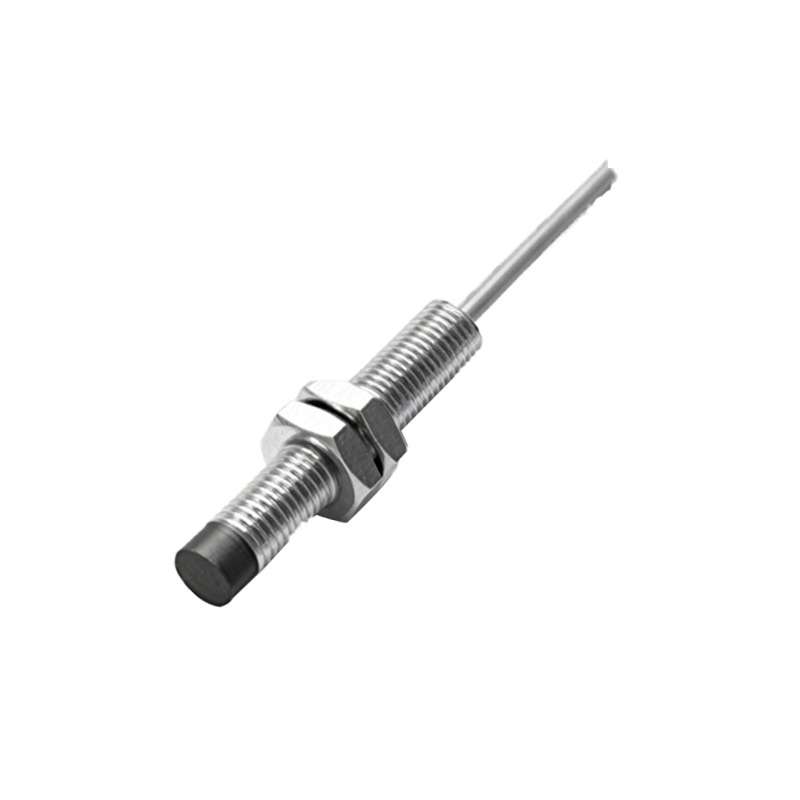
In summary, proximity and light sensors represent a fusion of precision engineering and practical utility, forming the backbone of modern automated and intelligent systems. Their continued evolution promises further advancements in safety, efficiency, and interactivity across electrical domains.