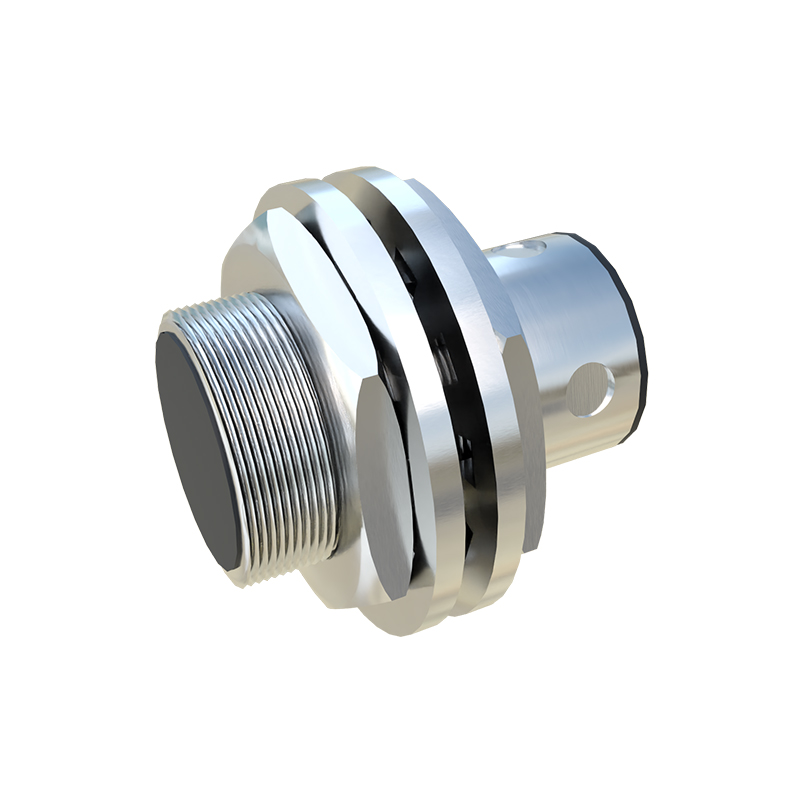
Embedded proximity switch sensors represent a critical advancement in industrial sensing technology, designed for seamless integration into machinery and automated systems. Unlike traditional externally mounted sensors, these units are installed within the structure of equipment, offering a compact, protected solution for detection and control tasks. Their primary function is to detect the presence or absence of an object without physical contact, utilizing various sensing principles such as inductive, capacitive, or magnetic fields.
Inductive embedded proximity sensors are most common in metal detection applications. They generate an electromagnetic field and react to changes caused by metallic targets entering this field. This makes them ideal for positioning control in CNC machines, robotic arms, or conveyor systems where metal parts are handled. Their embedded design allows them to be flush-mounted, minimizing protrusions and reducing the risk of damage in harsh environments. Capacitive versions, on the other hand, can detect both metallic and non-metallic materials, including liquids and plastics, by sensing changes in capacitance. These are often used in level sensing, material handling, and packaging industries.
The integration of embedded proximity switches enhances system reliability and safety. By being housed within equipment enclosures, they are shielded from external contaminants like dust, oil, coolant, and mechanical impacts. This leads to increased durability and reduced maintenance needs, even in demanding settings such as manufacturing plants, automotive assembly lines, or food processing facilities. Many models feature robust housings rated for IP67 or higher, ensuring resistance to moisture and particulate ingress.
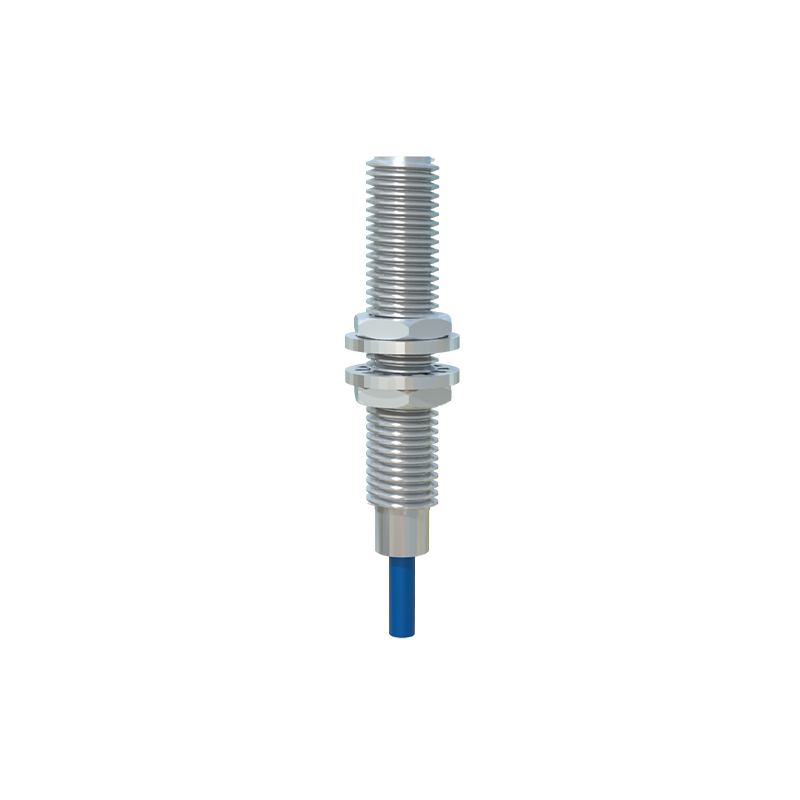
When selecting an embedded proximity sensor, engineers must consider key parameters: sensing range, which is typically shorter than non-embedded types due to the flush mounting; output type, including PNP, NPN, analog, or IO-Link for digital communication; and supply voltage compatibility with control systems. Additionally, factors like temperature tolerance, response time, and housing material (often stainless steel or nickel-plated brass) are crucial for optimal performance.
Installation requires precision to ensure accurate detection. The sensor must be properly aligned with the target, and surrounding metals should be accounted for to prevent interference. Modern embedded sensors often incorporate LED indicators for diagnostics, simplifying setup and troubleshooting. Their wiring is typically connected to programmable logic controllers (PLCs) or other automation controllers, enabling real-time feedback for process control.
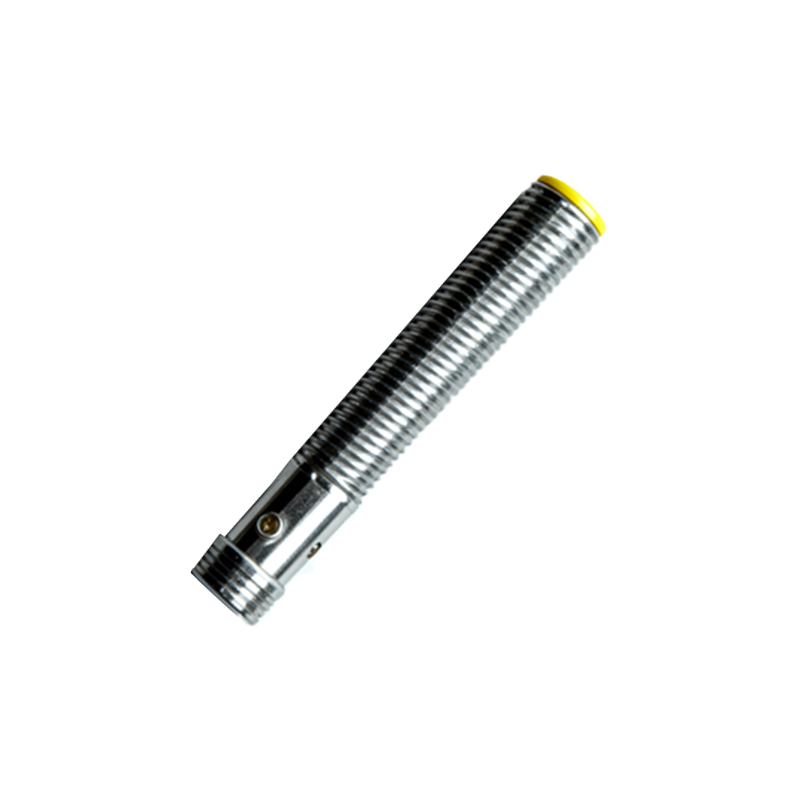
Advancements in embedded proximity switch technology include miniaturization, allowing installation in tight spaces, and smart features like self-monitoring and predictive maintenance capabilities. With the rise of Industry 4.0, these sensors increasingly support industrial networks, contributing to data-driven automation. They play a vital role in enhancing efficiency, reducing downtime, and improving safety across various sectors.
In summary, embedded proximity switch sensors are indispensable components in modern industrial automation. Their design prioritizes integration, resilience, and precision, making them suitable for diverse applications from heavy machinery to delicate assembly processes. As automation evolves, these sensors will continue to adapt, offering greater intelligence and connectivity for smarter manufacturing ecosystems.