In industrial settings where flammable gases, vapors, or combustible dusts are present, accurate and safe level measurement is not just an operational requirement—it is a critical safety imperative. Traditional level measurement devices can pose significant ignition risks in such hazardous areas. This is where the explosion-proof radar level gauge becomes an indispensable solution. Unlike conventional equipment, these specialized gauges are engineered to contain any potential explosion within the device itself, preventing it from igniting the surrounding atmosphere.
The core technology behind explosion-proof radar level measurement is Frequency Modulated Continuous Wave (FMCW) radar. The device emits high-frequency electromagnetic waves from its antenna towards the material surface. These waves are reflected back and received by the same antenna. By analyzing the frequency difference between the transmitted and received signal—a shift that is directly proportional to the distance traveled—the gauge calculates the precise level with remarkable accuracy. This non-contact method is a key advantage, as it eliminates mechanical wear and is unaffected by process conditions like varying temperature, pressure, or density.
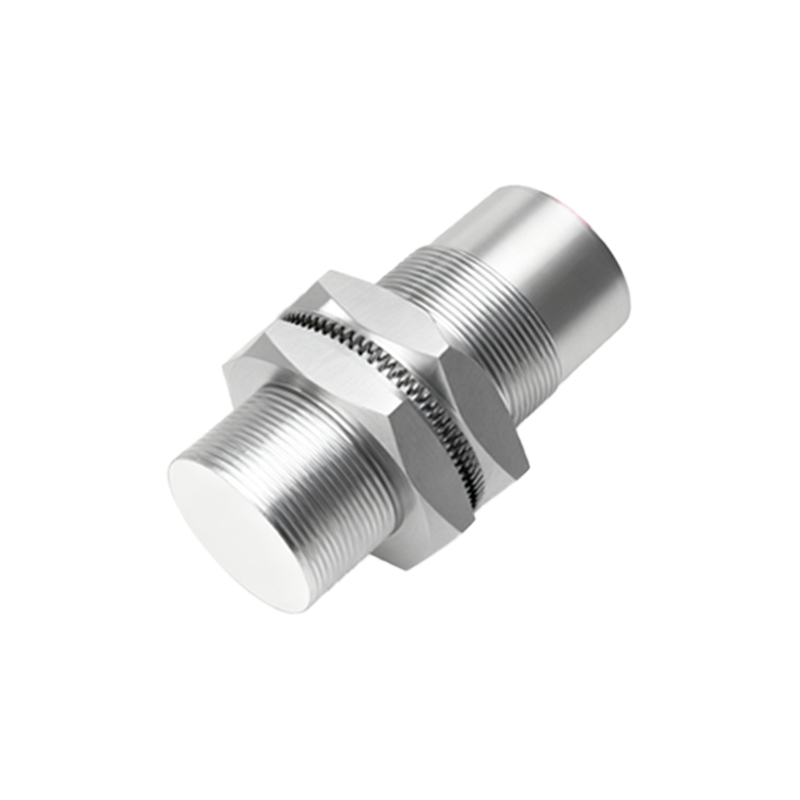
What truly defines an explosion-proof radar gauge is its robust housing and intrinsic safety design. These devices are constructed according to stringent international standards, such as ATEX in Europe, IECEx internationally, or NEC in North America. They are typically certified for specific zones (like Zone 1 or Zone 21 for gases and dusts) and gas groups. The enclosure is designed to withstand immense internal pressure from an explosion, with flame paths and joints cool enough to prevent the transmission of flames to the external environment. The electrical circuits are also designed to limit energy to levels below what is required to ignite a specific hazardous atmosphere.
The applications for these robust instruments are vast and span across critical industries. In the oil and gas sector, they are used for measuring levels in separation vessels, storage tanks for crude oil, and LNG terminals. Chemical and pharmaceutical plants rely on them for monitoring reactants, solvents, and finished products in mixers and reactors. In grain silos, sugar plants, or coal handling facilities, where combustible dust clouds can form, explosion-proof radar gauges provide a safe and reliable measurement solution, often outperforming older technologies like guided wave radar or capacitance probes in challenging conditions involving foam, turbulence, or low dielectric constants.
Selecting the right explosion-proof radar level gauge requires careful consideration of several factors. First, the specific hazardous area classification (Zone, Division, Gas Group, Temperature Class) must be matched precisely. The process connection, antenna type (e.g., horn, parabolic, or rod), and material of construction (often stainless steel 316L or coated alloys) must be compatible with the vessel and the medium. For tanks with internal obstructions, agitators, or heavy condensation, devices with advanced echo-processing software and higher frequency ranges (like 80 GHz) offer better signal focus and reliability. Furthermore, modern gauges come with advanced diagnostics, digital communication protocols like HART, Profibus PA, or Foundation Fieldbus, and intuitive configuration tools, simplifying integration into plant control and safety systems.
Maintenance of these devices, while minimal due to their non-contact nature, is crucial for long-term safety and performance. Regular inspections should verify the integrity of the explosion-proof enclosure, cable glands, and seals. The antenna should be kept clean from buildup, and the electronics should be checked per the manufacturer's schedule. It is vital that any service or calibration is performed by qualified personnel with the power disconnected and in a safe area, as tampering with the certified assembly can void its explosion-proof rating.
In conclusion, the explosion-proof radar level gauge represents a sophisticated fusion of measurement accuracy and inherent safety engineering. It empowers industries to operate with confidence in hazardous environments, ensuring precise process control while fundamentally mitigating the risk of catastrophic ignition. As industrial processes become more complex and safety regulations more stringent, the role of this reliable technology continues to grow, making it a cornerstone of modern industrial automation and risk management strategies.