In the seamless dance of our daily interactions with technology, a silent and often overlooked class of devices works tirelessly to enable convenience, safety, and efficiency. These are proximity sensors, the invisible guardians that detect the presence or absence of nearby objects without any physical contact. Their applications span from the smartphone in your pocket to the massive automated systems in industrial plants, making them a cornerstone of modern automation and user interface design.
At its core, a proximity sensor emits an electromagnetic field or a beam of radiation, such as infrared light, and looks for changes in the field or return signal. The object being detected is often referred to as the sensor's target. Different sensor technologies are employed based on the required detection range, target material, environmental conditions, and cost considerations. The most common types include inductive, capacitive, ultrasonic, and optical (infrared) sensors.
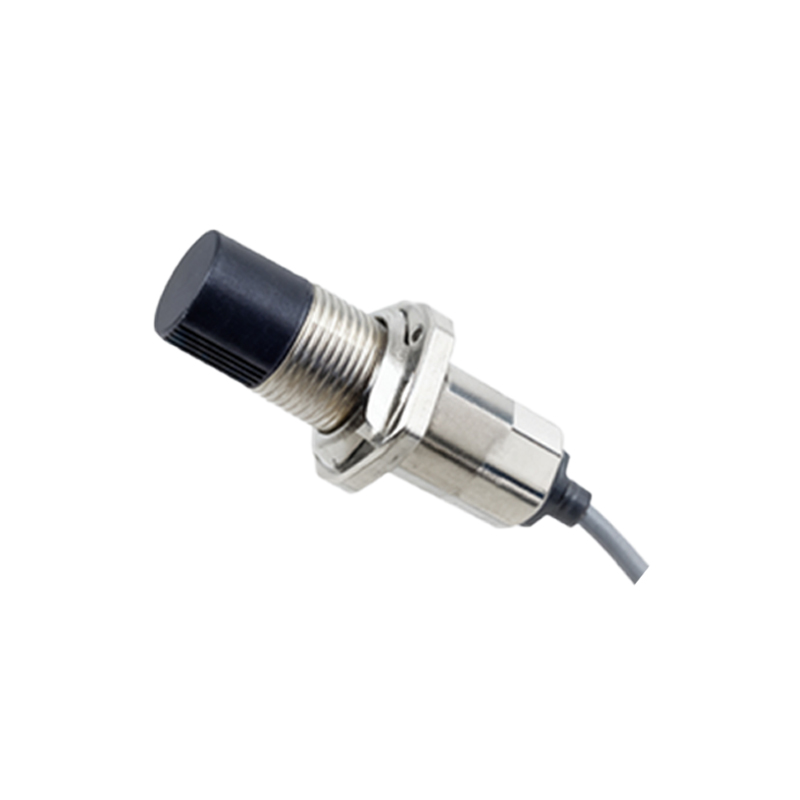
Inductive proximity sensors are workhorses in industrial settings. They generate an oscillating electromagnetic field and detect the eddy current losses caused when a metallic target enters this field. This makes them ideal for detecting metals, such as on assembly lines for counting products or ensuring machine parts are in correct position. They are robust, resistant to dirt and dust, and offer high switching rates.
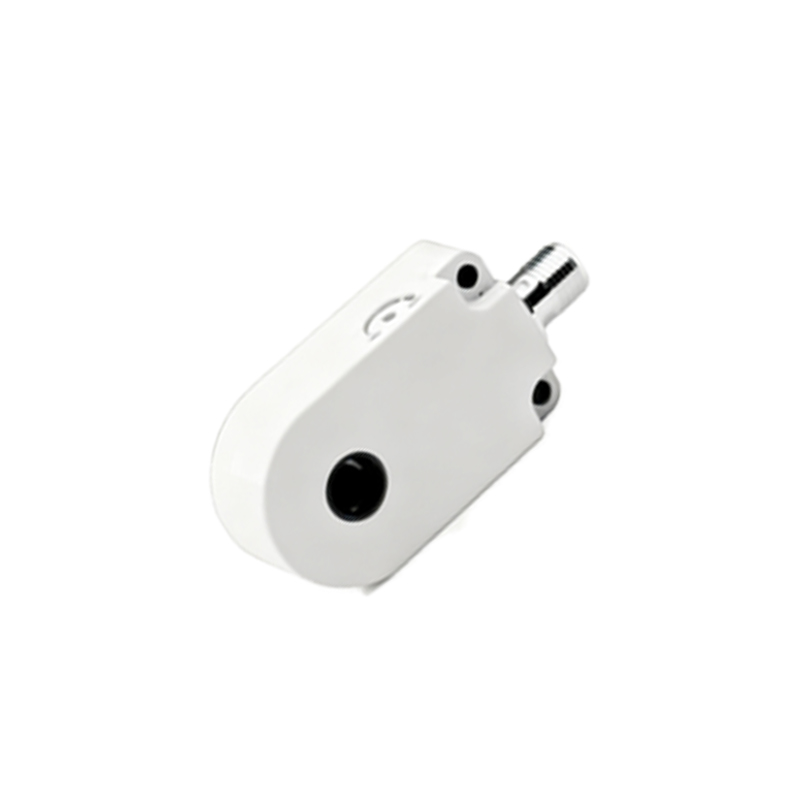
For non-metallic targets, capacitive proximity sensors step in. These sensors can detect virtually any material—liquids, plastics, wood, or granules—by measuring changes in capacitance. When a target object approaches the sensor's face, it alters the dielectric constant of the space between the sensor's electrodes, triggering detection. This capability is exploited in level detection for tanks, touch-sensitive buttons, and material handling systems.
Ultrasonic sensors use sound waves beyond the range of human hearing. They calculate distance by measuring the time between emitting a sound pulse and receiving its echo. This technology is excellent for longer-range detection, object profiling, and applications where the target's color or transparency might fool optical sensors. You'll find them in automotive parking assist systems, robotics for obstacle avoidance, and tank level monitoring.
Perhaps the most familiar type to consumers is the infrared (IR) proximity sensor. A common implementation involves an IR LED that emits light and a photodiode that measures the intensity of the reflected light. This simple yet effective principle is what allows your smartphone screen to turn off when held to your ear during a call, saving battery life. It's also used in automatic faucets, hand dryers, and gesture recognition systems.
The integration of proximity sensors has fundamentally transformed user experience design. The "lift-to-wake" feature on phones, the automatic dimming of a laptop screen when you lean too close, and the touchless flush of a toilet are all enabled by these tiny components. They create intuitive, hygienic, and energy-efficient interactions that users now take for granted.
In industrial automation, the role of proximity sensors is even more critical. They provide essential feedback for Programmable Logic Controllers (PLCs), ensuring precision and safety. They monitor positions, count objects, control sequencing, and prevent collisions in automated guided vehicles (AGVs). Their reliability and speed are vital for maintaining high throughput and preventing costly downtime or accidents.
The automotive industry is another major beneficiary. Beyond parking sensors, proximity detection is integral to advanced driver-assistance systems (ADAS). Sensors monitor blind spots, enable adaptive cruise control by maintaining a safe distance from the car ahead, and provide critical data for emerging autonomous driving functions, creating a safer driving environment.
Looking forward, the evolution of proximity sensing is intertwined with the Internet of Things (IoT) and smart environments. Sensors are becoming smaller, more power-efficient, and smarter, with embedded processing capabilities. Future developments may see more sophisticated sensor fusion, combining proximity data with other inputs like cameras or radar for richer contextual awareness. This will enable smarter homes that adjust lighting and climate based on occupant presence, and more responsive industrial robots that can work safely alongside humans.
Despite their simplicity in concept, the design and selection of a proximity sensor require careful consideration. Factors such as sensing distance, repeatability, response time, environmental robustness (against temperature, moisture, or chemicals), and output type (digital or analog) must be matched to the application's specific demands.
In conclusion, proximity sensors are a foundational technology that bridges the physical and digital worlds. They operate unseen, yet their impact is profoundly visible in the enhanced functionality, safety, and intelligence of the devices and systems that define our contemporary world. As technology continues to advance towards greater autonomy and interactivity, these silent sentinels will undoubtedly remain at the forefront, sensing our approach and enabling the next wave of innovation.