Proximity sensors are indispensable components in modern automation, robotics, and smart systems, detecting the presence or absence of objects without physical contact. Their pricing is not a single figure but a spectrum influenced by a complex interplay of technical specifications, application demands, and market dynamics. Understanding these factors is crucial for making cost-effective procurement decisions.
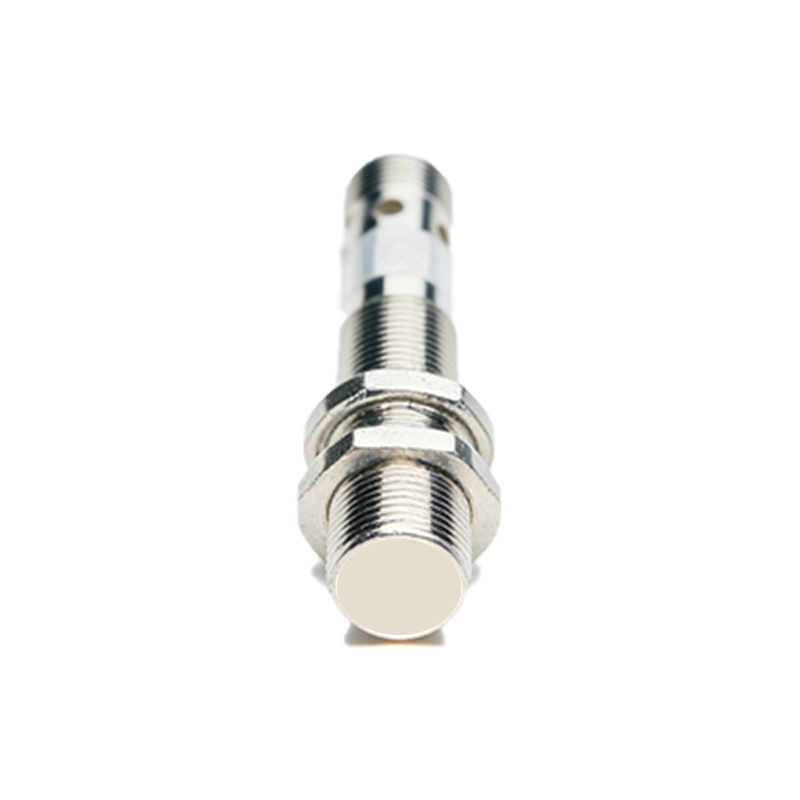
The core technology fundamentally dictates the price baseline. Inductive sensors, detecting metallic objects, are generally the most economical, with basic models starting as low as $15 to $30. Capacitive sensors, which can detect both metallic and non-metallic materials like liquids or plastics, command a higher price, typically ranging from $30 to $80. For longer-range detection or precise positioning, ultrasonic and photoelectric sensors (including infrared) are employed. These are more sophisticated, with prices commonly falling between $50 and $150, and high-precision, long-range variants can exceed $200. The most advanced category, including LiDAR or high-resolution vision sensors for complex object differentiation, can range from several hundred to thousands of dollars.
Beyond the core technology, several key specifications cause price variance. Sensing range is a primary driver; a sensor with a 2mm range is far cheaper than one with a 20m range. The housing material also matters: rugged, IP67-rated stainless steel housings for harsh industrial environments cost significantly more than standard plastic or nickel-plated brass housings for benign settings. Output type plays a role too. Simple digital (PNP/NPN) outputs are standard. Analog outputs (4-20mA, 0-10V) for proportional distance measurement, or IO-Link digital communication for advanced diagnostics and parameter setting, add to the cost. Additionally, factors like switching frequency, repeat accuracy, and embedded features (e.g., temperature compensation, teach-in functionality) incrementally increase the price.
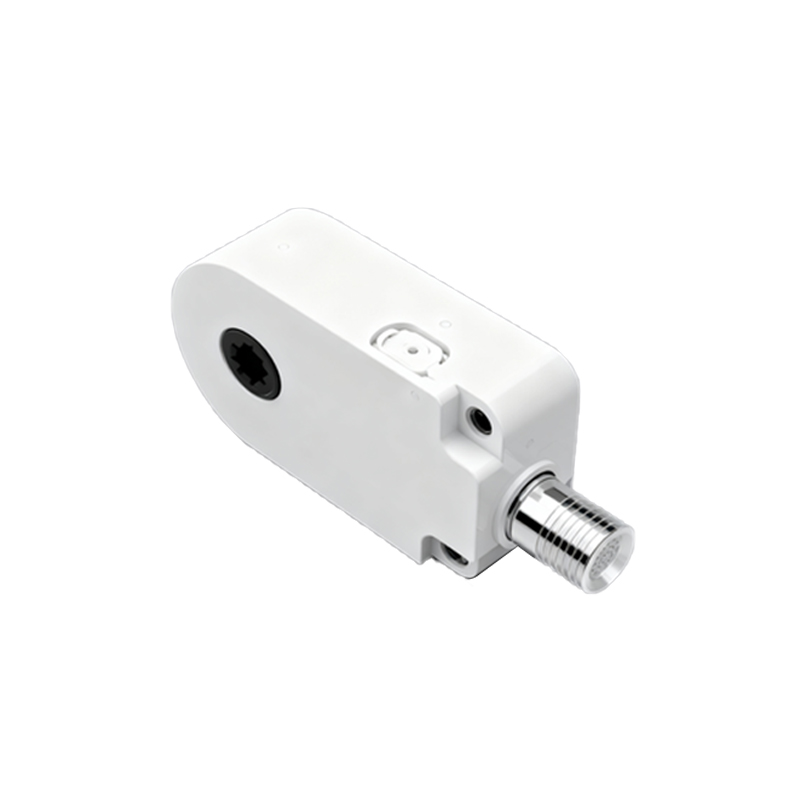
The source of procurement is equally critical. Purchasing directly from major OEMs (e.g., Omron, Sick, Pepperl+Fuchs, Balluff) ensures quality, full warranty, and application support but at a premium. Their list prices are often the highest. Authorized distributors may offer slight discounts, especially on volume orders. The most competitive prices are frequently found with reputable third-party manufacturers and suppliers on major B2B platforms like AliExpress, Amazon Business, or Thomasnet. However, this requires diligent vendor verification to avoid counterfeit or substandard products. Lead times can also affect effective cost; a cheaper sensor with a 12-week lead time may halt production, while a readily available, slightly more expensive unit keeps operations running.
For smart procurement, a clear technical and commercial strategy is essential. First, meticulously define the application requirements: target material, required sensing distance, environmental conditions (temperature, dust, moisture), needed accuracy, and output signal. Avoid over-specifying, as paying for unneeded high performance wastes budget. Second, standardize sensor models across similar applications within your facility to leverage volume discounts and simplify maintenance. Third, obtain quotes from multiple channels—OEMs, distributors, and verified third-party suppliers—for a true market comparison. Always factor in the total cost of ownership, which includes not just the unit price, but also installation, calibration, maintenance, and potential downtime costs. Building a relationship with a reliable supplier can offer better long-term value than simply chasing the lowest initial quote.
In conclusion, proximity sensor pricing is a multi-variable equation. While basic inductive sensors can be surprisingly affordable, advanced sensing solutions represent a considerable investment. By thoroughly analyzing technical needs, exploring diverse supply channels, and adopting a total-cost perspective, engineers and procurement specialists can secure optimal value, ensuring both system performance and budgetary efficiency.