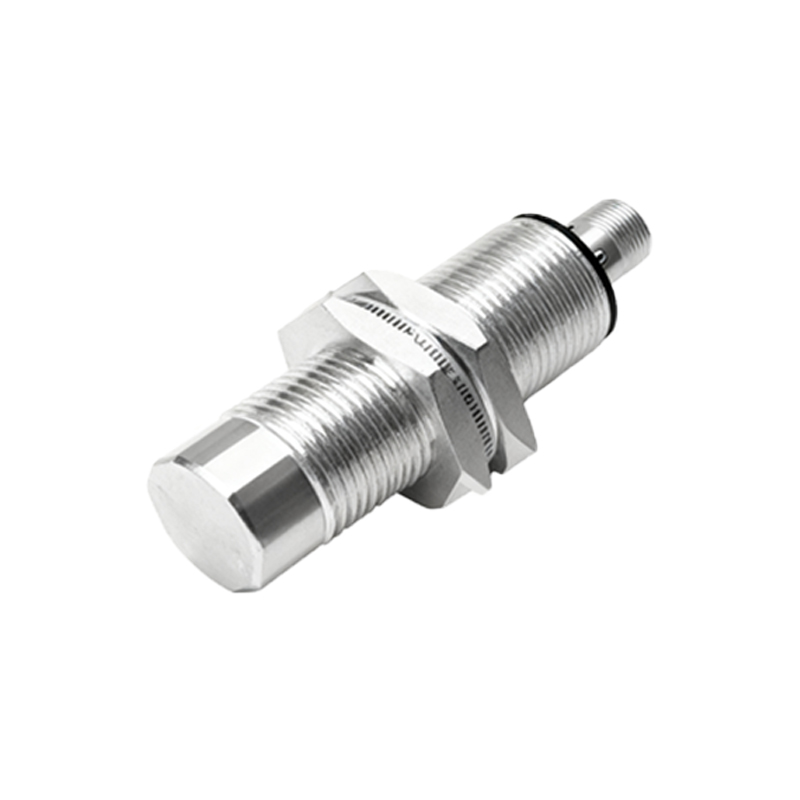
In the intricate world of industrial automation, where precision and reliability are non-negotiable, proximity switch sensor cables form the critical, yet often overlooked, nervous system. These are not mere wires; they are specialized components engineered to ensure the flawless transmission of signals from inductive, capacitive, or photoelectric sensors to control systems like PLCs. Their performance directly impacts the efficiency, safety, and uptime of machinery in sectors ranging from automotive manufacturing and packaging to material handling and robotics.
A standard proximity switch sensor cable is a shielded, multi-conductor cable. Most commonly, it features two or three cores for power and signal transmission, encased in a robust outer jacket. The choice of jacket material—typically polyurethane (PUR), polyvinyl chloride (PVC), or thermoplastic elastomer (TPE)—is the first line of defense. PUR cables offer exceptional resistance to oils, coolants, and abrasion, making them ideal for harsh machine tool environments. PVC provides good general-purpose protection at a lower cost, while TPE balances flexibility with resistance to various environmental factors.
Beneath this jacket lies the most crucial element: the shielding. Industrial environments are electrically noisy, filled with electromagnetic interference (EMI) from motors, drives, and welding equipment. Unshielded cables act as antennas, picking up this noise and causing false triggers or signal loss in the sensor. A braided copper shield, often combined with an aluminum foil layer, creates a Faraday cage that effectively drains interference to ground, ensuring signal integrity. The quality and density of this shielding are paramount for reliable operation in demanding settings.
Connector compatibility is another vital consideration. Proximity sensors commonly use standardized quick-disconnect connectors, with M8 and M12 threaded connectors being the industry workhorses for sensors. M12 connectors, with their 4-pin or 5-pin configurations, are ubiquitous for DC sensors, while M8 connectors are often used in tighter spaces. The cable must be terminated with the correct, IP67-rated connector to maintain a sealed connection resistant to dust and water ingress, which is essential for washdown areas in food and beverage processing.
Installation practices significantly influence cable longevity. While these cables are designed for flexibility, exceeding the minimum bend radius can damage internal conductors and shielding. Continuous flexing applications, such as on cable carriers or robotic arms, demand cables specifically rated for high-flex cycles, with specially stranded conductors and advanced jacket materials. Proper strain relief at both the sensor and control cabinet connections prevents pull-out and wire breakage from constant vibration or accidental tugs.
Selecting the right cable involves a clear assessment of the application's demands. Key questions to ask include: What is the sensor type and output (PNP/NPN, analog, IO-Link)? What environmental hazards are present (oil, chemicals, UV exposure, temperature extremes)? What is the required flex life (stationary, occasional movement, or continuous torsion)? What is the required cable length, considering voltage drop over longer runs? Matching these factors to the cable's specifications—its jacket rating, shielding effectiveness, core gauge, and connector type—is essential. Using a standard control cable in place of a purpose-built sensor cable is a common and costly mistake, leading to intermittent faults and production stoppages.
In summary, the proximity switch sensor cable is a fundamental component in achieving robust industrial communication. Its role in protecting low-voltage sensor signals from physical and electrical harm is indispensable. By understanding the construction, focusing on proper shielding and connector choices, and adhering to sound installation principles, engineers and maintenance personnel can ensure these vital links perform reliably, safeguarding the precision and productivity of automated systems day in and day out.