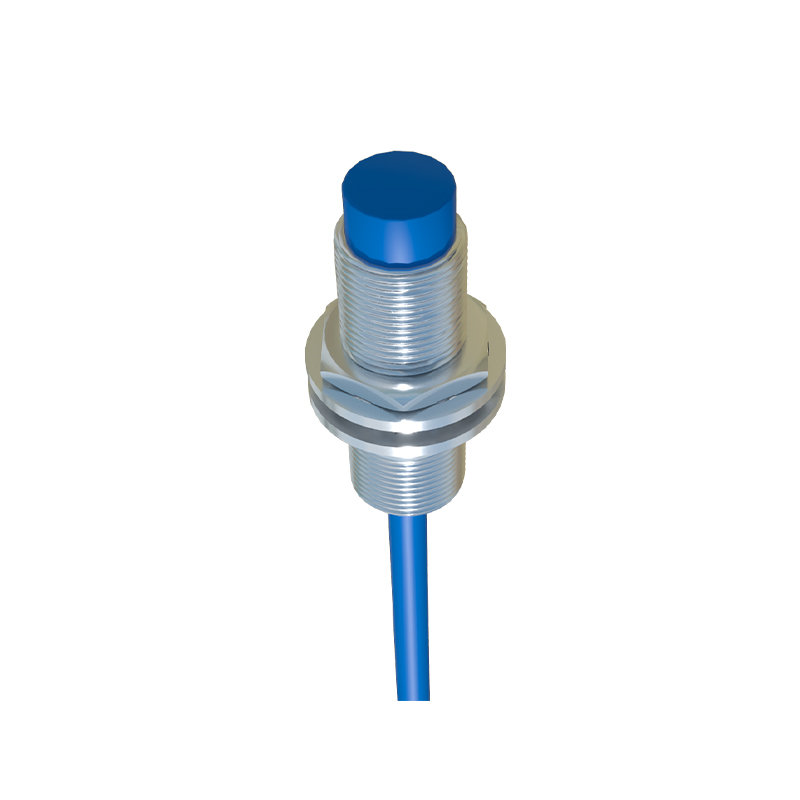
In the ever-evolving landscape of modern electronics, the demand for smarter, smaller, and more efficient components is relentless. Among these critical components, the proximity sensor mini stands out as a marvel of miniaturization and functionality. These tiny devices, often no larger than a grain of rice, are engineered to detect the presence or absence of nearby objects without any physical contact. Their operation is typically based on emitting an electromagnetic field or a beam of radiation, such as infrared light, and then looking for changes in the field or return signal. The primary advantage of their "mini" designation is their incredibly small footprint, allowing them to be seamlessly integrated into space-constrained applications where traditional sensors would be impractical.
The applications for miniaturized proximity sensors are vast and growing. One of the most common everyday uses is in smartphones and tablets. The small sensor located near the earpiece detects when the phone is held to your face during a call, automatically turning off the display to prevent accidental screen touches and conserve battery life. Similarly, in the realm of consumer electronics, they are found in laptops to put the device to sleep when the lid is closed, and in smartwatches to enable features like wake-on-gesture. Beyond personal devices, their role is pivotal in industrial automation. Mini proximity sensors are deployed on assembly lines to count objects, detect product positioning, and ensure robotic arms operate with precision, all within the tight confines of modern machinery.
The technology inside these compact units varies, with inductive, capacitive, and photoelectric types being the most prevalent. Inductive mini sensors are ideal for detecting metallic objects and are known for their robustness in harsh industrial environments. Capacitive mini sensors, on the other hand, can detect a wider range of materials, including liquids and plastics, making them suitable for level sensing or touch-sensitive interfaces. Photoelectric mini sensors use light beams and are excellent for long-range detection and sensing non-metallic objects. The choice of technology depends entirely on the specific requirements of the application, such as the target material, required sensing distance, environmental conditions, and response speed.
Designing with a proximity sensor mini presents unique considerations. Their small size is a benefit, but it also means careful attention must be paid to the surrounding PCB layout to avoid electromagnetic interference that could affect sensitivity. Power consumption is another critical factor, especially for battery-operated devices like wearables and IoT sensors. Modern mini sensors are designed with ultra-low power modes, waking up only when needed to perform a detection task. Furthermore, engineers must account for the sensing range, which, due to the miniaturization, might be shorter than that of a larger sensor. This necessitates precise mechanical design to position the sensor correctly relative to the target.
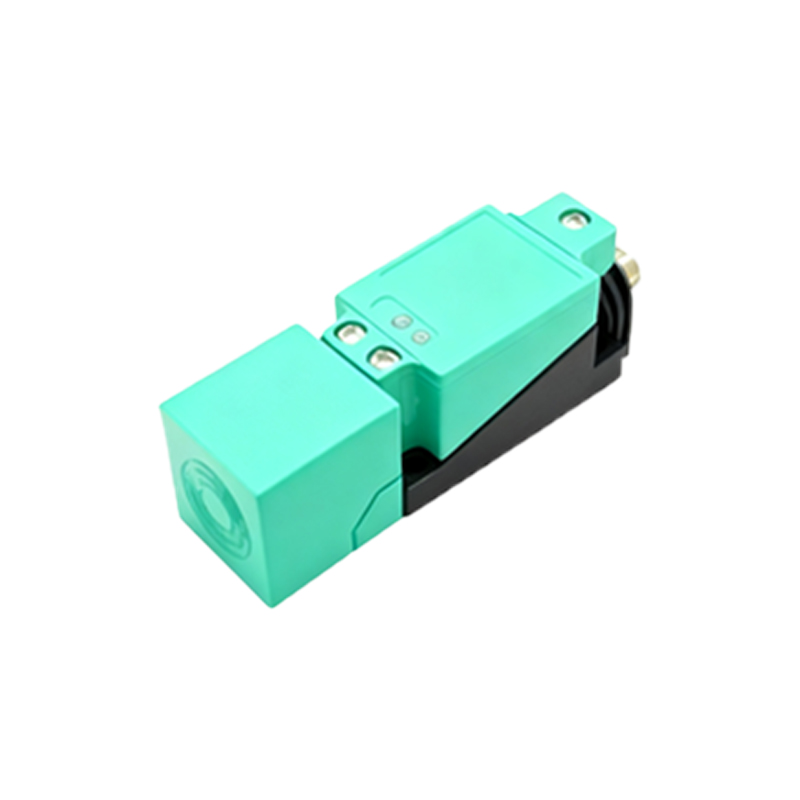
Looking ahead, the future of the proximity sensor mini is intertwined with trends like the Internet of Things (IoT) and wearable technology. As more everyday objects become connected and intelligent, the need for discrete, reliable, and low-power sensing will skyrocket. We can expect to see these sensors embedded in everything from medical devices for patient monitoring to smart home fixtures for intuitive control. Advancements in materials science and semiconductor fabrication will likely lead to even smaller sensors with enhanced capabilities, such as multi-function sensors that combine proximity, ambient light, and gesture sensing into a single package. This continuous innovation ensures that the humble proximity sensor mini will remain a fundamental building block in the silent, intelligent infrastructure of our digital world.