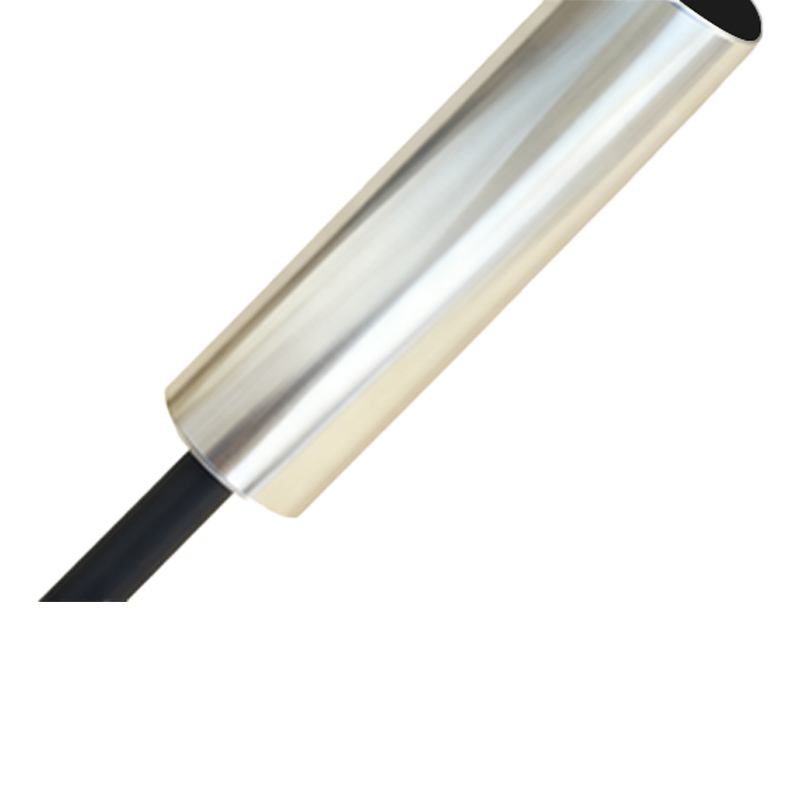
In the intricate dance of modern machinery and smart devices, there exists a silent, unseen sentinel: the micro proximity sensor. These diminutive components, often no larger than a grain of rice, are fundamental to the seamless, intuitive, and safe operation of countless systems we interact with daily. Their primary function is elegantly simple—to detect the presence or absence of an object within a specified range without any physical contact. Yet, the sophistication behind this simple task is what powers a quiet revolution in automation, user interface design, and safety engineering.
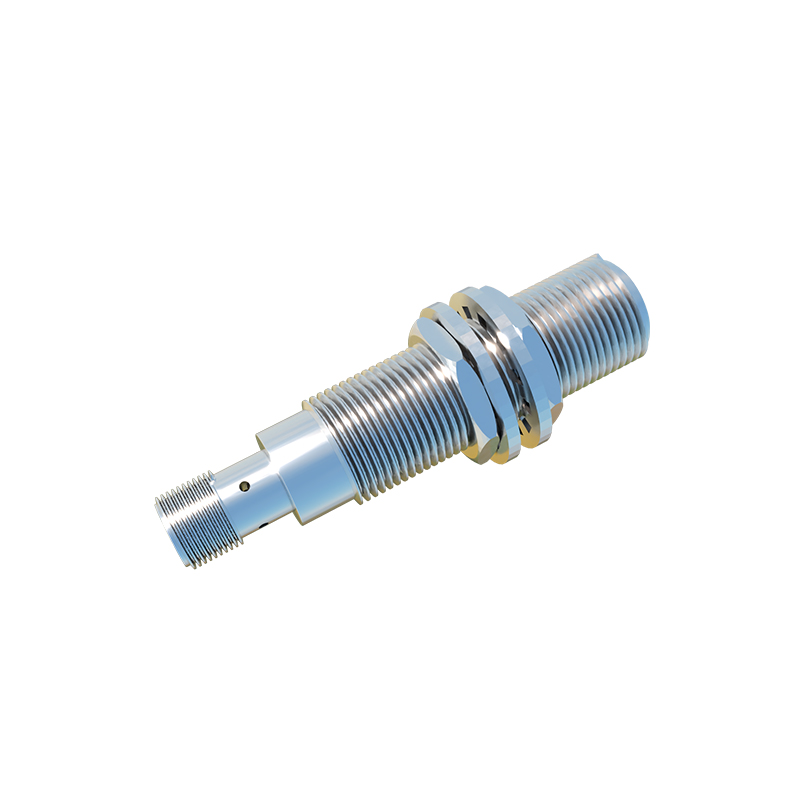
Operating on various principles, the most common types include inductive, capacitive, and optical sensors. Inductive sensors generate an electromagnetic field to detect metallic objects, making them stalwarts in industrial automation for tasks like counting metal parts on a conveyor belt or confirming the position of a robotic arm. Capacitive sensors, on the other hand, can detect both metallic and non-metallic materials—plastic, wood, liquid—by measuring changes in capacitance. This versatility finds application in liquid level detection or touch-sensitive interfaces. Optical micro proximity sensors, utilizing infrared or laser light, offer high precision for detecting minute objects or ensuring precise positioning.
The march of miniaturization has been the driving force behind their proliferation. As consumer electronics shrank, the demand for equally tiny, reliable sensing components soared. Today's micro proximity sensors are marvels of micro-electro-mechanical systems (MEMS) technology, integrating the sensor element, signal processor, and output switch into a single, robust package. This integration reduces footprint, power consumption, and cost while enhancing reliability—a trifecta of benefits critical for mass-market adoption.
Their applications are as diverse as they are impactful. In your smartphone, a micro proximity sensor sits near the earpiece. During a call, it detects the proximity of your face and automatically turns off the display to prevent accidental screen presses and save battery life. In modern automotive design, they are embedded in door handles for keyless entry systems, detecting the approach of a hand to unlock the vehicle. They are crucial for gesture control in infotainment systems, allowing drivers to adjust volume or accept calls with a wave.
Beyond consumer gadgets, their role in industrial and medical fields is profound. On automated assembly lines, they ensure components are correctly positioned before a robotic weld or placement, preventing costly errors and damage. In collaborative robotics (cobots), these sensors provide a vital layer of safety, instantly halting a robot's motion if a human worker comes too close. In healthcare, they enable touchless operation of surgical equipment or sanitary dispensers, reducing contamination risks—a feature whose value was magnified during global health crises.
The evolution continues toward smarter, more connected sensors. The integration of micro proximity sensors with the Internet of Things (IoT) is creating intelligent environments. In smart homes, they can trigger lighting or climate control when someone enters a room, contributing to energy efficiency. In retail, they can monitor inventory levels on shelves or analyze customer interaction with products.
However, deploying these microscopic guardians is not without challenges. Engineers must carefully select the sensor type based on the target material, required sensing distance, environmental conditions (like dust, moisture, or temperature extremes), and response speed. False triggers from environmental interference must be minimized through clever design and shielding.
Looking ahead, the future of micro proximity sensing is intertwined with advancements in material science and artificial intelligence. New materials may enable sensors that are more sensitive, durable, or capable of operating in extreme environments. AI algorithms can process sensor data to not only detect presence but also classify objects or predict movements, opening doors to even more context-aware and anticipatory systems.
In essence, micro proximity sensors are the unsung heroes of the automated world. They perform a critical, albeit invisible, function that bridges the physical and digital realms. By providing machines with a fundamental sense of "touch" at a distance, they enable smoother interactions, enhance safety protocols, and drive efficiency across every sector of industry and daily life. As technology continues to evolve toward greater autonomy and interactivity, these tiny components will undoubtedly remain at the forefront, silently ensuring our machines are aware, responsive, and safe.