In the demanding world of industrial automation, proximity sensors are indispensable components, detecting the presence or absence of objects without physical contact. However, standard sensors often fail in extreme cold environments, such as in cold storage facilities, outdoor winter operations, cryogenic processing, and polar research stations. This is where specialized low temperature proximity sensors come into play. These robust devices are engineered to maintain precise and reliable performance in sub-zero conditions, often as low as -40°C or even -60°C, where conventional sensors would suffer from material embrittlement, condensation issues, or electronic component failure. Selecting the right brand is paramount for system integrity, operational safety, and long-term cost-effectiveness. This article explores leading brands renowned for their expertise and product excellence in this niche yet critical field.
A primary consideration for low temperature operation is the sensor's housing and sealing material. Premium brands utilize specialized compounds for seals and gaskets that remain flexible and effective at extreme low temperatures, preventing ingress of moisture which can freeze and cause damage. Internally, electronic components and soldering are selected and tested for thermal stress resistance. Furthermore, the sensing technology itself—whether inductive, capacitive, or photoelectric—must be calibrated for the environmental conditions. Inductive sensors, for instance, must account for changes in the electromagnetic properties of both the sensor and target metals at low temperatures.
Several brands have established a strong reputation through rigorous R&D and proven field performance. Turck is a global leader known for its rugged and versatile sensor solutions. Their portfolio includes proximity sensors specifically rated for continuous operation in temperatures down to -40°C. Turck sensors often feature high-grade stainless steel housings, PBT sensing faces, and exceptional sealing (typically IP67/IP69K), making them ideal for harsh environments in food & beverage cold chains or automotive manufacturing in unheated facilities.
Pepperl+Fuchs, another German powerhouse, is synonymous with innovation in industrial sensing. They offer a comprehensive range of inductive and capacitive proximity sensors designed for low-temperature applications. Their engineering focus often includes advanced diagnostics and IO-Link communication capabilities, even in cold settings, enabling predictive maintenance—a crucial advantage for minimizing downtime in critical refrigeration processes.
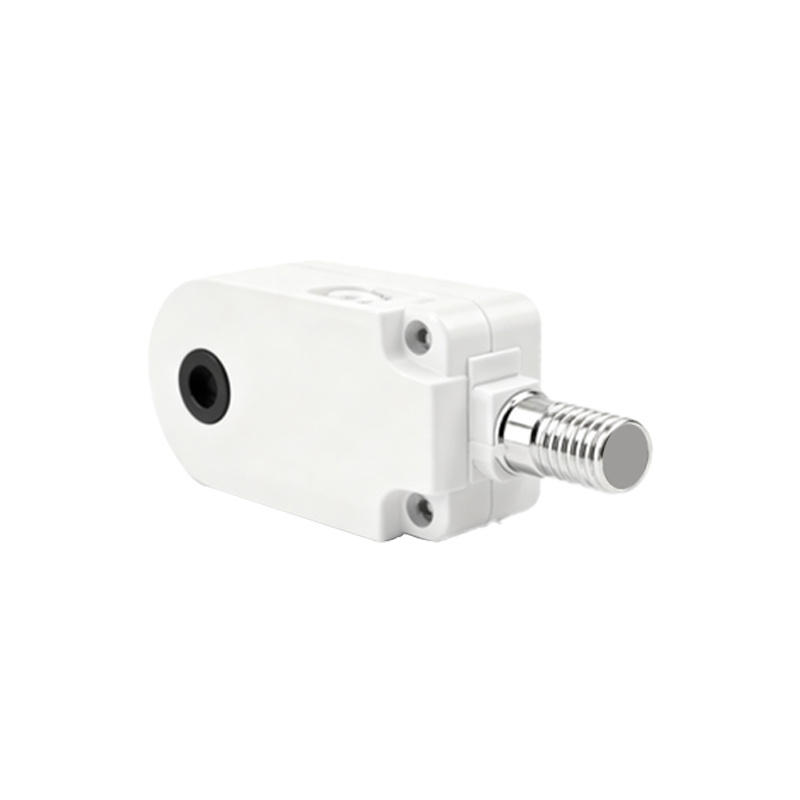
Sick AG provides highly reliable sensors for factory and logistics automation. Their photoelectric and inductive sensors are built to withstand challenging conditions, including sustained low temperatures. Sick's expertise in sensor intelligence ensures stable switching points and resistance to condensation and icing on the lens or housing, which is vital for automated storage and retrieval systems in freezer warehouses.
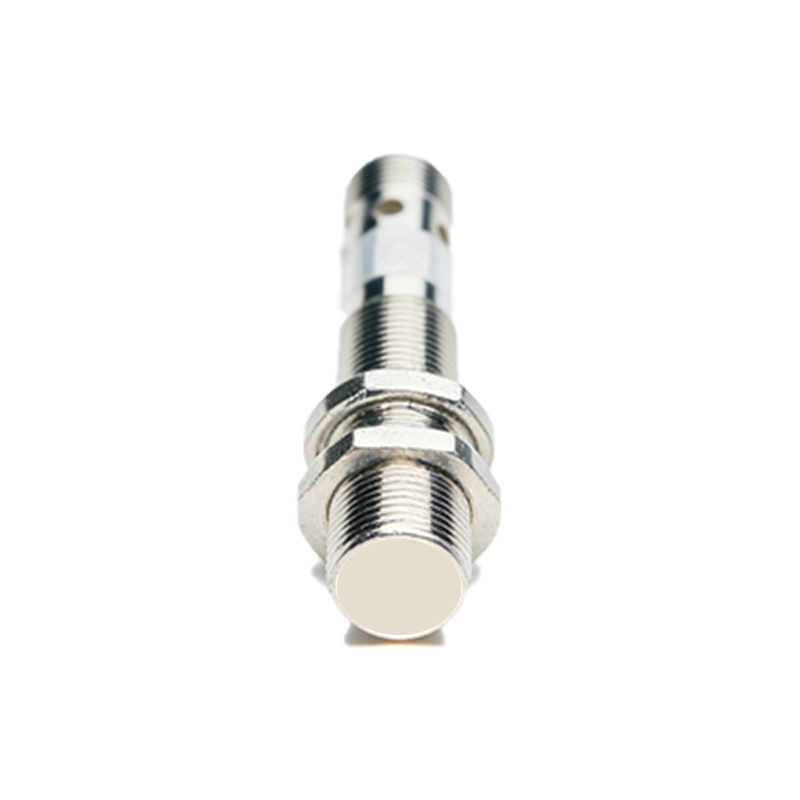
Balluff, with its strong focus on modularity and precision, offers sensors that perform consistently in cold environments. Their product lines include models with extended temperature ranges and robust designs that resist shock and vibration, common in cold outdoor material handling equipment. Balluff's global service network also provides significant support for maintenance in remote or demanding locations.
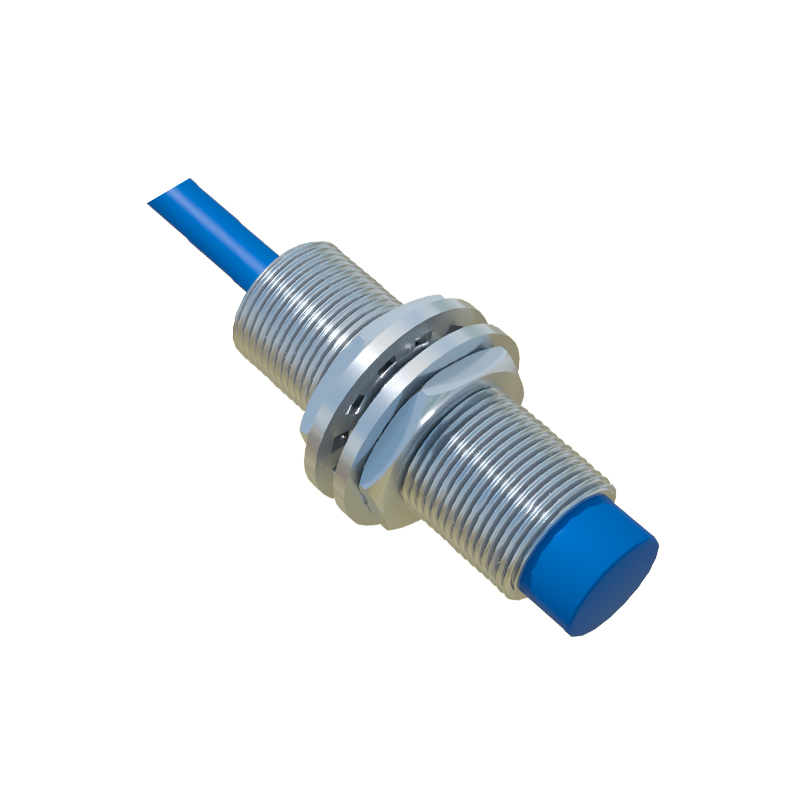
Omron, a key player in automation components, manufactures dependable proximity sensors with wide operating temperature ranges. Omron's emphasis on quality control ensures that each sensor delivers repeatable performance, a critical factor in high-speed packaging or assembly lines operating in chilled environments.
IFM Electronic stands out for its user-friendly and robust sensor technology. Their sensors for low-temperature applications are designed for easy integration and feature clear diagnostic indicators. IFM's products are commonly found in process industries and refrigeration plants where reliable object detection is needed for safety and efficiency.
When selecting a brand, engineers must evaluate not just the temperature rating but also the complete specification sheet: the housing material (e.g., nickel-plated brass, V4A stainless steel), the type of sealing, the voltage range stability under cold start conditions, and the mechanical robustness. Certifications for specific industries, like food-grade approvals (e.g., FDA, EHEDG) for cold storage, are also essential considerations.
In conclusion, investing in high-quality low temperature proximity sensors from established brands like Turck, Pepperl+Fuchs, Sick, Balluff, Omron, and IFM is not merely a purchase but a strategic decision for operational resilience. These brands combine advanced materials science, precise engineering, and rigorous testing to create products that defy the cold, ensuring uninterrupted automation and safeguarding valuable processes and assets in some of the most thermally challenging industrial settings on the planet.