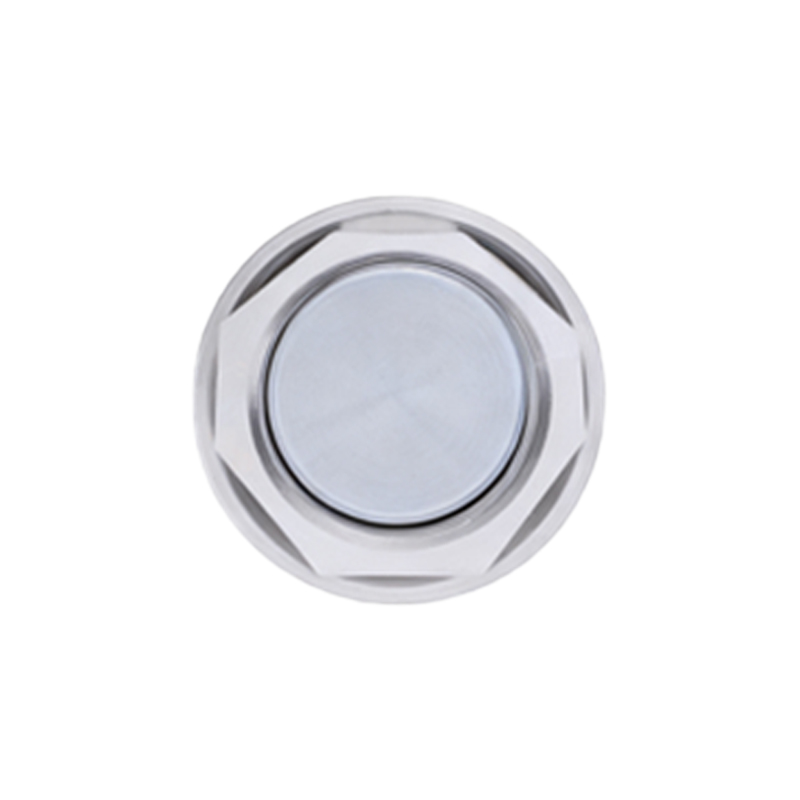
In the realm of industrial automation and control systems, proximity sensors are indispensable components. They detect the presence or absence of an object without physical contact, enabling precise, reliable, and maintenance-free operation in countless applications. Understanding their classification is crucial for engineers and system designers to select the optimal sensor for a specific task. This article delineates the primary classification standards for proximity sensors, focusing on their operating principles, output types, and physical configurations.
The most fundamental classification is based on the underlying sensing technology or operating principle. This category primarily includes Inductive, Capacitive, Ultrasonic, and Photoelectric sensors. Inductive proximity sensors are the workhorses of metal detection. They generate an electromagnetic field and detect eddy current losses induced in a conductive target. These sensors are highly reliable for detecting ferrous and non-ferrous metals, with typical sensing ranges from a few millimeters to about 60 millimeters. They are immune to non-metallic substances like dust, oil, or water, making them ideal for harsh industrial environments such as machine tools and automotive assembly lines.
Capacitive proximity sensors, in contrast, can detect both metallic and non-metallic materials, including liquids, plastics, glass, and wood. They function by generating an electrostatic field and sensing changes in capacitance caused by the target entering this field. This makes them perfect for applications like level detection in tanks, material handling of non-metals, and presence detection of packaged goods. Their sensing range is generally similar to inductive types but can be influenced by the target material's dielectric constant.
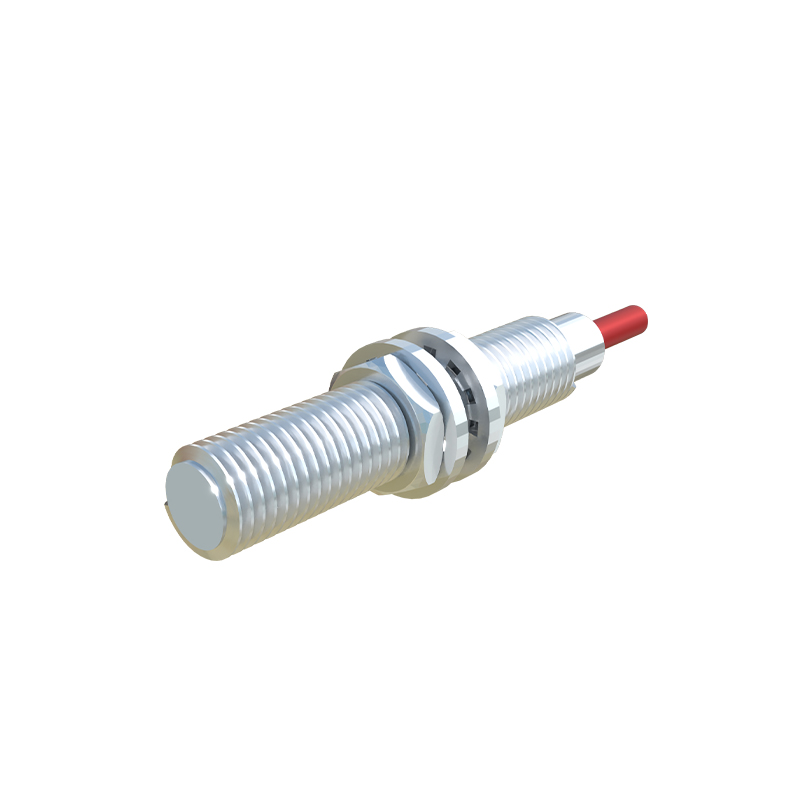
Ultrasonic sensors operate by emitting high-frequency sound waves and evaluating the reflected echo. They measure the time-of-flight to determine the distance to an object. This technology excels in long-range detection (up to several meters), level sensing of bulk materials or liquids, and applications where the target's color, transparency, or material composition is variable. They are less susceptible to environmental factors like dust or light interference compared to optical methods but can be affected by temperature gradients and air turbulence.
Photoelectric sensors utilize a light transmitter (usually LED or laser) and a receiver. They are classified further by their sensing mode: through-beam, retro-reflective, and diffuse reflective. Through-beam sensors offer the longest range and highest reliability, as the receiver detects the direct interruption of the light beam. Retro-reflective types use a reflector, while diffuse reflective sensors detect light reflected directly from the target itself. Photoelectric sensors are versatile for detecting objects of almost any material at varying distances but can be challenged by highly reflective or transparent objects and ambient light conditions.
Beyond the operating principle, proximity sensors are classified by their electrical output type. The two main families are Digital (Discrete) and Analog outputs. Digital output sensors, the most common, provide a simple ON/OFF signal (e.g., PNP, NPN, or relay contacts) when a target enters the sensing field. They are used for basic presence/absence detection, counting, and positioning. Analog output sensors provide a continuous signal (e.g., 0-10V, 4-20mA) proportional to the distance between the sensor and the target. This enables precise distance measurement, contour profiling, and thickness monitoring, adding a layer of functionality beyond simple switching.
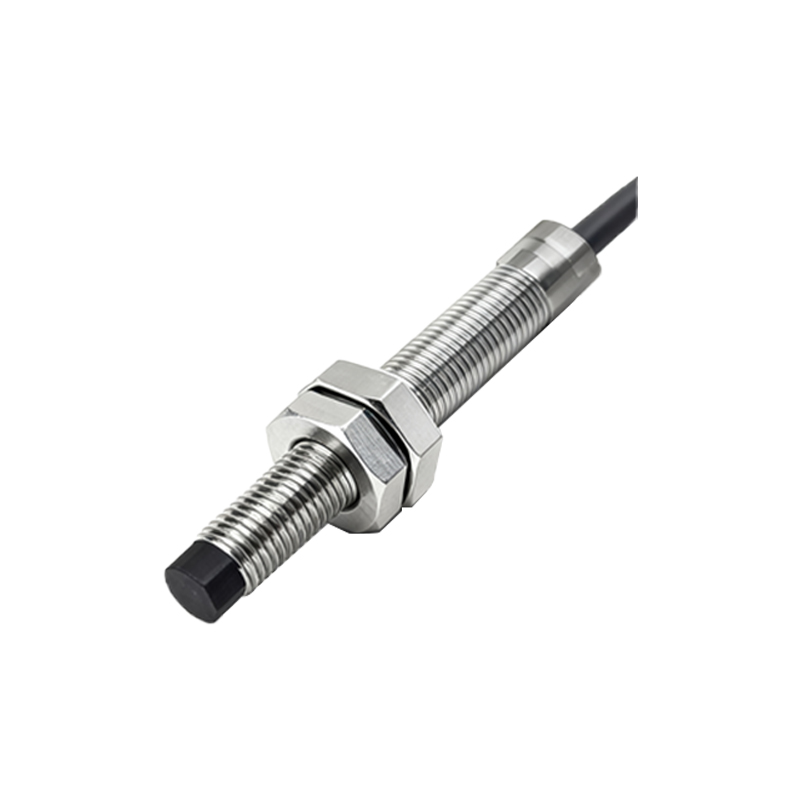
The physical design and housing configuration form another critical classification axis. This includes factors like shape (cylindrical, rectangular, or ring-shaped), size, mounting style (flush or non-flush mount for inductive sensors), and connection type (pre-wired cable or quick-disconnect connectors). Cylindrical threaded barrels are ubiquitous, while rectangular housings are often used where space is constrained. The choice of housing material (e.g., stainless steel, nickel-plated brass, or PBT plastic) is dictated by the environmental conditions, including exposure to chemicals, washdowns, or mechanical impact.
Furthermore, sensors are classified by their performance specifications, which are standardized by norms such as IEC 60947-5-2. Key specs include the nominal sensing distance (Sn), operating voltage range, switching frequency, repeatability, temperature rating, and ingress protection (IP) rating. For instance, a sensor rated IP67 can withstand temporary immersion, making it suitable for food and beverage or outdoor applications.
In conclusion, the systematic classification of proximity sensors—by operating principle, output type, and physical design—provides a structured framework for selection. An inductive sensor with a digital PNP output in a stainless steel, flush-mount cylindrical housing solves a very different problem than a capacitive analog-output sensor for liquid level control. Mastery of these classification standards empowers engineers to enhance system reliability, optimize performance, and ensure operational safety across the diverse landscape of modern industrial automation.