In industrial automation, robotics, consumer electronics, and automotive systems, proximity sensors play a critical role in detecting the presence or absence of objects without physical contact. Professionals and technical documents frequently use abbreviations and acronyms to refer to these sensors efficiently. Understanding these shorthand terms is essential for engineers, technicians, and procurement specialists working with sensor technologies.
One of the most common abbreviations encountered is PRX or PXS, which simply stands for "Proximity Sensor." This generic term is often used in part numbers, schematic diagrams, and system documentation. For instance, a label like "PRX-12" on a wiring diagram typically indicates the twelfth proximity sensor in a series or a specific model number.
Diving into specific types, Inductive Proximity Sensors are frequently abbreviated as INDP or IPS. These sensors detect metallic objects through electromagnetic fields. You might see them specified in datasheets as "INDP-18M30," indicating an inductive sensor with an 18mm diameter and 30mm sensing range. Their key feature is that they only react to metals, making them ideal for metal detection tasks in machinery.
Capacitive Proximity Sensors, abbreviated as CAP or CPS, can detect both metallic and non-metallic materials like liquids, plastics, or wood by measuring changes in capacitance. In part lists, they may appear as "CAP-S50" for a capacitive sensor with a 50mm range. These are commonly used in level detection or material handling.
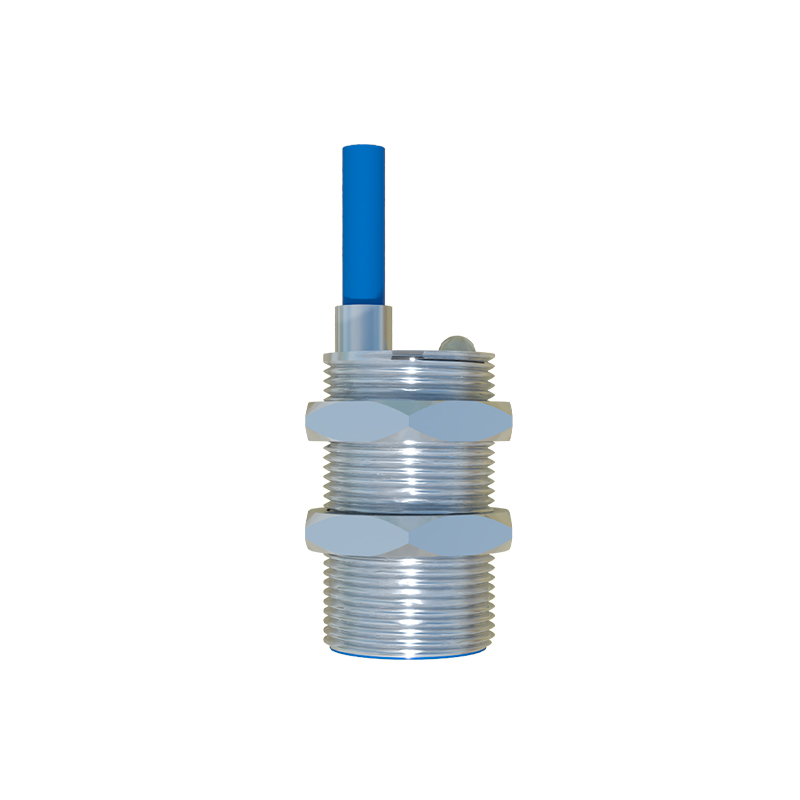
Ultrasonic Proximity Sensors often use the abbreviation US or UPS. They operate by emitting ultrasonic sound waves and measuring the echo return time. A typical designation could be "US-300," implying a 300mm maximum sensing distance. These sensors are valuable for distance measurement and object detection in challenging environments.
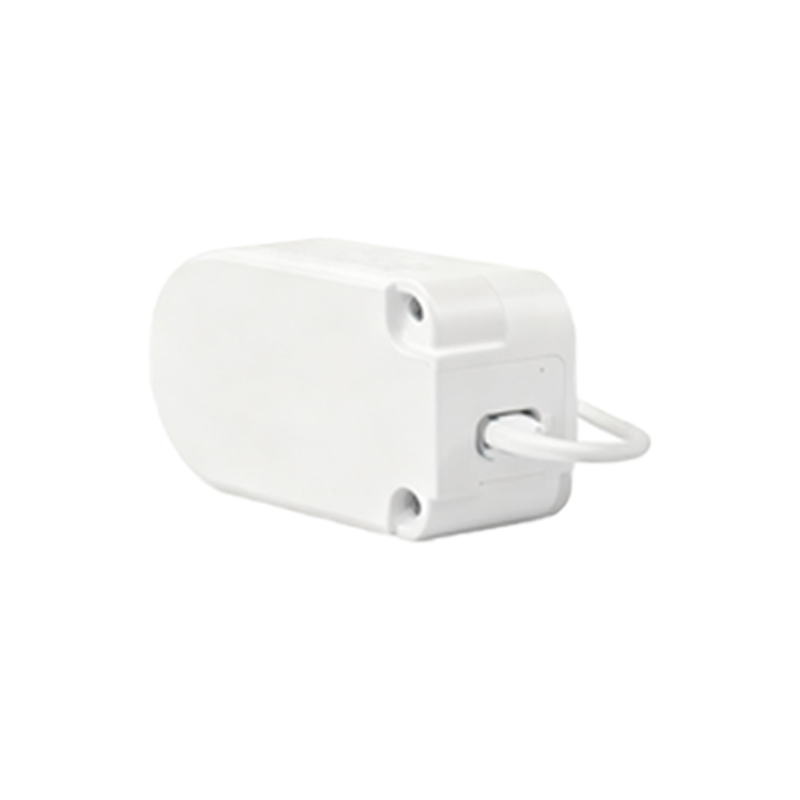
Photoelectric Sensors, sometimes grouped under proximity sensors, have their own set of abbreviations like PE, PES, or PHOTO. They use light beams to detect objects. Variants include through-beam (TB), retro-reflective (RR), and diffuse reflective (DR) types, each with distinct abbreviations in technical manuals.
Magnetic Proximity Sensors, often called Reed Switches or Hall Effect Sensors, may be abbreviated as MAG or MPS. These detect magnetic fields and are frequently used for position sensing. A part number like "MAG-PROX" might denote a magnetic proximity switch.
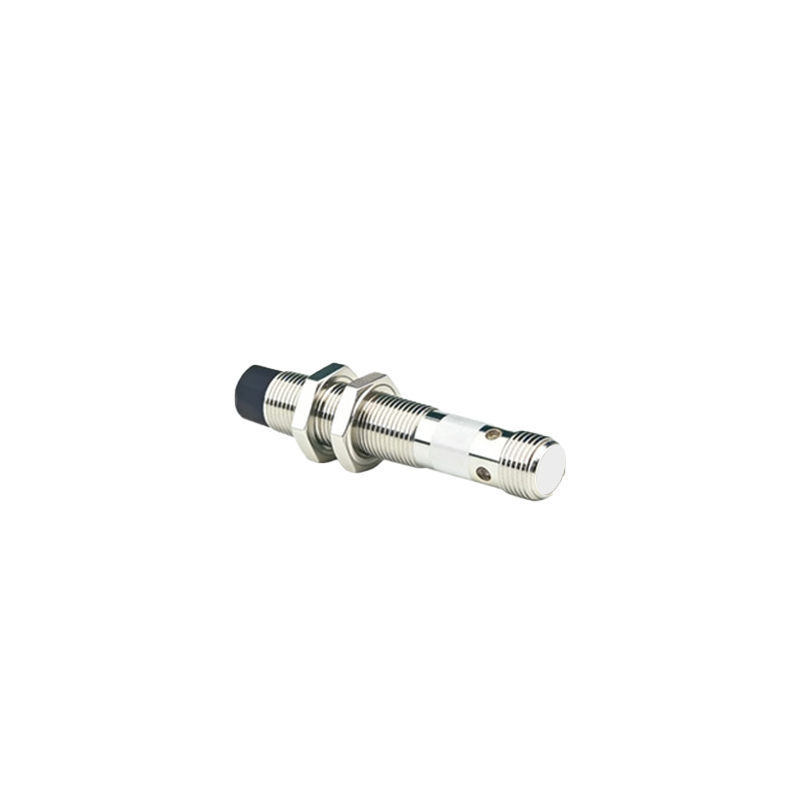
In networking and industrial communication protocols like IO-Link or PROFINET, proximity sensors are integrated into digital systems. Here, you might encounter tags like PRX_IN for a proximity sensor input channel or SNR-PROX for a sensor node address.
Understanding these abbreviations ensures accurate interpretation of technical drawings, procurement specifications, and maintenance manuals. It reduces errors in system integration and component replacement. When reviewing a sensor datasheet, always check the abbreviation key or glossary if provided. Consistent use of standardized abbreviations across documentation improves clarity and efficiency in multidisciplinary engineering teams.
For those sourcing sensors, recognizing these acronyms aids in precise catalog searches and supplier communications. For example, searching for "CPS M30" will quickly filter to capacitive proximity sensors with a 30mm housing diameter. Similarly, in programmable logic controller (PLC) ladder logic, inputs from inductive sensors might be labeled "I_IPS1" for the first inductive proximity input.
In summary, mastering the common abbreviations for proximity sensors—such as PRX, IPS, CPS, US, and MAG—facilitates smoother project execution, clearer documentation, and more effective troubleshooting in various technological applications. Always refer to manufacturer-specific documentation for any non-standard abbreviations, as conventions can vary between companies and industries.