In the dynamic landscape of industrial automation, the role of proximity sensors is paramount. Among the diverse form factors available, square proximity sensors have carved out a significant niche due to their robust design, versatile mounting options, and reliable performance in demanding environments. This article delves into the world of square proximity sensor manufacturers, exploring the technological nuances, application-specific considerations, and key factors that define industry leadership.
Square proximity sensors, distinct from their cylindrical counterparts, offer a stable mounting surface and often a more compact profile in certain dimensions, making them ideal for space-constrained applications. The primary sensing technologies employed include inductive, capacitive, and ultrasonic. Inductive sensors, the most common, detect metallic objects without physical contact and are the workhorses in metalworking, automotive assembly, and material handling. Leading manufacturers engineer these with advanced features like weld-field immunity, which prevents malfunction in environments with strong magnetic fields from welding equipment, and extended sensing ranges for specific metal types.
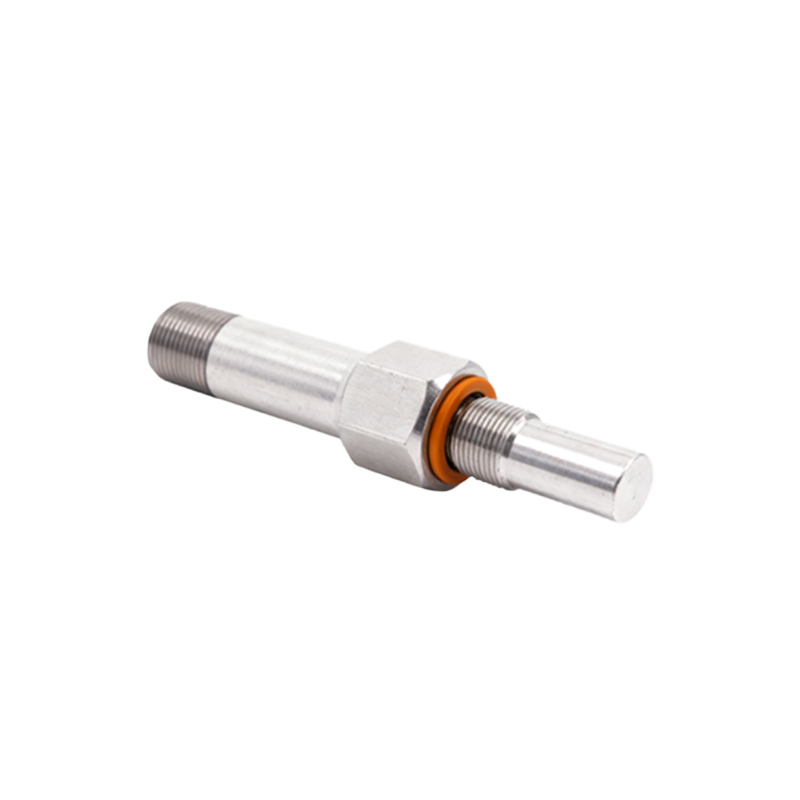
Capacitive square sensors can detect both metallic and non-metallic materials, such as plastics, liquids, and wood. This makes them invaluable in packaging, food and beverage, and chemical processing industries. Top-tier manufacturers focus on sensitivity adjustment capabilities and robust housing materials (e.g., PTFE coatings) to resist adhesion of sticky substances, ensuring consistent operation. Ultrasonic square sensors provide precise distance measurement and level detection for solids and liquids, even in dusty or steamy conditions where optical sensors might fail.
The manufacturing excellence of a square proximity sensor is not merely in its sensing element. It encompasses the entire product lifecycle. High-quality manufacturers invest heavily in housing integrity. A typical industrial-grade square sensor features a housing made from nickel-plated brass, stainless steel, or high-performance polymers like PBT. This ensures exceptional resistance to corrosion, chemicals, oils, and mechanical impacts, conforming to IP67, IP68, or IP69K ingress protection ratings. The electrical connections are equally critical, with options for quick-disconnect M8 or M12 connectors, or fixed cables with robust strain relief, designed to withstand constant vibration and pull.
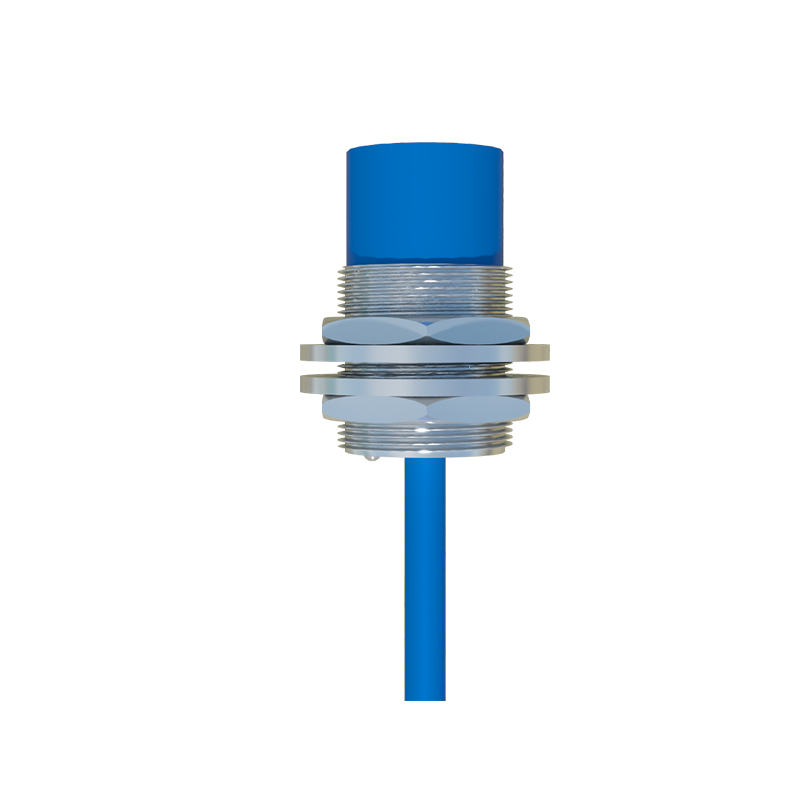
Signal output configurations are another area of specialization. Manufacturers offer models with NPN or PNP transistor outputs, NO (Normally Open) or NC (Normally Closed) switching logic, and analog current or voltage outputs (4-20mA, 0-10V) for continuous measurement. The advent of IO-Link digital communication is a significant trend. Leading manufacturers are integrating this smart sensor protocol into their square proximity lines, enabling detailed parameter setting, real-time diagnostics, and seamless integration into Industry 4.0 and IIoT (Industrial Internet of Things) frameworks. This allows for predictive maintenance, reducing unplanned downtime.
When selecting a manufacturer, engineers must evaluate beyond the datasheet. Key considerations include:
Application Engineering Support: The ability of the manufacturer's technical team to provide solutions for complex sensing challenges.
Global Availability & Logistics: Consistent supply chains and local stock to minimize production line stoppages.
Certification Compliance: Products should meet international standards like UL, CE, ATEX (for hazardous areas), and IEC.
Customization Capability: Some manufacturers offer modified sensing ranges, connector angles, or laser-marked logos for OEM applications.
Reputation for Reliability: Long-term Mean Time Between Failure (MTBF) data and industry testimonials are invaluable.
The market is served by a spectrum of manufacturers, from global conglomerates with extensive portfolios to specialized firms focusing on extreme-environment sensors. The choice often balances between standardized, cost-effective solutions for high-volume applications and highly specialized, ruggedized sensors for critical or harsh processes.
In conclusion, square proximity sensor manufacturers are pivotal enablers of modern automation. Their continuous innovation in materials science, embedded electronics, and digital communication is driving efficiency and intelligence on the factory floor. For system integrators and plant engineers, a thorough understanding of these manufacturers' capabilities—rooted in sensing physics, mechanical robustness, and connectivity—is essential for designing resilient, efficient, and future-ready automated systems. The right sensor, from the right manufacturer, is not just a component; it is a cornerstone of operational reliability.