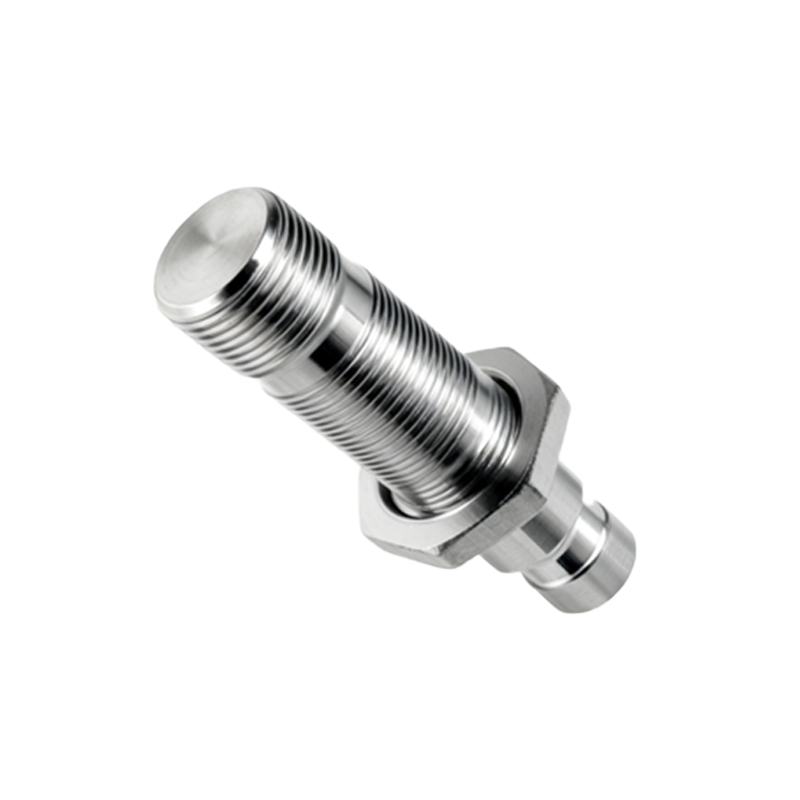
In the realm of industrial automation and robotics, the ability to detect objects without physical contact is paramount. This capability is largely enabled by infrared (IR) proximity sensors, often metaphorically referred to as the "eyes" of machines. These sophisticated devices operate on a simple yet profound principle: they emit an infrared light beam and measure the reflection to determine the presence, absence, or distance of an object. Unlike human eyes that perceive visible light, these sensors operate in the infrared spectrum, typically around 880nm or 940nm wavelengths, making their vision "unseen" yet incredibly reliable in diverse environments.
The core of an IR proximity sensor consists of an IR LED emitter and a photodiode or phototransistor receiver. When powered, the emitter projects an infrared beam. If an object enters the sensor's field of view, the beam reflects back and is captured by the receiver. The sensor's internal circuitry, often involving a comparator, then processes this signal. The intensity of the reflected light correlates with the object's proximity—closer objects produce a stronger reflection. Advanced versions utilize modulated IR signals and sophisticated filtering to combat ambient light interference, such as from sunlight or artificial lighting, ensuring stable performance in challenging conditions. This robustness is why they are indispensable on factory floors, within autonomous mobile robots (AMRs), and in automated guided vehicles (AGVs).
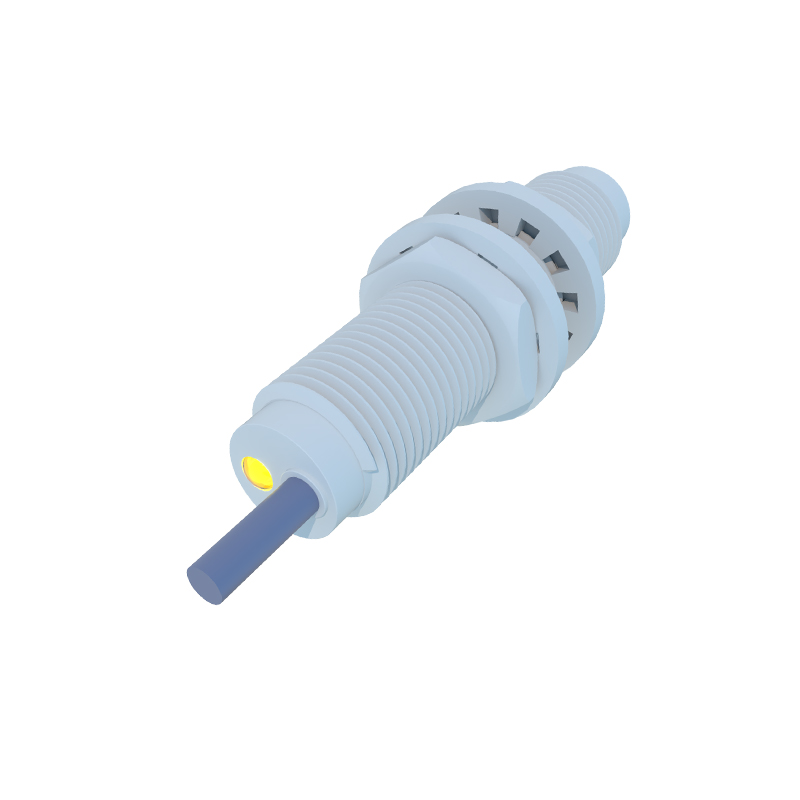
One of the most critical applications is collision avoidance and object detection. In robotic arms performing precise pick-and-place operations, IR proximity sensors act as safety eyes, preventing collisions with unexpected obstacles or human workers, thereby enhancing operational safety. They are also integral to material handling systems, detecting the presence of packages on conveyor belts or determining when a bin is full. In consumer electronics, these sensors are the unseen force behind features like smartphone screen blanking during a call—detecting the proximity of the user's face to disable the touchscreen and conserve power.
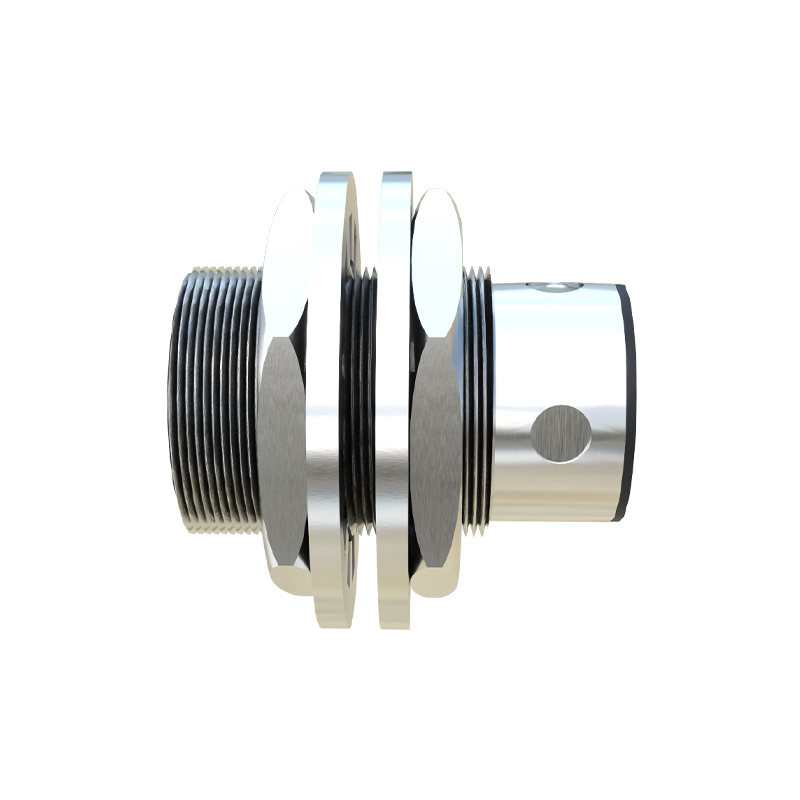
Furthermore, the evolution towards Industry 4.0 and smart factories has elevated the role of these sensors. They provide essential data for real-time monitoring and control systems. When integrated with IoT platforms, data from networks of IR sensors can be analyzed to optimize production flow, predict maintenance needs, and improve overall equipment effectiveness (OEE). Their small form factor, low power consumption, and fast response time make them ideal for embedded systems in compact and battery-operated devices.
However, the "vision" of IR proximity sensors has limitations. Their performance can be affected by the color and surface texture of target objects; dark, matte surfaces absorb more IR light, reducing the reflection signal, while shiny surfaces may cause specular reflections away from the receiver. Environmental factors like dust, fog, or extreme temperatures can also attenuate the IR beam. Therefore, proper sensor selection—considering factors like sensing range, beam pattern, and housing material—is a crucial engineering task. Complementary use with other sensing technologies, such as ultrasonic sensors or time-of-flight (ToF) cameras, often creates a more robust and comprehensive perception system for complex applications.
In conclusion, infrared proximity sensor eyes are a foundational technology in modern automation. They provide a reliable, cost-effective, and non-contact method of detection that drives efficiency, safety, and intelligence in automated systems. As robotics and smart machines continue to advance, the development of more sensitive, intelligent, and integrated IR sensing solutions will further expand the "vision" of machines, blurring the line between automated function and perceptive awareness. Their silent, unseen operation continues to be a cornerstone of innovation across countless industries.