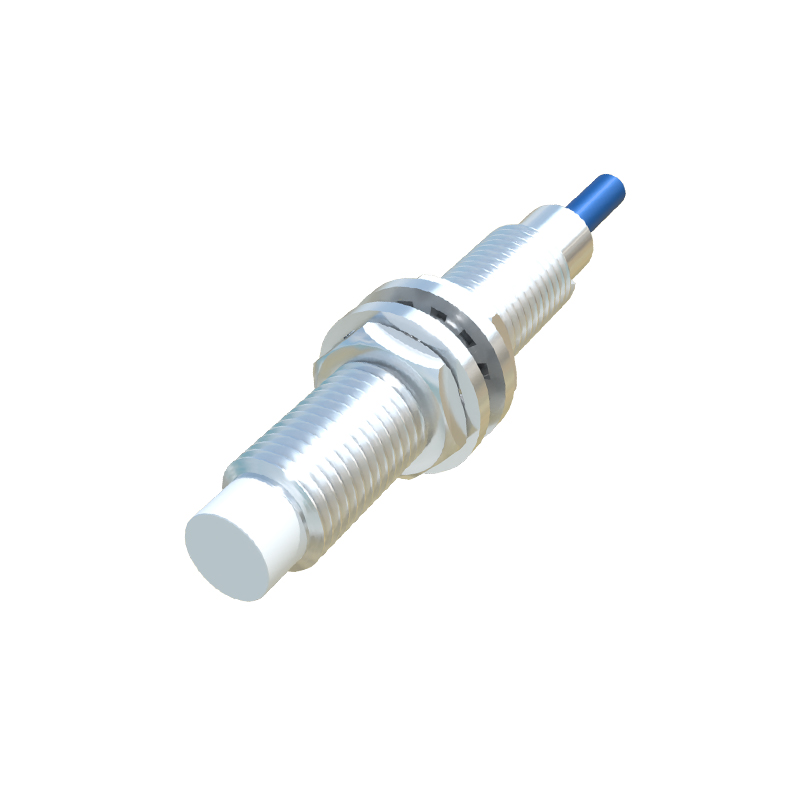
Proximity sensors are fundamental components in modern industrial automation, enabling non-contact detection of objects within a specified range without physical interaction. These sensors operate based on various physical principles, primarily electromagnetic, capacitive, and inductive technologies, each suited to specific applications and materials. Inductive proximity sensors, the most common type, detect metallic objects by generating an electromagnetic field. When a metal target enters this field, it induces eddy currents on the target's surface, causing a change in the sensor's oscillation amplitude. This alteration is detected by the sensor's internal circuit, which then triggers an output signal, typically a switch to control machinery or indicate presence. These sensors are highly reliable in harsh environments, resistant to dust, oil, and moisture, making them ideal for manufacturing lines, robotics, and automotive assembly.
Capacitive proximity sensors function by measuring changes in capacitance between the sensor and a target object. They generate an electrostatic field and detect variations when any material, conductive or non-conductive, enters the field. This makes them versatile for detecting liquids, plastics, wood, or granular substances, commonly used in packaging, food processing, and level monitoring systems. However, they can be sensitive to environmental factors like humidity, requiring careful calibration.
Magnetic proximity sensors utilize Hall effect or reed switch mechanisms to detect magnetic fields, often from permanent magnets attached to moving parts. They are employed in position sensing, speed measurement, and safety interlocks, offering high precision and durability in applications such as valve positioning and door monitoring.
The selection of a proximity sensor depends on factors like sensing distance, target material, environmental conditions, and required response time. Key parameters include nominal sensing range, which defines the standard detection distance under ideal conditions, and repeat accuracy, ensuring consistent performance. Modern advancements integrate smart features like IO-Link communication, enabling real-time diagnostics, parameter adjustment, and predictive maintenance, enhancing efficiency in Industry 4.0 setups.

In practice, proper installation is crucial to avoid interference from adjacent metals or electrical noise. Shielding techniques and mounting considerations help optimize performance. For instance, inductive sensors should be positioned to avoid mutual interference when multiple units are used closely. Regular testing with target simulators ensures operational integrity, preventing downtime in automated systems.
Overall, proximity sensors provide a robust solution for object detection, contributing to automation safety, precision, and productivity. Their non-contact nature minimizes wear and tear, extending equipment lifespan while supporting complex control systems in diverse industries from aerospace to consumer electronics. As technology evolves, innovations like miniaturization and enhanced sensitivity continue to expand their applications, driving smarter, more responsive industrial environments.