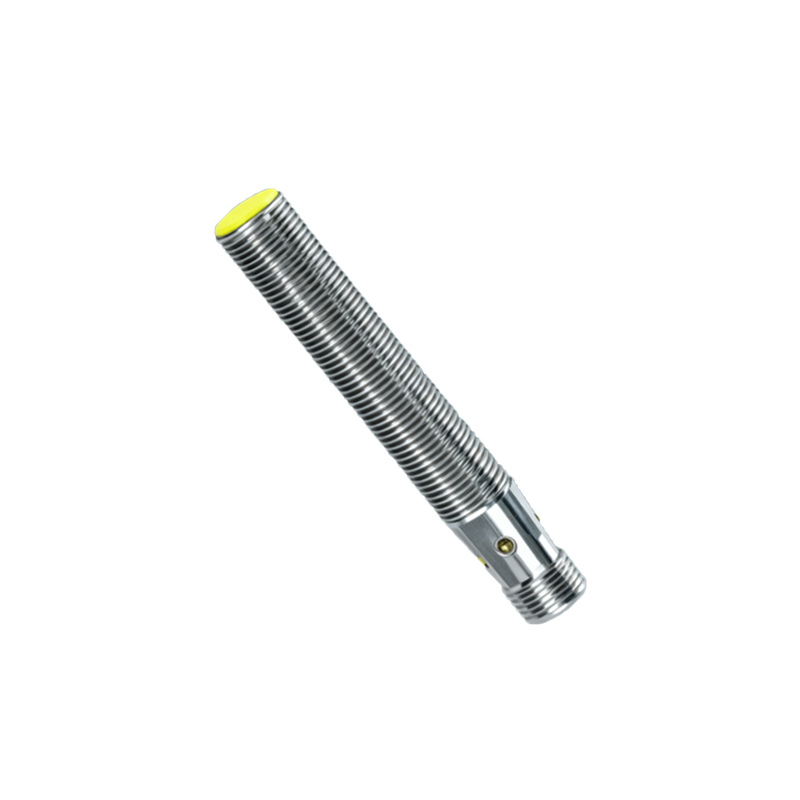
In industrial automation and control systems, proximity sensors play a critical role in detecting the presence or absence of objects without physical contact. While parallel wiring is common, connecting proximity sensors in series offers distinct advantages in specific applications, particularly where sequential logic, simplified wiring, or cost reduction is prioritized. This method involves linking multiple sensors in a single electrical loop, where the sensors collectively control a single load, such as a relay, PLC input, or indicator.
When sensors are wired in series, their output contacts are connected end-to-end, forming a continuous circuit. For the circuit to be complete and activate the load, all sensors in the series must be in the "closed" or "detected" state simultaneously. If any sensor in the chain does not detect an object, its contact opens, breaking the entire circuit and de-energizing the load. This inherent characteristic makes series wiring ideal for safety interlock systems, multi-stage verification processes, or operations requiring conditional "AND" logic. For example, in a machine guarding setup, multiple safety sensors might be connected in series to ensure all guards are properly closed before machinery can start, enhancing operational safety.
The implementation typically involves using normally open (NO) or normally closed (NC) contacts, depending on the desired logic. For fail-safe designs, NC contacts are often preferred, as a wire break or sensor failure will open the circuit, signaling a fault. It is crucial to consider the total voltage drop across all sensors in series, especially with long cable runs or numerous devices, to ensure sufficient voltage reaches the load. Additionally, the cumulative leakage current in DC sensors can affect performance, potentially causing false triggers if not accounted for during design.
One practical application is in conveyor systems, where multiple proximity sensors are placed along the line to verify that a product has passed through each stage. By wiring them in series, the control system receives a single confirmation signal only when all checkpoints are satisfied, reducing PLC input requirements and simplifying program logic. Similarly, in assembly stations, series-connected sensors can ensure that all components are present before initiating a welding or fastening cycle, improving quality control.
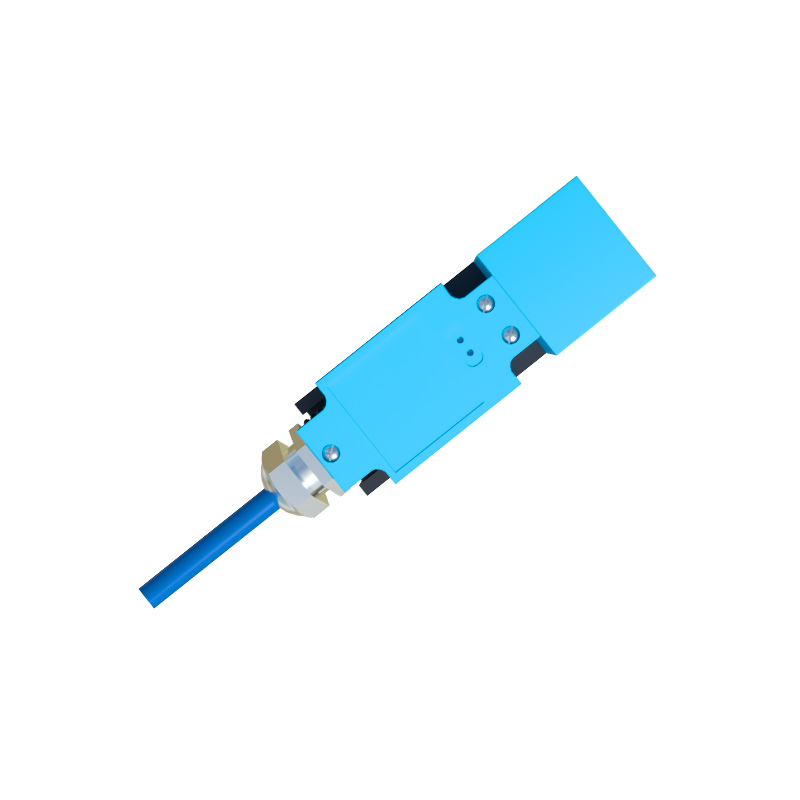
Despite its benefits, series wiring has limitations. Troubleshooting can be more challenging, as a fault in one sensor disrupts the entire chain, requiring systematic testing to identify the issue. Moreover, it is less flexible than parallel wiring for applications requiring individual sensor monitoring. Therefore, engineers must evaluate the specific requirements of speed, diagnostics, and redundancy before opting for a series configuration.
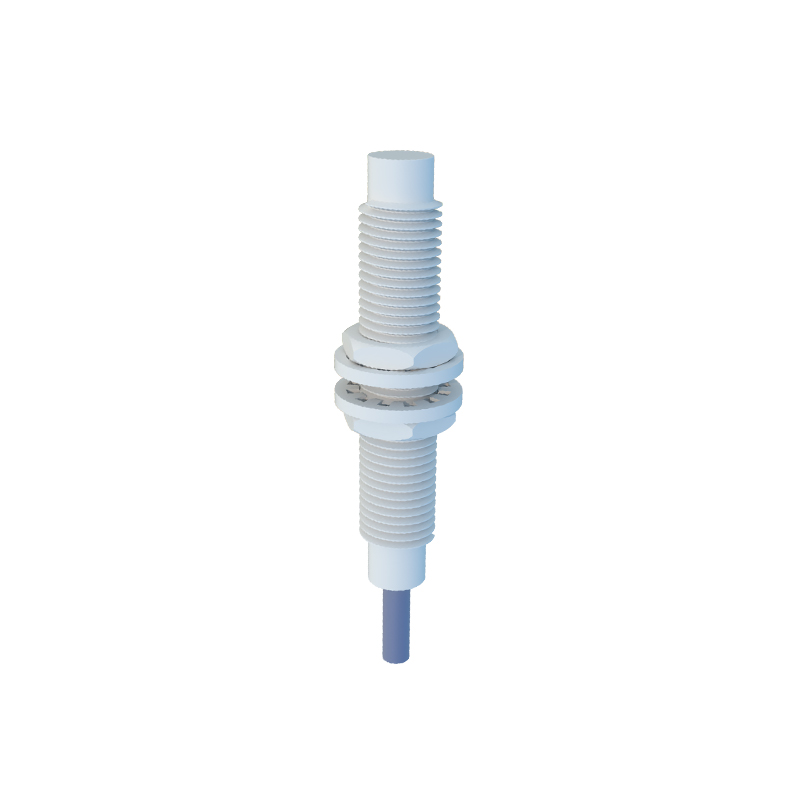
In summary, connecting proximity sensors in series is a valuable technique for creating efficient, cost-effective control circuits with built-in logical conditions. By understanding the electrical characteristics and application scenarios, automation professionals can leverage this method to enhance system reliability, safety, and simplicity in appropriate industrial environments.