In the world of waste management, garbage trucks are the workhorses of urban sanitation. These vehicles operate in dynamic, often congested environments, navigating tight alleys, busy streets, and crowded residential areas. A critical component ensuring their safe and efficient operation is the proximity sensor system. This technology, once considered a luxury, has become an indispensable part of modern refuse collection vehicles, fundamentally transforming daily operations and safety protocols.
Proximity sensors on garbage trucks are primarily non-contact detection devices. They use various technologies—such as ultrasonic, radar, and electromagnetic induction—to detect objects, people, or other vehicles within a predefined range of the truck. The most common application is in the rear and side blind-spot monitoring systems. Given the large size and limited direct visibility for drivers, especially during reversing maneuvers or when operating automated lifters, these sensors provide an essential electronic safety net. When an obstacle is detected within a hazardous zone, the system triggers immediate alerts. These warnings are typically multi-modal, combining audible alarms inside the cab, visual indicators on dash-mounted displays, and sometimes external warning sounds to alert pedestrians or cyclists nearby.
The operational benefits are substantial. Firstly, they drastically reduce the risk of collisions and backing accidents, which are among the most common incidents involving heavy-duty municipal vehicles. This directly enhances public safety and protects municipal workers. Secondly, by providing precise spatial awareness, sensors allow for more efficient packing of waste into the hopper. Drivers can position the truck optimally next to bins without the constant need for a spotter, saving time and labor. In models with fully automated side-loaders, sensors guide the robotic arms to accurately grab and empty containers, minimizing spillage and damage. This precision leads to faster route completion, lower fuel consumption per stop, and reduced wear on mechanical components.
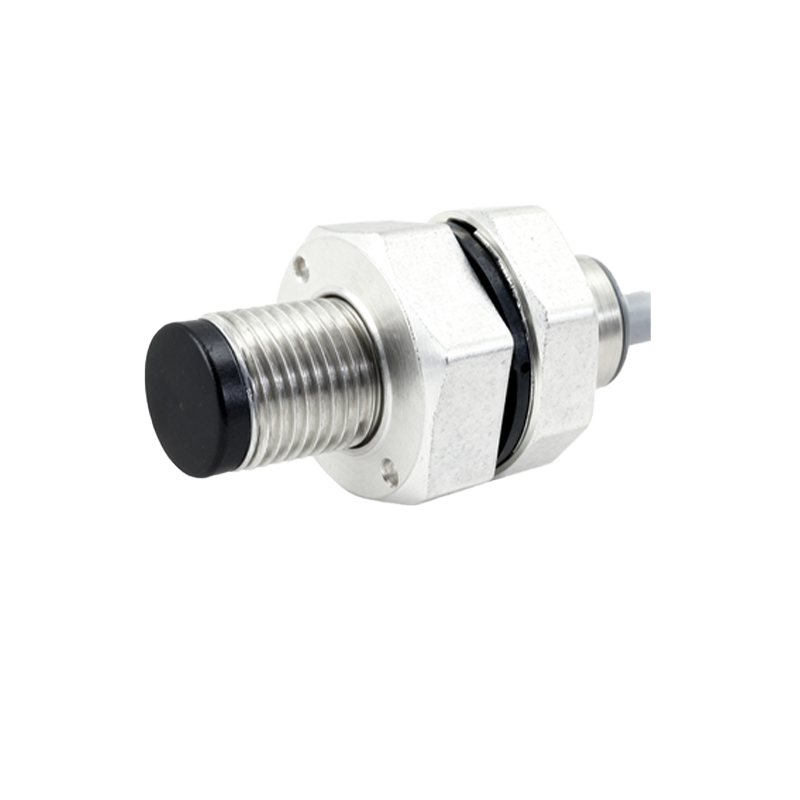
From a technical standpoint, the integration of these sensors has evolved. Modern systems are networked into the truck's central electronic control unit (ECU). They are designed to be robust, capable of withstanding harsh conditions including vibration, moisture, dust, and extreme temperatures—common in waste collection duties. Sensor data can now be logged, providing fleet managers with valuable telematics. This data helps analyze driving patterns, identify frequent incident zones, and schedule proactive maintenance, moving from reactive to predictive fleet management.
However, the implementation is not without challenges. Sensor performance can be degraded by heavy rain, snow, or mud accumulation, requiring regular cleaning and calibration. False positives from certain reflective surfaces or dense foliage can occasionally occur, potentially leading to driver desensitization. Therefore, a holistic approach combining sensor technology with comprehensive driver training and established safety procedures is paramount. The human element remains crucial; sensors are aids, not replacements, for vigilant operation.
Looking ahead, the future of proximity sensing in this sector is tied to broader trends in vehicle automation and connectivity. The integration of camera systems with sensor data to create composite visual and audio alerts is becoming standard. Furthermore, the advent of Vehicle-to-Everything (V2X) communication could allow garbage trucks to communicate their presence and movements directly to the smartphones of nearby pedestrians or to other connected vehicles, creating a safer ecosystem. Research into more advanced, AI-powered sensor fusion systems promises even greater object classification—distinguishing between a stationary dumpster, a moving pet, or a child—enabling more nuanced and appropriate vehicle responses.
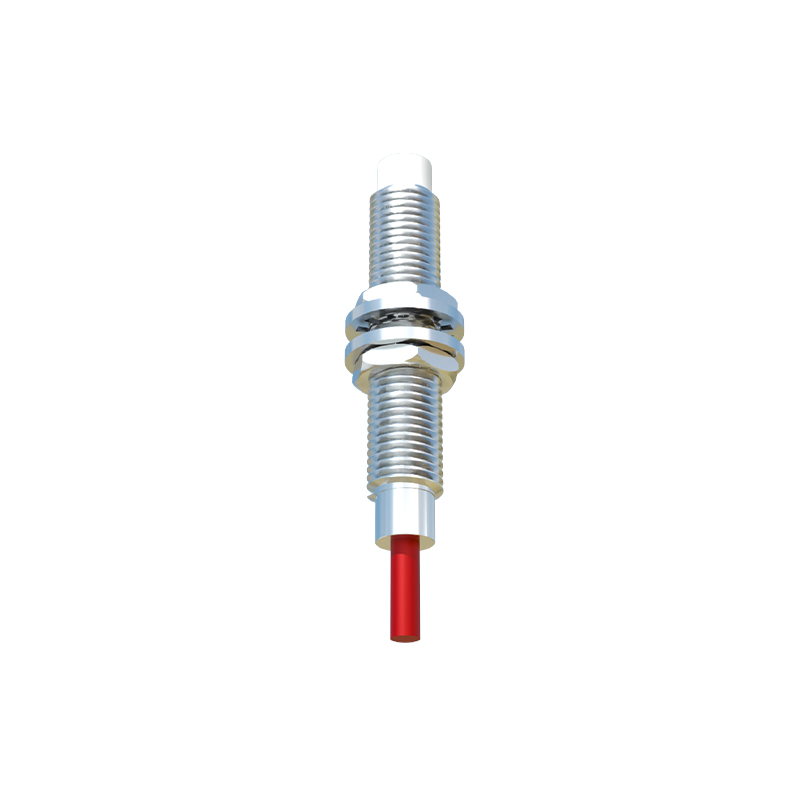
In conclusion, proximity sensors represent a significant technological leap for the waste collection industry. They address core challenges of safety in complex urban environments and drive tangible gains in operational efficiency. As sensor technology continues to advance, becoming more affordable, reliable, and intelligent, its adoption will become even more widespread. For municipalities and private waste haulers alike, investing in these systems is not merely a regulatory compliance issue but a strategic move towards safer streets, more sustainable operations, and the overall modernization of essential public services.