Proximity sensors are indispensable components in modern industrial automation, providing non-contact detection of objects without physical interaction. Among the various types, AC (Alternating Current) and DC (Direct Current) proximity switches are widely utilized across manufacturing, packaging, automotive, and material handling sectors. These sensors operate on the principle of electromagnetic fields, capacitive sensing, or inductive technology to detect metallic or non-metallic targets, ensuring precise control and enhanced safety in machinery operations.
AC proximity sensors typically operate at standard industrial voltages like 120VAC or 240VAC, making them suitable for high-power applications where direct connection to mains power is advantageous. They are known for their robustness and ability to handle inductive loads, such as motors or solenoids, without additional relays. However, AC sensors may have slower response times compared to DC variants and can generate more electrical noise, which might require shielding in sensitive environments. Common applications include conveyor systems, heavy machinery, and assembly lines where power efficiency and durability are prioritized.
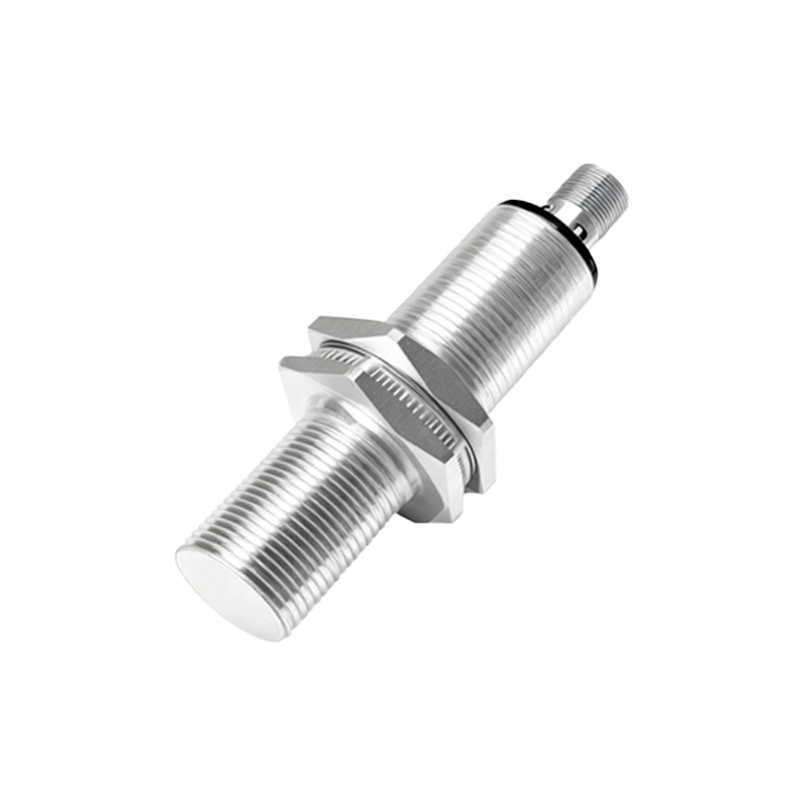
In contrast, DC proximity sensors, often operating at 12VDC or 24VDC, offer faster switching speeds, higher precision, and lower power consumption. They are ideal for electronic control systems, programmable logic controllers (PLCs), and battery-operated devices due to their compatibility with low-voltage circuits. DC sensors generally produce less electrical interference, making them suitable for environments with sensitive instrumentation. Their compact size and versatility allow integration into robotics, precision measurement tools, and automated packaging equipment. However, DC sensors may require additional circuitry, such as voltage regulators or protection diodes, to prevent damage from voltage spikes or reverse polarity.
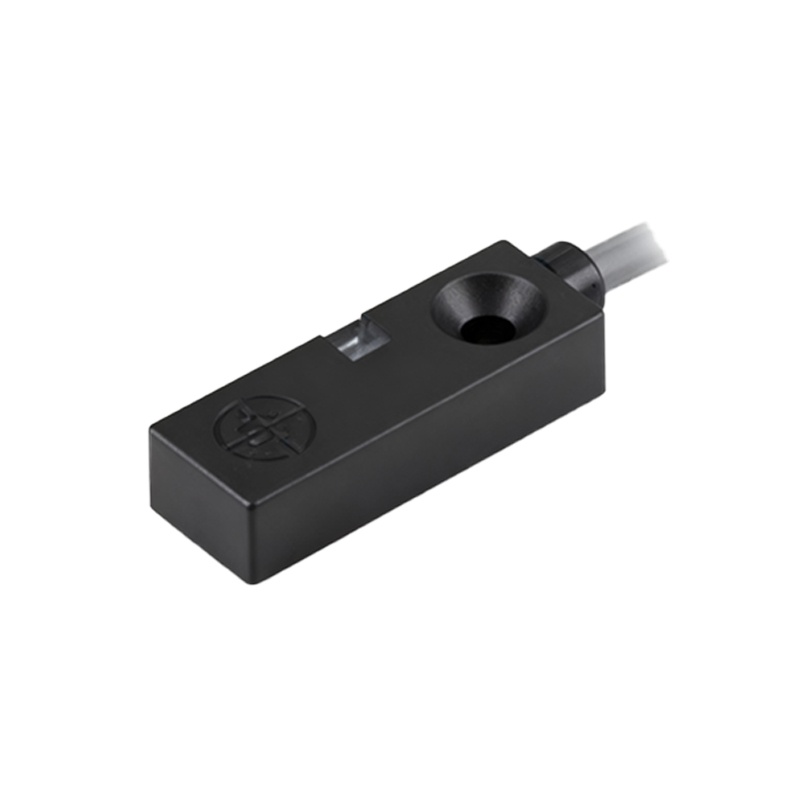
When selecting between AC and DC proximity switches, engineers must consider factors like operating voltage, load requirements, response time, and environmental conditions. For instance, in harsh industrial settings with high vibration or temperature fluctuations, sealed AC sensors might be preferred for their resilience. Meanwhile, DC sensors excel in applications demanding rapid detection cycles, such as high-speed counting or positioning tasks. It is also crucial to evaluate output configurations—whether NPN (sinking) or PNP (sourcing)—to ensure compatibility with control systems.
Installation and maintenance practices significantly impact sensor performance. Proper mounting, alignment, and clearance from metal surfaces can prevent false triggers and extend lifespan. Regular calibration and cleaning are recommended to avoid debris accumulation, which might affect detection accuracy. Additionally, adhering to safety standards, such as IEC 60947-5-2, ensures reliable operation and reduces downtime.
Advancements in proximity sensor technology continue to drive innovation, with smart sensors incorporating IoT connectivity for real-time monitoring and predictive maintenance. These developments enhance efficiency, reduce operational costs, and support Industry 4.0 initiatives. By understanding the distinct characteristics of AC and DC proximity sensors, professionals can optimize system design, improve productivity, and address complex automation challenges effectively.