In the rapidly evolving landscape of industrial automation and smart devices, the relentless drive towards miniaturization presents both a formidable challenge and a remarkable opportunity. At the heart of this transformation lie two critical components: ultra-compact proximity sensors and micro-motors. Their synergistic integration is enabling a new generation of compact, intelligent, and highly efficient systems across diverse sectors, from precision robotics to advanced consumer electronics.
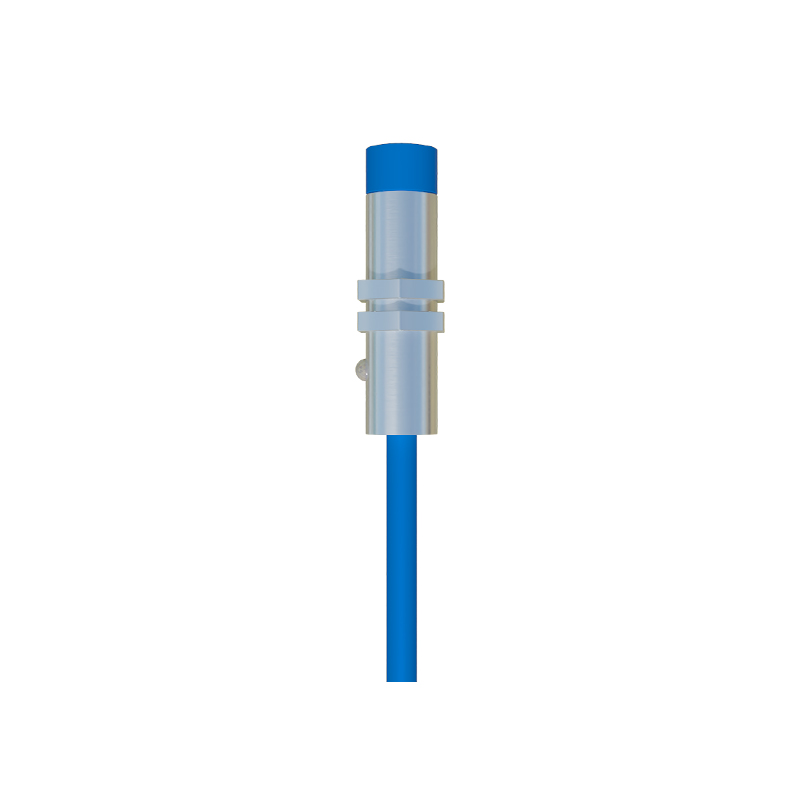
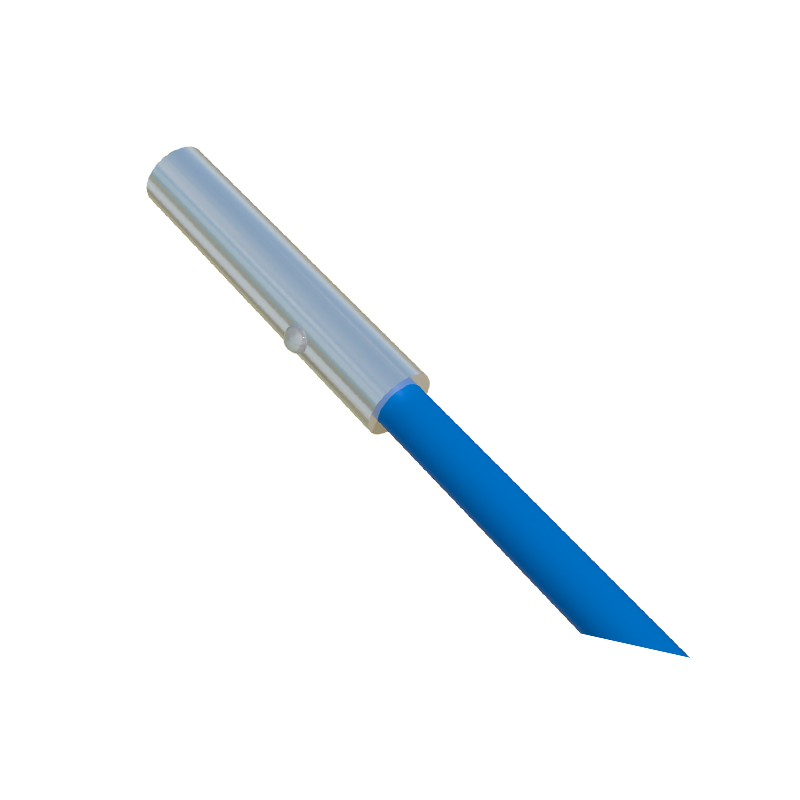
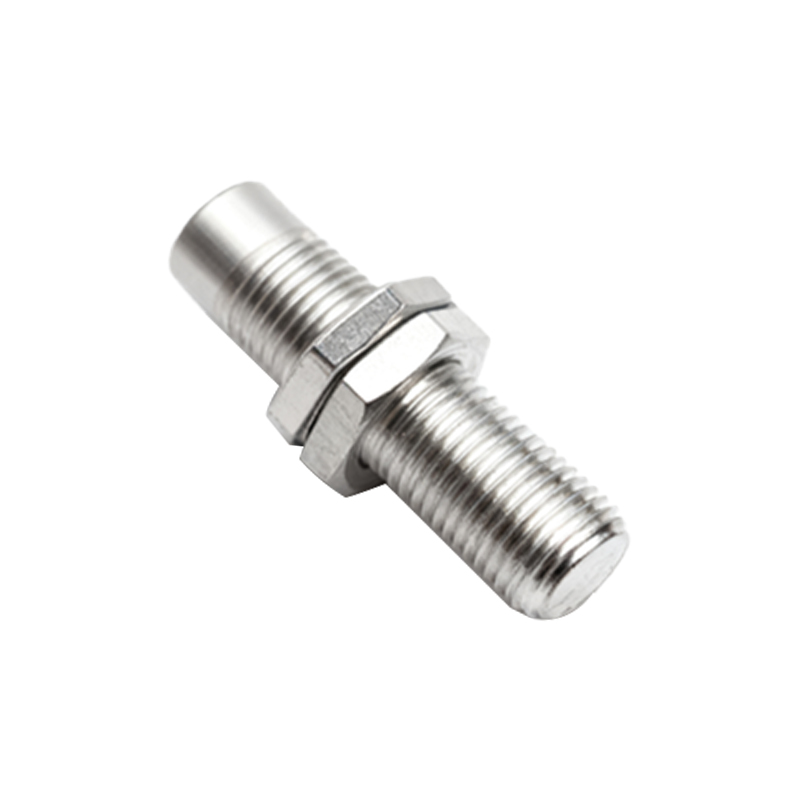
The engineering of ultra-compact proximity sensors represents a significant leap in sensing technology. These devices, often measuring just a few millimeters in dimension, are tasked with detecting the presence or absence of an object without physical contact. Modern variants, such as miniature inductive, capacitive, and photoelectric sensors, achieve this feat through sophisticated solid-state electronics. Inductive sensors generate an electromagnetic field to detect metallic targets, while capacitive types sense changes in capacitance caused by any material. Photoelectric sensors, in their miniaturized forms, utilize a tiny infrared LED and phototransistor to detect interruptions in a light beam. The primary engineering hurdles have been maintaining robust sensing ranges and noise immunity while drastically reducing the footprint. Advances in ASIC (Application-Specific Integrated Circuit) design and low-power consumption architectures have been pivotal. These sensors now offer impressive performance metrics—sub-millisecond response times, detection distances suitable for their size, and high repeatability—all packaged in housings resistant to industrial contaminants.
Parallel to this, the development of micro-motors has seen revolutionary progress. These are not merely scaled-down versions of their larger counterparts but are re-engineered from the ground up. Core technologies include brushless DC (BLDC) motors and ultra-precise stepper motors, with diameters often under 10mm. The design focus shifts dramatically to maximizing power density and efficiency within a minimal volume. This involves innovations in magnetic materials, such as high-grade neodymium magnets, and precision wound micro-coils. Thermal management becomes a critical constraint, as heat dissipation in a tiny enclosed space can severely limit performance and lifespan. Engineers employ advanced materials for stators and rotors, along with optimized electromagnetic designs, to minimize losses. Furthermore, integrating micro-gearheads with high reduction ratios allows these tiny motors to produce usable torque for applications like adjusting camera lenses, driving micro-pumps in medical devices, or positioning sensors themselves.
The true potential is unlocked when these micro-components operate in concert. Consider a miniature robotic arm for electronic assembly. A suite of micro proximity sensors provides real-time feedback on arm position and detects the presence of tiny components on a circuit board. This data is processed by an onboard microcontroller, which then commands a series of micro-motors to execute precise, sub-millimeter movements for pick-and-place operations. This closed-loop system, all contained within a minuscule space, exemplifies high-precision mechatronics. In wearable health monitors, a micro-motor might adjust a focusing element for an optical sensor, while other proximity sensors manage user interface interactions or detect device attachment.
However, the integration path is fraught with interdisciplinary challenges. Electrical engineers must contend with electromagnetic interference (EMI) between densely packed motor windings and sensitive sensor circuits. Mechanical designers face issues related to vibration, micro-scale alignment tolerances, and mounting stresses. Signal integrity is paramount; the analog signals from a micro-sensor, often in the low millivolt range, must be amplified and conditioned without being swamped by noise from a nearby motor's switching drivers. Solutions involve strategic PCB layout with dedicated ground planes, shielding techniques using micro-foil, and sophisticated filtering algorithms implemented in firmware.
Looking forward, the trend is toward even greater integration and intelligence. We are moving towards "smart modules" where a micro-motor, its driver, a proximity sensor, and a control IC are packaged as a single, self-regulating unit. These modules communicate via digital fieldbus protocols like IO-Link, providing not just control but also diagnostic data on health parameters like temperature, vibration, and wear. This predictive maintenance capability at the micro-component level is a game-changer for system reliability.
In conclusion, the co-advancement of ultra-compact proximity sensors and micro-motors is a cornerstone of modern miniaturization. It demands a holistic engineering approach that blends expertise in electromagnetics, materials science, signal processing, and thermal dynamics. As these technologies continue to shrink in size while growing in capability, they will quietly power the next wave of innovation, making intelligent automation more pervasive, portable, and powerful than ever before. The future is not just automated; it is imperceptibly small and brilliantly efficient.