Proximity sensors are essential components in modern industrial automation, designed to detect the presence or absence of an object without physical contact. Among various types, inductive and magnetic proximity sensors are widely used, with magnets often serving as the target for detection. This article delves into the principles, applications, and best practices for using proximity sensors with magnets, tailored for electrical engineers and industry professionals.
Proximity sensors operate based on different physical principles. Inductive sensors generate an electromagnetic field and detect changes caused by metallic objects, while magnetic sensors, such as reed switches or Hall effect sensors, respond to magnetic fields. When a magnet approaches a magnetic proximity sensor, it triggers a change in the sensor's state—for example, closing a reed switch or altering the Hall voltage. This non-contact detection is crucial in harsh environments where dust, moisture, or mechanical wear could compromise traditional switches.
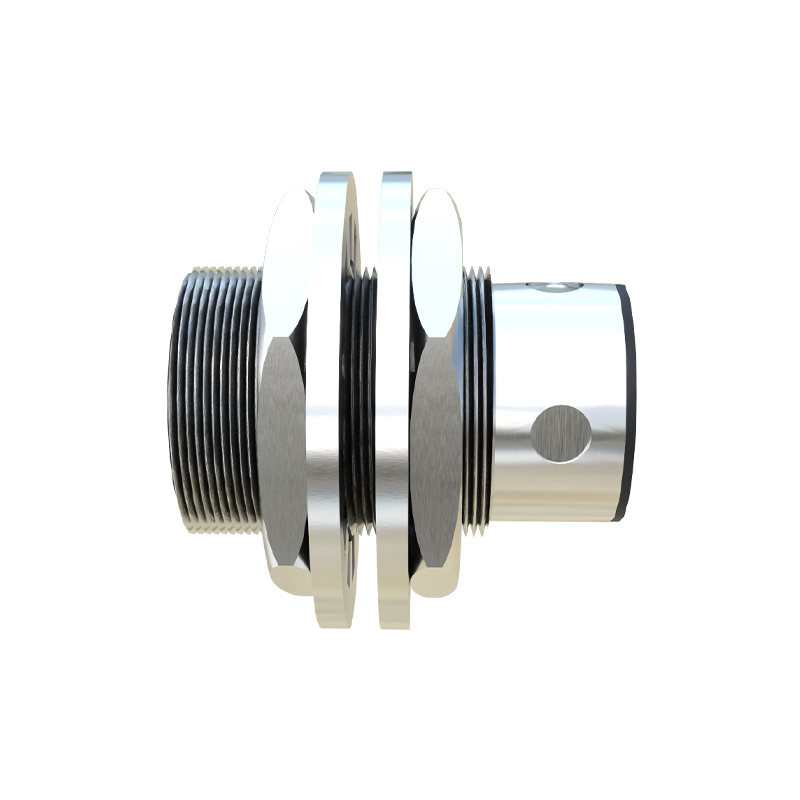
In industrial settings, magnets are commonly paired with proximity sensors for precise positioning and motion control. For instance, in conveyor systems, magnets mounted on moving parts can actuate sensors to track product flow or initiate automated processes. Similarly, in robotics, magnets help in end-effector positioning or safety interlocks. The choice of magnet material—such as neodymium, ferrite, or samarium-cobalt—impacts sensor performance. Neodymium magnets offer strong magnetic fields for longer detection ranges but may require careful alignment to avoid interference with nearby equipment.
Key considerations when integrating magnets with proximity sensors include detection distance, magnetic field strength, and environmental factors. The sensor's sensing range must match the magnet's field to ensure reliable operation. Engineers should account for temperature variations, as extreme heat can demagnetize certain materials, while cold environments might affect sensor sensitivity. Additionally, shielding may be necessary to prevent stray magnetic fields from disrupting other electronic components.
Installation and alignment are critical for optimal performance. Magnets should be positioned parallel to the sensor's sensing face, with consistent orientation to maintain a stable magnetic flux. For dynamic applications, such as rotating machinery, using multiple magnets can enhance detection accuracy. Regular maintenance, including checking for magnet degradation or sensor calibration, helps prevent downtime.
Advancements in sensor technology have led to smarter systems with integrated diagnostics, allowing for real-time monitoring of magnet-sensor interactions. These innovations improve efficiency in industries like automotive manufacturing, packaging, and material handling. By understanding the synergy between proximity sensors and magnets, engineers can design robust, reliable automation solutions that meet stringent industrial standards.
In summary, the interaction between proximity sensors and magnets is a cornerstone of industrial automation, enabling non-contact detection that enhances safety and precision. With proper selection, installation, and maintenance, these systems can significantly boost operational efficiency. As technology evolves, continued focus on optimizing magnet-sensor pairings will drive further innovations in the electrical engineering field.