In the realm of industrial automation and machinery control, speed sensors and proximity switches play pivotal roles in ensuring operational efficiency, safety, and reliability. These devices, though often discussed in tandem due to their sensing capabilities, serve distinct functions and are integral to modern electrical and mechanical systems. This article delves into their principles, types, applications, and key considerations for selection and maintenance.
Speed sensors, also known as tachometers or rotational sensors, are designed to measure the rotational speed of a shaft, wheel, or other moving components. They convert mechanical motion into electrical signals, typically voltage or frequency, that can be interpreted by control systems. Common types include magnetic pickups, optical encoders, and Hall effect sensors. Magnetic pickups, for instance, generate a voltage pulse when a ferrous target passes near a coil, with frequency proportional to speed. Optical encoders use light beams and discs with slots to detect rotation, offering high precision. Hall effect sensors rely on magnetic fields to produce voltage changes, suitable for harsh environments. These sensors are critical in applications such as motor speed monitoring, conveyor belt control, and automotive systems (e.g., anti-lock braking systems), where real-time speed data is essential for feedback loops and safety protocols.
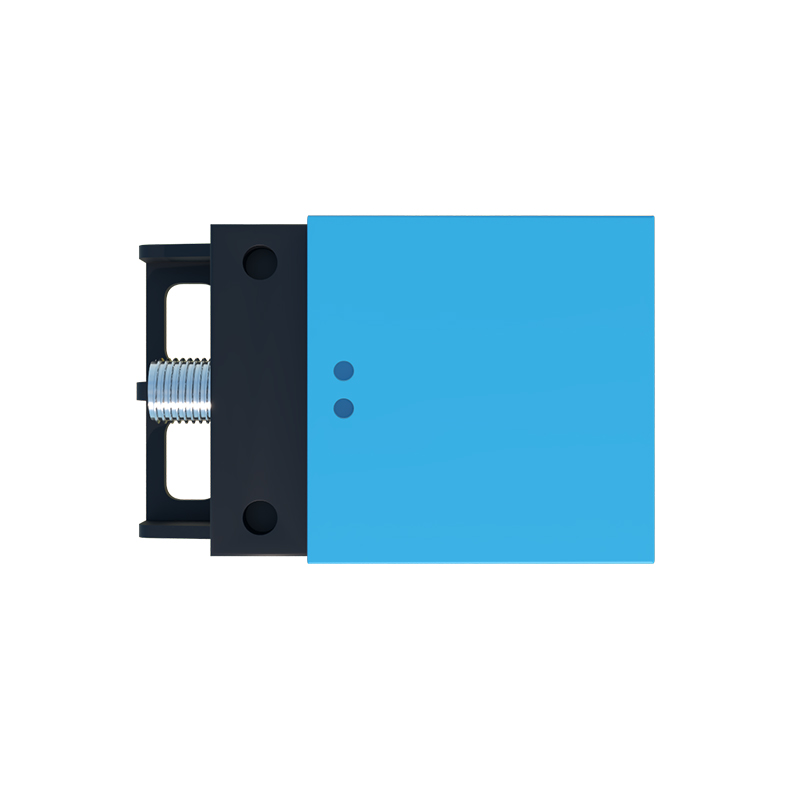
Proximity switches, on the other hand, are non-contact sensors that detect the presence or absence of an object within a specified range without physical contact. They operate based on electromagnetic, capacitive, or inductive principles. Inductive proximity switches, for example, generate an electromagnetic field and detect changes caused by metallic objects, making them ideal for metal detection in manufacturing lines. Capacitive versions can sense both metallic and non-metallic materials by measuring capacitance changes. These switches output a binary signal (on/off) and are widely used for position sensing, object counting, and limit switching in automated machinery. Their durability and resistance to environmental factors like dust or moisture make them a staple in industries ranging from packaging to robotics.
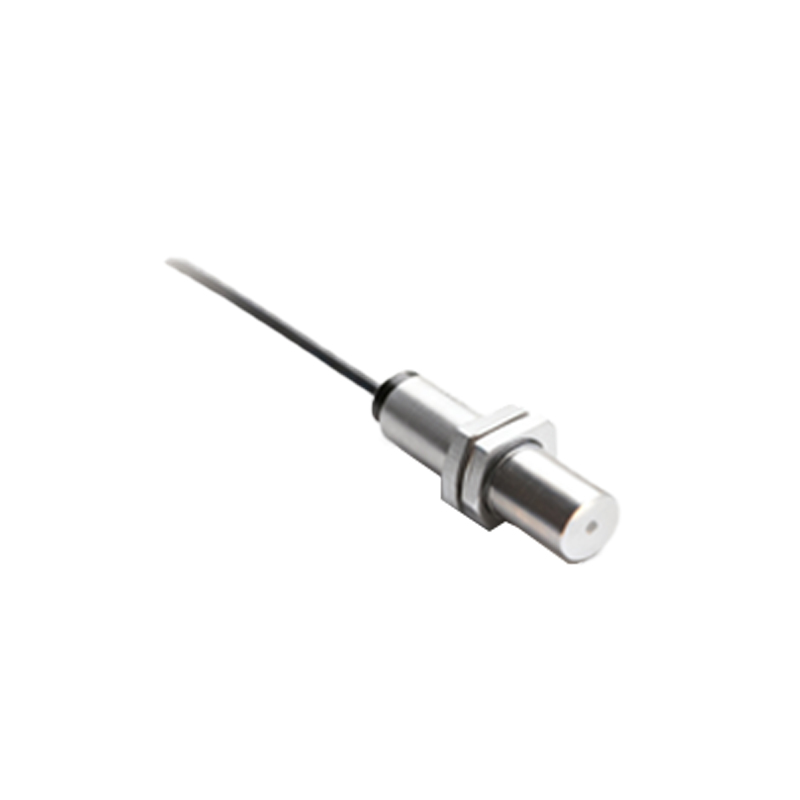
While both devices are sensing components, their primary difference lies in functionality: speed sensors provide continuous data on motion parameters, whereas proximity switches offer discrete detection events. In practice, they often complement each other. For instance, in a production line, a proximity switch might detect when a product reaches a certain point, triggering a speed sensor to measure conveyor velocity for synchronization. Integration with programmable logic controllers (PLCs) and industrial networks enhances their utility, enabling sophisticated control strategies.
Selecting the right sensor involves several factors. For speed sensors, key considerations include measurement range, accuracy, output type (analog or digital), and environmental conditions (temperature, vibration). Proximity switches require evaluation of sensing distance, material compatibility, response time, and housing durability. Regular maintenance, such as cleaning optical surfaces or checking magnetic alignments, is crucial to prevent downtime. Emerging trends, like the adoption of IoT-enabled sensors for predictive maintenance, are further transforming these technologies, allowing for data analytics and remote monitoring.
In summary, speed sensors and proximity switches are foundational to industrial automation, each addressing specific needs in motion and detection. Understanding their operation and applications helps engineers design robust systems that enhance productivity and safety. As technology advances, these devices will continue to evolve, offering greater precision and connectivity for smarter industrial solutions.