In the rapidly evolving landscape of industrial automation, proximity sensors have emerged as critical components for enhancing efficiency, safety, and precision. The latest generation of these sensors, incorporating advanced technologies such as inductive, capacitive, and ultrasonic principles, offers a multitude of benefits that are transforming operations across sectors like manufacturing, automotive, and logistics. This article delves into the key advantages of these innovative proximity sensors, highlighting their impact on contemporary industrial systems.
One of the most significant advantages of new proximity sensors is their enhanced accuracy and reliability. Traditional sensors often struggled with environmental interferences, such as dust, moisture, or electromagnetic noise, leading to false triggers and operational downtime. Modern proximity sensors, however, are designed with robust shielding and sophisticated signal processing algorithms. For instance, inductive sensors can now detect metallic objects with sub-millimeter precision, even in harsh conditions, while capacitive variants excel in non-metallic material detection without being affected by surface contaminants. This reliability ensures consistent performance, reducing maintenance needs and improving overall system uptime.
Another notable benefit is the increased flexibility and versatility of these sensors. With compact designs and modular configurations, they can be easily integrated into diverse applications, from assembly lines to robotic arms. Many new models feature adjustable sensing ranges and programmable outputs, allowing engineers to tailor them to specific tasks without hardware modifications. For example, ultrasonic proximity sensors offer wide detection angles and can handle varying object shapes and textures, making them ideal for complex material handling systems. This adaptability not only streamlines installation but also future-proofs investments by accommodating evolving technological demands.

Energy efficiency and sustainability are also key strengths of modern proximity sensors. By utilizing low-power consumption circuits and sleep modes, these devices minimize operational costs and environmental impact. In battery-powered or green energy applications, such as automated guided vehicles (AGVs) or renewable energy plants, this efficiency translates to longer lifespans and reduced carbon footprints. Additionally, the use of durable, recyclable materials in construction aligns with global sustainability goals, appealing to industries focused on eco-friendly practices.
Safety enhancements represent a crucial advantage, particularly in high-risk environments. New proximity sensors incorporate fail-safe mechanisms and redundant systems to prevent accidents. For instance, in automotive manufacturing, they ensure precise positioning of robotic tools near human workers, enabling collaborative robotics without compromising safety. Features like short-circuit protection and overvoltage tolerance further mitigate risks, complying with stringent international standards like ISO 13849. This focus on safety not only protects personnel but also reduces liability and insurance costs for businesses.
Cost-effectiveness is another compelling aspect, driven by the long-term savings these sensors provide. While initial investment might be higher than older models, their durability and low maintenance requirements lead to significant reductions in total cost of ownership. Fewer replacements and downtime mean increased productivity and profitability. Moreover, the integration with Industrial Internet of Things (IIoT) platforms allows for predictive maintenance, where sensors monitor their own health and alert operators to potential issues before failures occur. This proactive approach minimizes unexpected expenses and optimizes resource allocation.
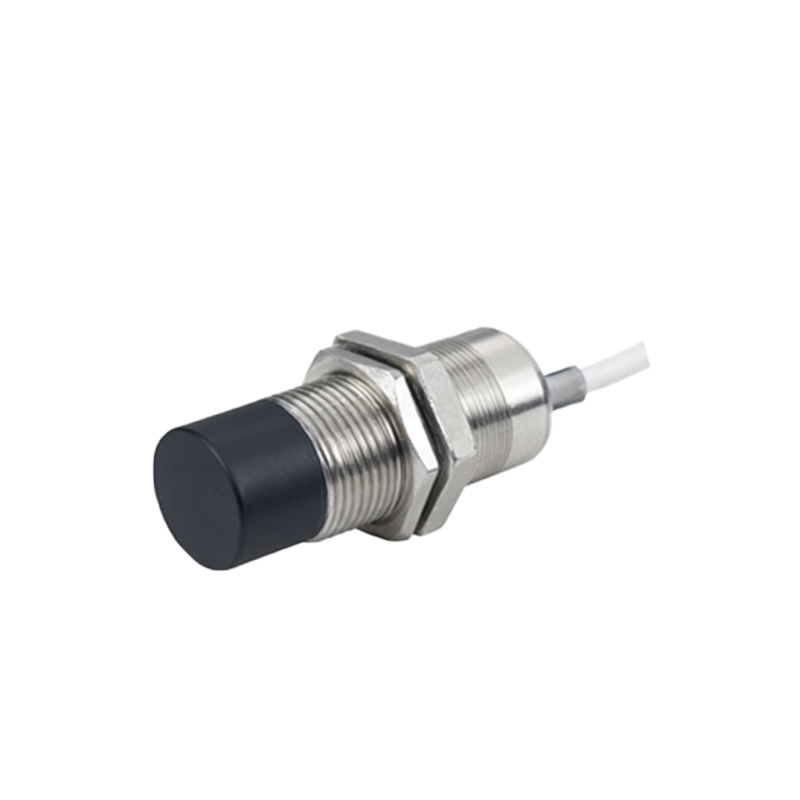
In conclusion, the advantages of new proximity sensors—ranging from improved accuracy and flexibility to energy efficiency, safety, and cost savings—are reshaping industrial automation. As technology continues to advance, these sensors will play an even more pivotal role in driving innovation and competitiveness. Engineers and industry leaders are encouraged to adopt these solutions to harness their full potential, ensuring smarter, safer, and more sustainable operations for the future.