In the realm of industrial automation, the integration of safety, precision, and ergonomic design is paramount. Proximity sensors, long established as fundamental components for non-contact object detection, have evolved significantly. A notable advancement is the development of proximity sensors with integrated seating functionality—often termed "seatable" or "mountable" proximity switches. These devices are engineered not only to detect the presence or absence of an object but also to be securely and ergonomically mounted in a fixed position, enhancing both operational reliability and installer convenience.
Traditional proximity sensors, including inductive, capacitive, and photoelectric types, detect objects within a defined sensing range without physical contact. However, their installation often requires separate mounting brackets, clamps, or custom fixtures, which can introduce points of failure, increase installation time, and complicate maintenance. The seatable proximity sensor addresses these challenges by incorporating a standardized mounting interface directly into its housing. This design typically features a threaded barrel, a quick-disconnect mechanism, or a standardized flange that allows for direct, tool-free or minimal-tool installation into a pre-machined receptacle or panel. This "plug-and-play" mounting approach ensures consistent alignment, reduces mechanical stress on the sensor body, and minimizes the risk of misalignment due to vibration or accidental impact—a common issue in dynamic industrial environments like automotive assembly lines, packaging machinery, and robotic cells.
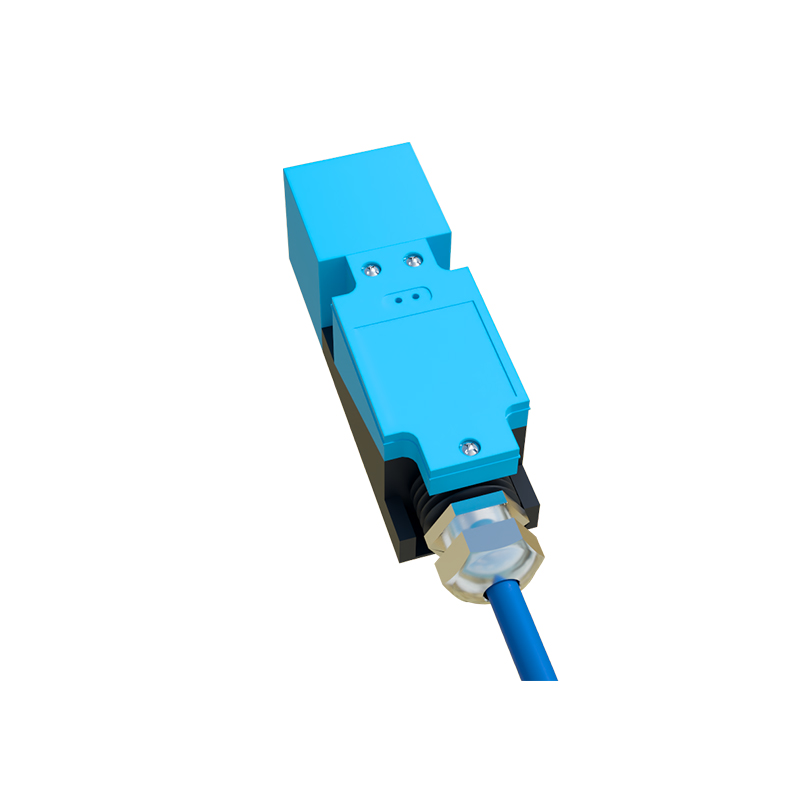
The core technological principle remains based on electromagnetic or optical fields. Inductive seatable sensors, for instance, generate an oscillating electromagnetic field to detect metallic objects. Their seated design ensures the sensing face is precisely positioned relative to the target, guaranteeing repeatable switching points and reducing false triggers. Capacitive variants, suitable for non-metallic materials like plastics, liquids, or granular substances, benefit similarly from secure mounting, which stabilizes the baseline capacitance and improves detection consistency. For harsh environments, many seatable models boast high ingress protection (IP67, IP69K) ratings and are constructed from robust materials like stainless steel or PBT plastic, ensuring durability against washdowns, chemicals, and extreme temperatures.
From a safety perspective, the seated design is crucial. In safety-critical applications—such as machine guarding, position verification in press brakes, or presence sensing in collaborative robot workspaces—a sensor that can become loose or shift poses a significant hazard. A securely seated sensor maintains its calibrated position, ensuring the safety system functions as designed. This reliability is often a requirement for compliance with international safety standards like ISO 13849 and IEC 62061. Furthermore, the design often includes features like a mounting lock (e.g., a locking nut or a bayonet-style lock) and visual indicators (LEDs) for easy status monitoring, which aid in preventive maintenance and troubleshooting.
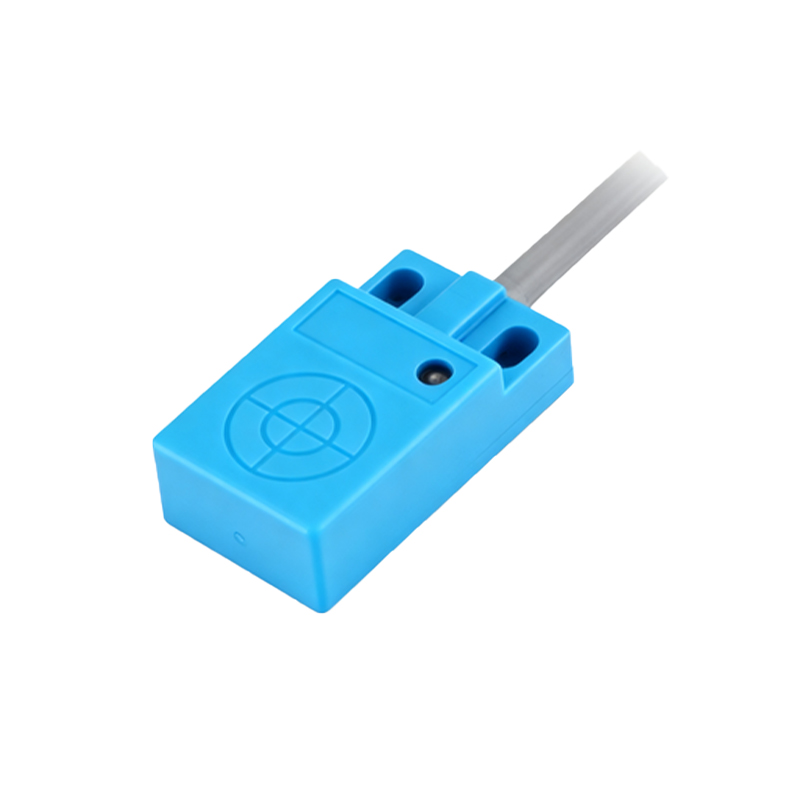
The efficiency gains are substantial. Installation time can be reduced by up to 50% compared to traditional bracket-based mounting. This translates to lower labor costs and faster machine commissioning or retrofitting. Maintenance and replacement are also streamlined; a technician can quickly unscrew or unclip a faulty unit and insert a new one without realigning complex brackets, minimizing machine downtime. For OEMs (Original Equipment Manufacturers), the standardized form factor simplifies machine design and panel layout, allowing for cleaner, more modular constructions.
Looking forward, the trend is toward greater intelligence and connectivity within the seated form factor. Sensors with IO-Link capability are becoming standard, allowing for remote parameter setting, real-time diagnostics (e.g., reporting signal strength, temperature, or contamination levels), and seamless integration into Industry 4.0 data ecosystems. This transforms the simple proximity switch from a mere binary detection device into a smart node providing valuable predictive maintenance data, all while retaining the robust, reliable seated installation.
In conclusion, the proximity sensor with seating functionality represents a sophisticated convergence of mechanical design and sensing technology. It answers the industry's growing demand for solutions that are not only highly accurate and reliable but also quick to deploy and easy to maintain. By ensuring precise, secure, and repeatable positioning, these sensors enhance the safety, efficiency, and intelligence of automated systems, solidifying their role as a critical component in modern industrial automation. Their continued evolution will likely focus on further miniaturization, enhanced communication protocols, and even more resilient designs for the factories of the future.