In the realm of industrial automation and control systems, proximity sensors stand as fundamental components, enabling machines to "sense" the presence or absence of objects without physical contact. These devices are pivotal for enhancing efficiency, safety, and precision in countless applications. This article delves into the core principles, various types, key applications, and essential selection criteria for proximity sensors.
At their essence, proximity sensors detect the presence of a target object within a specified sensing range. They operate by emitting an electromagnetic field, beam, or ultrasonic waves and then monitoring for changes in the return signal or field. The absence of physical contact means no wear and tear on the sensor or the target, leading to high reliability and long operational life. This non-contact detection is crucial in harsh environments where contamination, moisture, or mechanical stress could compromise other sensing methods.
The market offers several primary types of proximity sensors, each with distinct operating principles and ideal use cases. Inductive proximity sensors are among the most common. They generate an oscillating electromagnetic field and detect the eddy current losses caused when a metallic target enters this field. Consequently, they are exclusively for detecting metals, particularly ferrous metals like steel and iron, with some models capable of sensing non-ferrous metals like aluminum or copper at reduced ranges. They are robust, resistant to environmental factors like dust and oil, and are widely used in metal machining, automotive assembly, and material handling.
Capacitive proximity sensors, on the other hand, can detect both metallic and non-metallic materials, including liquids, plastics, glass, and wood. They function by measuring changes in capacitance between the sensor's active face and the ground. When any material with a dielectric constant different from air approaches, it alters the capacitance, triggering the sensor. This makes them versatile for applications like level detection in tanks, presence detection of plastic bottles on a conveyor, or monitoring paper or wood products.
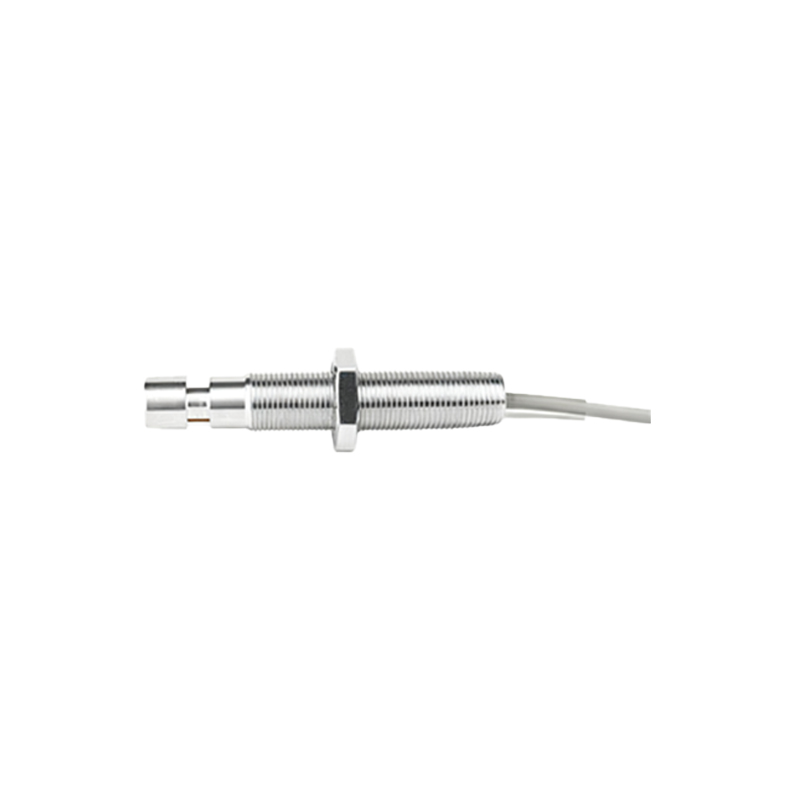
Ultrasonic proximity sensors use sound waves beyond the human hearing range. They emit ultrasonic pulses and calculate distance or presence by measuring the time it takes for the echo to return. These sensors are effective for detecting objects of virtually any material, shape, or color, and are excellent for distance measurement and level sensing in challenging conditions involving dust, fog, or varying light. Common uses include palletizing, collision avoidance on AGVs (Automated Guided Vehicles), and liquid level control.
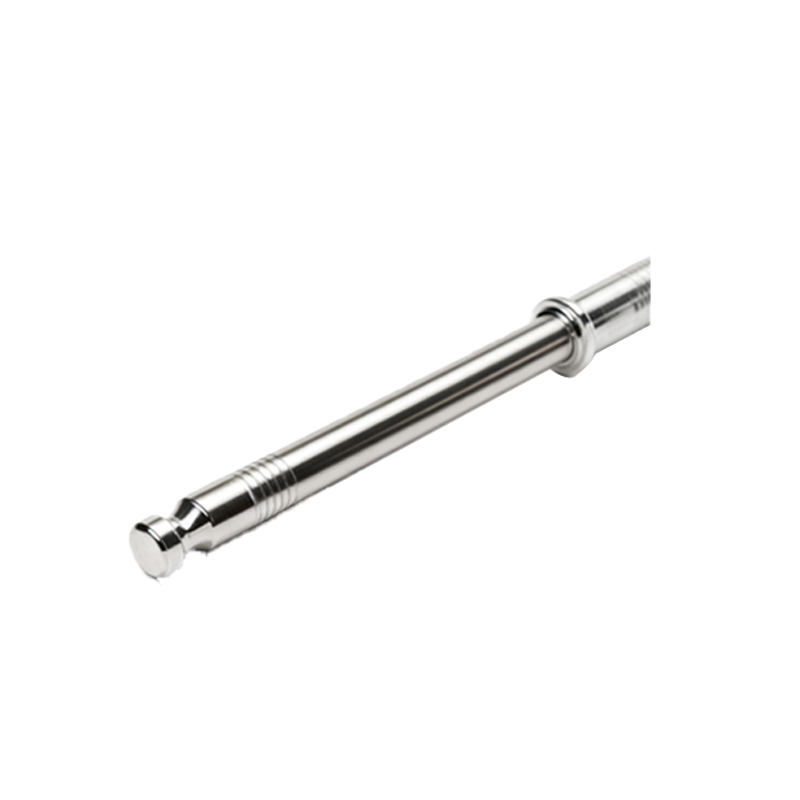
Photoelectric sensors, while sometimes categorized separately, also serve as proximity devices. They use a light beam (visible, infrared, or laser) and detect its interruption or reflection to sense an object. Diffuse reflective models, where the sensor and emitter are in one housing and detect light reflected from the target, are typical for proximity sensing. They offer longer sensing ranges than inductive or capacitive types and can detect small or intricately shaped objects, making them ideal for packaging, electronics assembly, and conveyor line counting.
Selecting the right proximity sensor requires careful consideration of several parameters. First, define the target material (metal, plastic, liquid), as this dictates the sensor type (inductive, capacitive, etc.). The required sensing distance, or "switching distance," is critical and must be chosen with a safety margin, as environmental factors and target properties can affect nominal ranges. The sensor's housing material (e.g., nickel-plated brass, stainless steel, PBT plastic) must withstand the operational environment, including exposure to chemicals, temperature extremes, washdowns, or mechanical impacts. Output configuration is another key decision; sensors typically provide digital outputs like NPN (sinking) or PNP (sourcing) transistor outputs, or analog outputs for distance-proportional signals. The choice depends on the controller's input requirements (e.g., PLC). Finally, form factor (barrel-style, rectangular, ring-shaped) and mounting considerations (flush-mounted, non-flush) must align with the physical installation constraints.
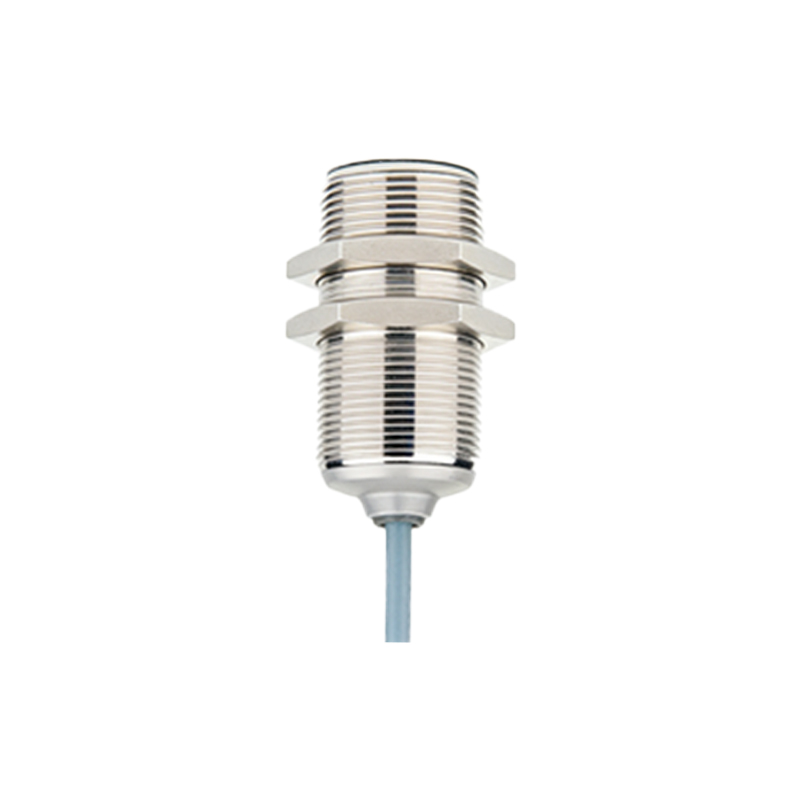
In application, proximity sensors are the silent workhorses of automation. In automotive manufacturing, inductive sensors count gears, verify piston presence, and control robotic welding arms. In food and beverage, capacitive sensors monitor liquid levels in stainless steel tanks, while ultrasonic sensors manage bulk solid levels in silos. On packaging lines, photoelectric sensors ensure correct carton placement and label verification. Their role in enabling safety interlocks on machine guards and doors is paramount for operator protection.
In conclusion, proximity sensors are indispensable for modern industrial systems. Understanding their operating principles, the strengths and limitations of each type, and the methodology for proper selection empowers engineers and technicians to design more reliable, efficient, and intelligent automated solutions. As Industry 4.0 and the Industrial Internet of Things (IIoT) advance, these sensors will continue to evolve, integrating smarter diagnostics and connectivity features, further solidifying their critical position on the factory floor.