In the fast-paced world of industrial automation and machinery, proximity sensors are the unsung heroes, providing critical non-contact detection for countless applications. From assembly lines and robotic arms to packaging machinery and safety systems, their reliability is paramount. When a sensor fails, a production line halts, leading to significant downtime and financial loss. Therefore, having direct and reliable phone contact with your proximity sensor company is not merely a convenience—it is a strategic operational necessity. This guide outlines the key reasons for maintaining this line of communication and how to effectively utilize it.
The primary value of a direct phone line lies in accessing immediate technical support. While email and online portals are useful for non-urgent queries, complex troubleshooting often requires a real-time conversation. A seasoned application engineer on the other end of the phone can guide you through diagnostic steps, interpret specific error signals from your sensor, and provide on-the-spot recommendations. For instance, if a capacitive proximity sensor is malfunctioning due to an unexpected environmental contaminant, a quick call can lead to an instant solution or a recommendation for a more suitable model, saving hours of trial and error.
Furthermore, phone contact is indispensable for urgent procurement and logistics inquiries. You may need to verify stock availability for a critical spare part, expedite a shipping method for a rush order, or get a precise delivery estimate to plan maintenance windows. A dedicated sales or customer service representative can provide these details instantly, update orders in real-time, and help navigate any supply chain complexities. This direct interaction builds a relationship that transcends a simple transactional exchange, fostering partnership and trust.
When selecting a new supplier or evaluating a sensor for a novel application, the pre-sales consultation call is invaluable. Discussing your specific requirements—such as sensing distance, target material, output type (PNP/NPN, analog, IO-Link), environmental conditions (IP rating, temperature range), and mounting constraints—with an expert ensures you select the optimal product from the start. A reputable company's engineering support team will ask detailed questions to fully understand your use case, preventing costly misapplications and ensuring system integrity from day one.
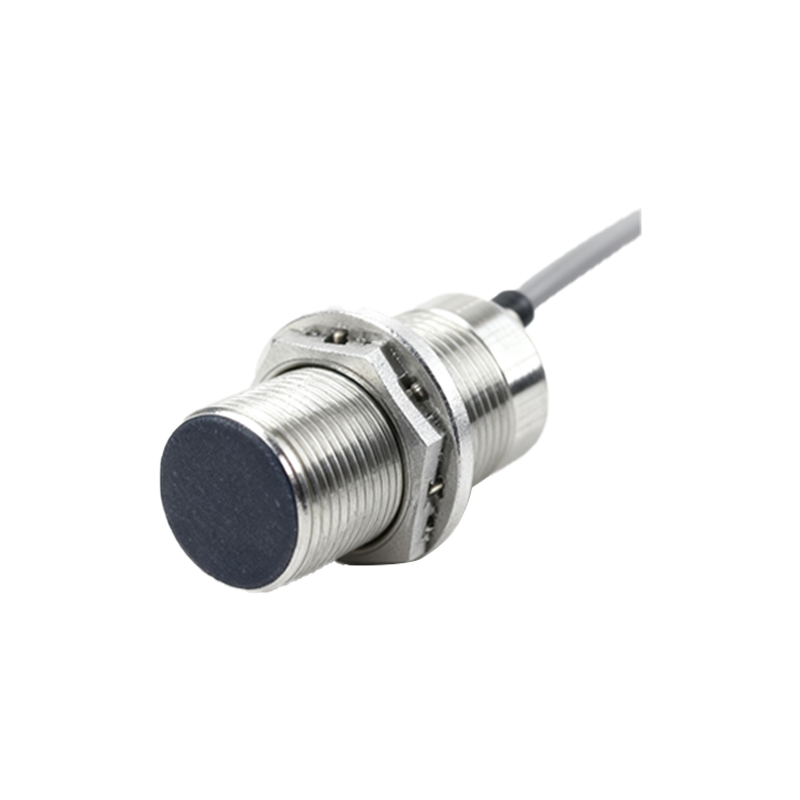
To maximize the effectiveness of your phone communication, preparation is key. Before calling, have the sensor's model number, datasheet, and any relevant machine or controller information readily available. Note the specific symptoms, error codes, and the operational context when the issue occurs. Clearly articulate your need: is it technical support, a quote request, or order status? Calling during standard business hours for your region and the company's headquarters increases the likelihood of connecting with the most knowledgeable staff.
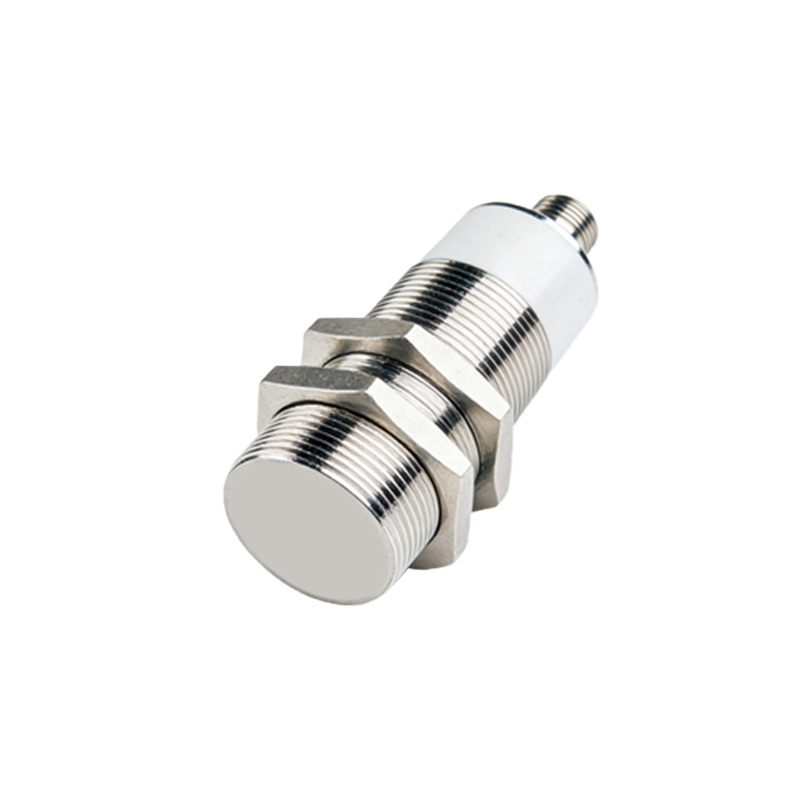
It is also wise to identify the major global and regional proximity sensor manufacturers known for their robust customer support channels. Companies like Pepperl+Fuchs, Sick, Omron, Balluff, and IFM Electronic typically maintain well-staffed technical support hotlines. Visiting their official websites will provide the most current, region-specific contact numbers. Often, these sites have dedicated "Contact" or "Support" sections listing phone numbers for different departments (technical, sales, general inquiries).
In conclusion, in the intricate ecosystem of industrial automation, the phone number of your proximity sensor company is a vital lifeline. It facilitates immediate technical resolution, accelerates procurement, and enables expert application guidance. Treating this contact as a strategic resource, and using it effectively through prepared communication, directly contributes to minimizing downtime, optimizing processes, and maintaining seamless production flow. Ensure you have the correct, up-to-date contact information for your key suppliers programmed into your operational protocols today.