M3 proximity sensors are essential components in modern industrial automation, offering reliable non-contact detection for a wide range of applications. These sensors operate based on electromagnetic principles, detecting the presence or absence of metallic objects without physical contact. The "M3" designation typically refers to the sensor's threaded housing size, which is 3mm in diameter, making them compact and suitable for space-constrained installations.
One of the primary advantages of M3 proximity sensors is their high precision and repeatability. They can detect small metallic targets with consistent accuracy, even in challenging environments with dust, oil, or vibration. This reliability minimizes downtime and maintenance costs in manufacturing processes. Common types include inductive sensors, which are ideal for ferrous metals, and capacitive variants that can detect non-metallic materials. The sensing range for M3 sensors is generally short, often up to 1.5mm, but this limitation is offset by their fast response times, typically in microseconds, enabling high-speed operations on assembly lines.
In industrial settings, M3 proximity sensors are widely used in robotics for position feedback, in CNC machines for tool alignment, and in packaging systems for object counting. Their robust construction, often featuring stainless steel or nickel-plated brass housings, ensures durability in harsh conditions. When selecting an M3 sensor, engineers must consider factors such as output type (e.g., PNP or NPN), voltage ratings, and environmental ratings like IP67 for water and dust resistance. Proper installation is crucial—sensors should be mounted securely to avoid misalignment, and nearby metallic objects should be accounted for to prevent interference.
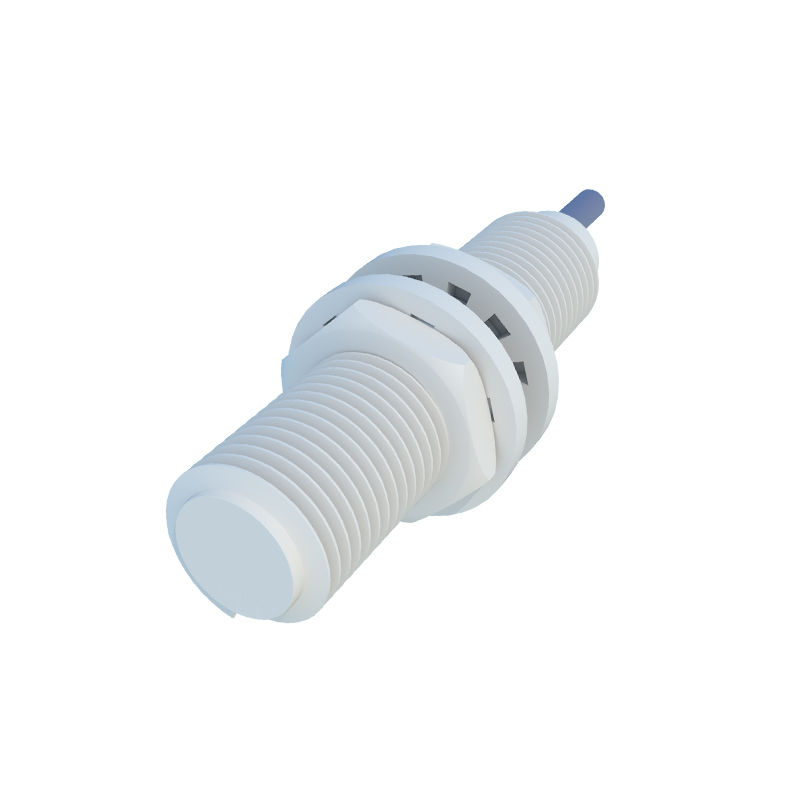
Recent advancements have led to the development of M3 sensors with enhanced features, such as IO-Link connectivity for real-time diagnostics and data exchange. This integration supports Industry 4.0 initiatives, allowing predictive maintenance and improved system monitoring. Despite their small size, M3 sensors play a critical role in ensuring efficiency and safety in automated systems. As industries continue to evolve toward smarter factories, the demand for these sensors is expected to grow, driven by their versatility and performance. Regular calibration and adherence to manufacturer guidelines can extend their lifespan, making them a cost-effective solution for long-term industrial applications.