In the dynamic world of material handling, electric forklifts stand as pivotal assets, driving productivity across warehouses, manufacturing plants, and logistics centers. A critical yet often overlooked component that ensures their seamless operation is the proximity switch sensor. These sensors are integral to the safety and efficiency of electric forklifts, providing non-contact detection of objects, personnel, and operational limits. This article delves into the functionality, types, applications, and benefits of proximity switch sensors in electric forklifts, offering insights for industry professionals seeking to optimize their equipment.
Proximity switch sensors operate on the principle of electromagnetic fields or capacitive sensing, detecting the presence or absence of a target without physical contact. In electric forklifts, they are commonly used to prevent collisions, monitor load positions, and control automated functions. For instance, inductive proximity sensors are ideal for detecting metallic objects, such as pallets or racking systems, while capacitive sensors can identify non-metallic materials like plastic or wood. This versatility allows for tailored solutions based on specific operational needs.
The primary applications of proximity sensors in electric forklifts include safety interlocks, load handling, and navigation. Safety interlocks use sensors to disable certain functions when a person or obstacle is detected within a hazardous zone, reducing the risk of accidents. In load handling, sensors ensure precise positioning of forks and attachments, minimizing damage to goods and equipment. For navigation, especially in automated guided forklifts (AGFs), proximity sensors help in obstacle avoidance and path correction, enhancing autonomous operations.
Selecting the right proximity sensor involves considering factors such as sensing range, environmental conditions, and compatibility with the forklift's electrical system. Industrial-grade sensors are designed to withstand harsh environments, including exposure to dust, moisture, and temperature fluctuations. Regular maintenance, such as cleaning sensor surfaces and checking wiring connections, is essential to prevent malfunctions. Common issues like false triggers or reduced sensitivity can often be traced to environmental interference or wear and tear, necessitating timely troubleshooting.
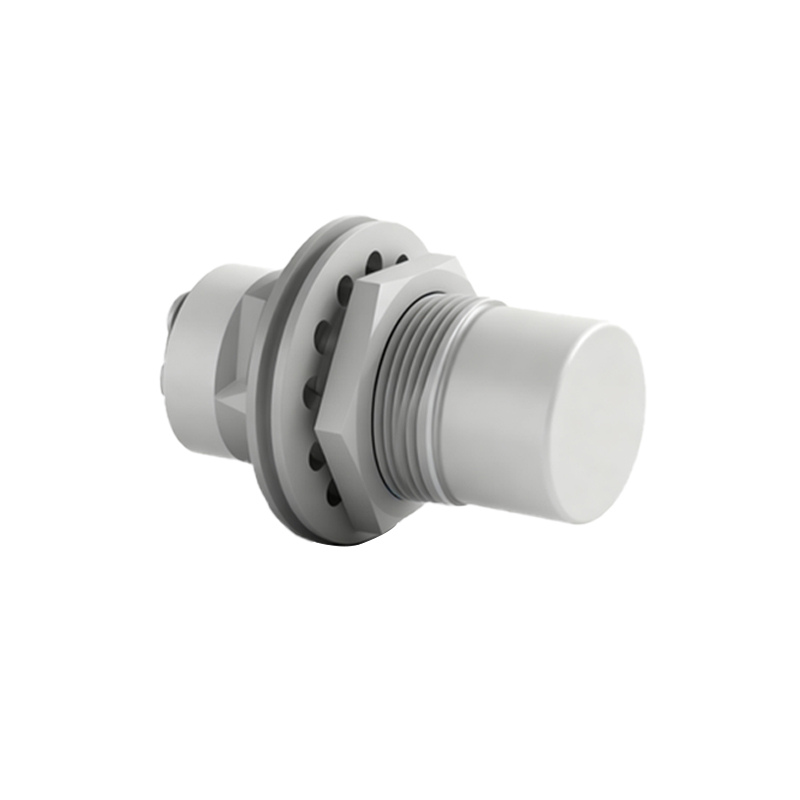
The benefits of integrating advanced proximity sensors into electric forklifts are manifold. They contribute to improved safety by reducing human error and preventing collisions, which is crucial in busy industrial settings. Efficiency gains are achieved through faster cycle times and reduced downtime, as sensors enable smoother operations and early fault detection. Moreover, with the rise of Industry 4.0, proximity sensors can be integrated into IoT systems for real-time monitoring and data analytics, allowing predictive maintenance and operational optimization.
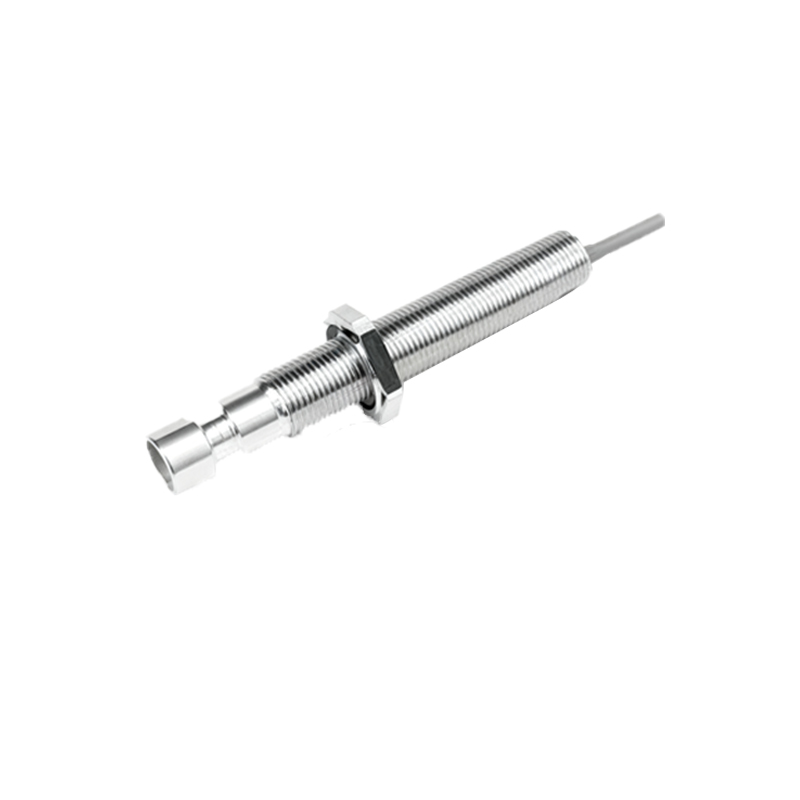
In conclusion, proximity switch sensors are indispensable components in modern electric forklifts, playing a key role in enhancing both safety and productivity. As technology evolves, innovations such as smart sensors with wireless capabilities and enhanced durability are set to further revolutionize material handling. Industry professionals should stay informed about these developments to leverage the full potential of their equipment, ensuring a competitive edge in an increasingly automated landscape. By prioritizing the selection and maintenance of proximity sensors, businesses can achieve safer, more efficient, and cost-effective operations.