In the realm of industrial automation, proximity sensors serve as the silent sentinels of production lines, enabling precise and reliable product zone detection. These non-contact electronic devices are engineered to detect the presence or absence of objects within a specified sensing range without any physical contact. Their operation hinges on the emission of an electromagnetic field or a beam of electromagnetic radiation, and the detection of changes in the field or return signal. For product zone detection, this capability is paramount, ensuring that components, assemblies, or finished goods are correctly positioned for subsequent operations such as assembly, packaging, or robotic handling.
The core principle involves the sensor generating an oscillating electromagnetic field at its sensing face. When a target object enters this field, it induces eddy currents on the metal surface or causes a change in capacitance, depending on the sensor type. This disturbance alters the oscillation amplitude, which the sensor's internal circuitry detects and converts into a clean, digital output signal. This signal then commands a control system, like a PLC (Programmable Logic Controller), to trigger the next programmed action. The beauty of this system lies in its speed and consistency; detection occurs in milliseconds and is unaffected by surface color, texture, or ambient light, making it vastly superior to traditional mechanical limit switches or photoelectric sensors in dirty or demanding environments.
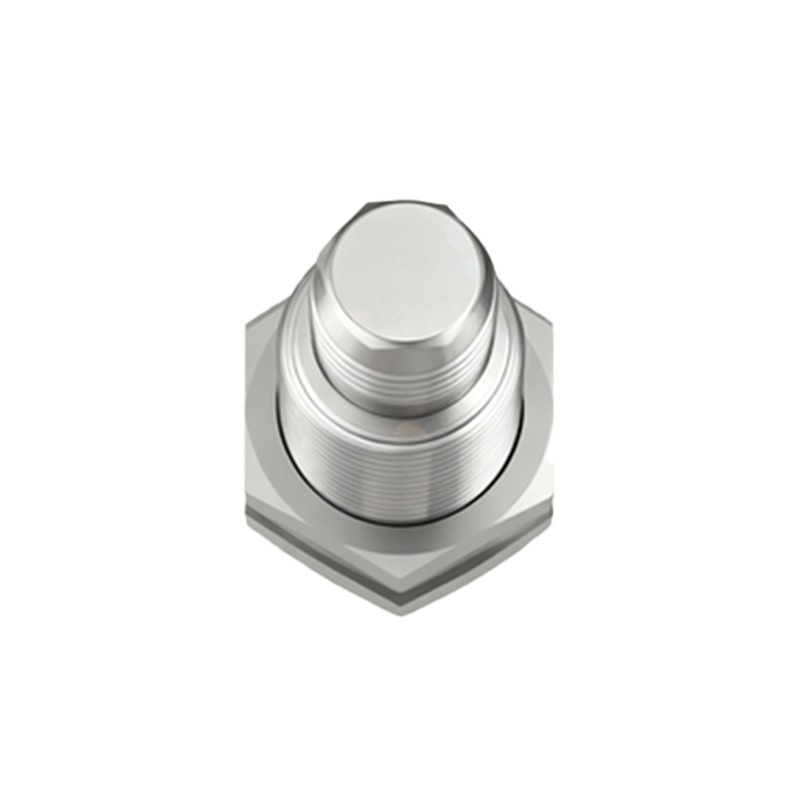
Several types of proximity sensors are deployed for zone detection, each with distinct advantages. Inductive proximity sensors are the workhorses for detecting metallic objects. They are exceptionally robust, resistant to dust, dirt, and moisture, and are ideal for detecting metal parts on conveyors or verifying the position of machine components. Capacitive proximity sensors, on the other hand, can detect both metallic and non-metallic materials, including liquids, plastics, glass, and wood. This makes them perfect for applications like detecting filled levels in containers or the presence of cardboard packages. Ultrasonic sensors use sound waves to measure distance to an object and are excellent for larger detection ranges or for sensing transparent or irregularly shaped objects that might confound other sensors.
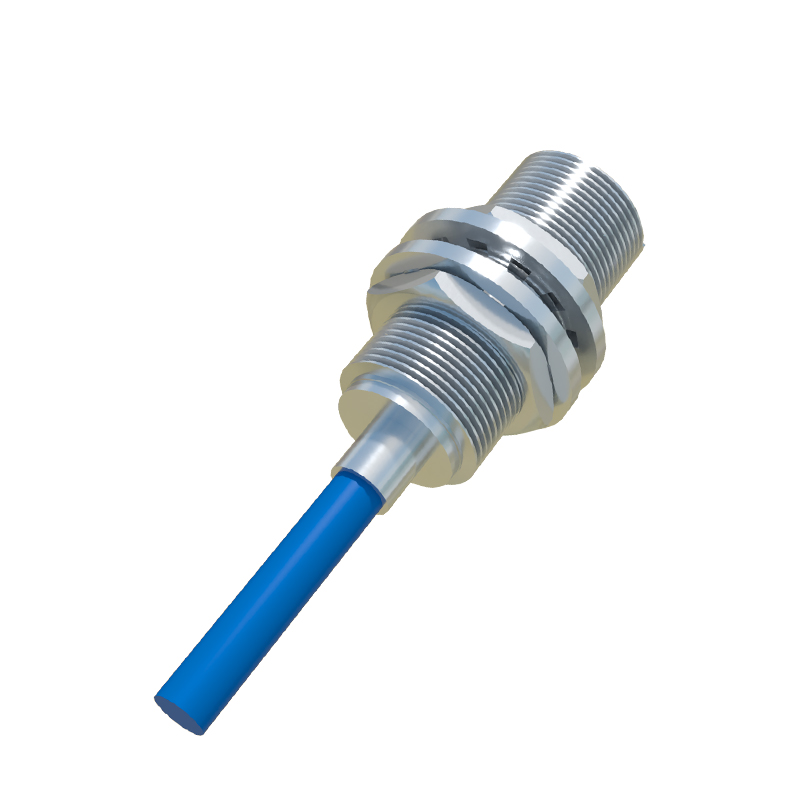
The integration of these sensors into a product zone detection system requires careful engineering. Key selection criteria include the sensing range, which must be tailored to the application's physical constraints; the target material, which dictates the sensor technology (inductive, capacitive, ultrasonic); the required output type (NPN/PNP, NO/NC); and the environmental conditions, such as temperature extremes, washdown requirements, or exposure to chemicals. Proper mounting is critical to avoid mutual interference between sensors and to ensure the target approaches the sensor correctly. Advanced sensors now feature IO-Link communication, enabling not just binary detection but also the transmission of process data like signal strength or temperature, facilitating predictive maintenance and finer process control.
In practice, a typical application might involve an array of inductive sensors along a conveyor line. Each sensor defines a specific zone. The first sensor detects the arrival of a metal workpiece, signaling the system that the zone is occupied. A downstream sensor might confirm the workpiece is correctly oriented before a robotic arm engages. Another sensor could verify the completion of an assembly step before the product proceeds to packaging. This zonal control creates a synchronized, efficient flow, minimizing bottlenecks and preventing collisions or jams.
The benefits of employing proximity sensors for product zone detection are substantial. They enhance operational safety by ensuring machinery only activates when a component is correctly positioned. They boost productivity by enabling high-speed, non-contact detection that keeps production lines moving smoothly. Their durability and minimal maintenance requirements lead to reduced downtime and lower total cost of ownership. Furthermore, the data from smart sensors contributes to Industry 4.0 initiatives, providing valuable insights for optimizing the entire manufacturing process.
As automation evolves towards greater flexibility and intelligence, proximity sensors continue to advance. Modern designs are becoming smaller, more precise, and more integrated with network systems. The future points towards sensors with embedded intelligence that can self-diagnose, self-calibrate, and communicate seamlessly within the Industrial Internet of Things (IIoT) ecosystem. For any engineer designing a robust and efficient automated system, a deep understanding of proximity sensor technology for accurate product zone detection remains an indispensable competency.