In modern industrial and commercial facilities, water leak detection has evolved from a passive maintenance task to a critical component of operational integrity and risk management. Among the various technologies available, proximity water leak sensors stand out for their reliability, precision, and integration capabilities. As an electrical engineer specializing in building systems or industrial automation, understanding the principles, applications, and implementation strategies of these sensors is essential. This article delves into the technical aspects of proximity leak sensors, offering insights tailored to professionals in the electrical field.
Proximity water leak sensors operate on the principle of detecting changes in electrical conductivity or capacitance when water comes into contact with their sensing elements. Unlike traditional float switches or spot detectors, proximity sensors are designed to identify the presence of water without direct immersion, often using exposed probes or cables that react to moisture. The core mechanism involves a low-voltage circuit that monitors resistance or capacitance between electrodes. In a dry state, the circuit maintains a baseline reading. When water bridges the electrodes, it creates a conductive path, altering the electrical properties and triggering an alarm signal. This non-invasive approach allows for early detection, minimizing potential damage from leaks in hard-to-reach areas such as under raised floors, behind walls, or near critical machinery.
From an electrical engineering perspective, the integration of proximity leak sensors into broader systems requires attention to several key factors. First, power supply considerations are paramount. Most sensors operate on low DC voltages (e.g., 5V to 24V DC), making them compatible with standard control panels and PLCs (Programmable Logic Controllers). Engineers must ensure proper isolation and surge protection to prevent false alarms from electrical noise or voltage spikes, especially in industrial environments with heavy machinery. Second, output signals vary by model, including dry contact relays, analog voltage outputs, or digital communication protocols like Modbus, BACnet, or IoT-enabled wireless interfaces. Selecting the right output depends on the existing infrastructure—for instance, a building management system (BMS) may require Modbus integration for centralized monitoring, while a standalone alarm might use relay contacts to activate pumps or shut off valves.
Installation best practices emphasize strategic placement and environmental durability. Proximity sensors are often deployed in high-risk zones such as data centers, electrical rooms, HVAC units, and plumbing junctions. When installing sensing cables, engineers should route them along potential leak paths, ensuring full coverage without gaps. It's crucial to avoid areas with condensation or high humidity unless the sensor is calibrated for such conditions, as this could lead to nuisance tripping. Additionally, sensor materials must resist corrosion and chemical exposure; many industrial-grade models feature stainless steel probes or polymer-coated cables for longevity. Electrical grounding and shielding are also vital to mitigate interference from nearby AC lines or motor drives, which can compromise sensor accuracy.
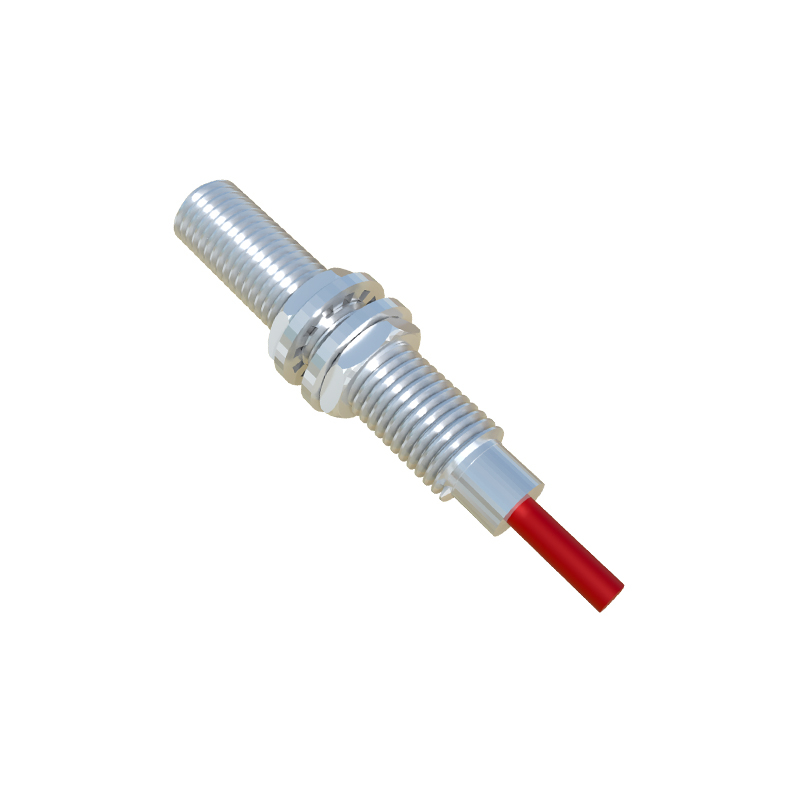
The advantages of proximity water leak sensors are multifaceted. They offer rapid response times, often detecting moisture within seconds, which is critical for protecting sensitive equipment like servers, transformers, or production lines. Their modular design allows for scalable deployment—single-point sensors for localized monitoring or linear sensing cables for expansive areas. Moreover, modern sensors incorporate self-diagnostic functions, alerting maintenance teams to sensor faults or wiring issues before failures occur. From a cost-benefit standpoint, early leak detection can prevent catastrophic losses, including equipment downtime, data corruption, and structural damage, aligning with the electrical engineer's role in ensuring system resilience and compliance with safety standards like NFPA or IEC codes.
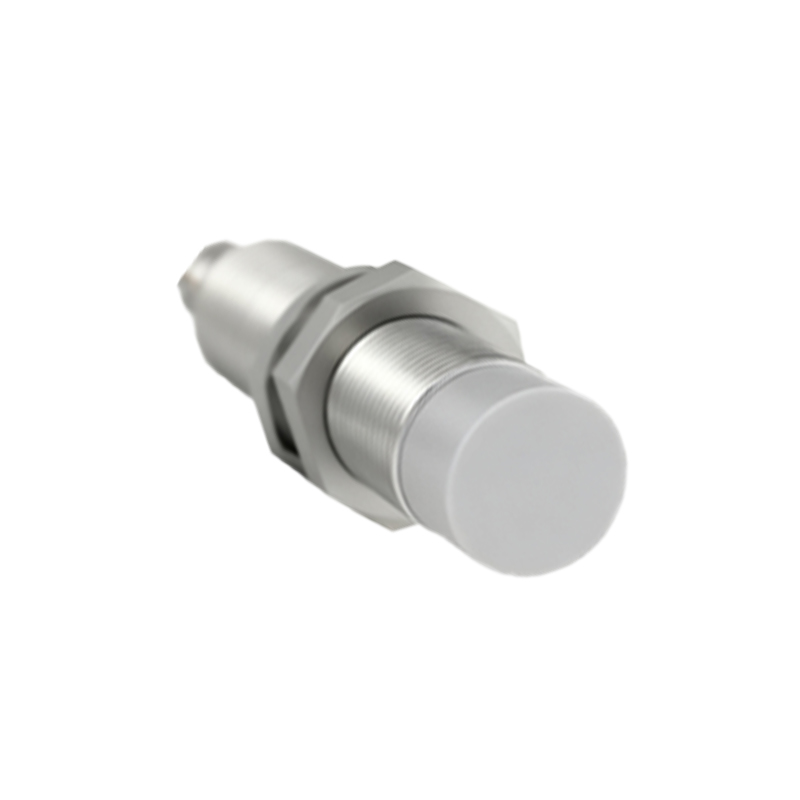
Looking ahead, trends in proximity leak detection are leaning toward smart integration and predictive analytics. IoT-enabled sensors now feed data into cloud platforms, enabling real-time alerts via mobile apps and historical trend analysis for proactive maintenance. Electrical engineers can leverage these advancements to design interconnected systems where leak sensors communicate with other building automation components, such as lighting controls or fire alarms, creating a holistic safety network. However, challenges remain, including cybersecurity risks for networked sensors and the need for regular calibration to maintain sensitivity.
In conclusion, proximity water leak sensors represent a sophisticated tool in the electrical engineer's arsenal, blending fundamental electrical principles with practical application. By mastering their operation, integration, and maintenance, professionals can enhance facility safety, optimize operational efficiency, and contribute to sustainable resource management. As technology advances, staying informed on sensor innovations will be key to addressing the evolving demands of modern infrastructure.