In the realm of industrial automation and machinery, proximity photoelectric sensors play a pivotal role in ensuring precision, safety, and efficiency. Among the diverse range of sensors available, the 30 series proximity photoelectric sensor stands out as a robust and versatile solution for numerous detection tasks. This article delves into the technical aspects, operational principles, and practical applications of this widely adopted sensor, providing valuable insights for engineers and technicians.
The 30 proximity photoelectric sensor operates on the fundamental principle of converting light signals into electrical outputs. It typically consists of an emitter, which projects a light beam (often infrared, red, or laser light), and a receiver that detects the presence or absence of this beam. When an object enters the sensing field, it either reflects the light back to the receiver (in reflective models) or interrupts the beam between separate emitter and receiver units (in through-beam models). This change in light reception triggers a switching signal, which can be used to control machinery, count objects, or signal a positional change.
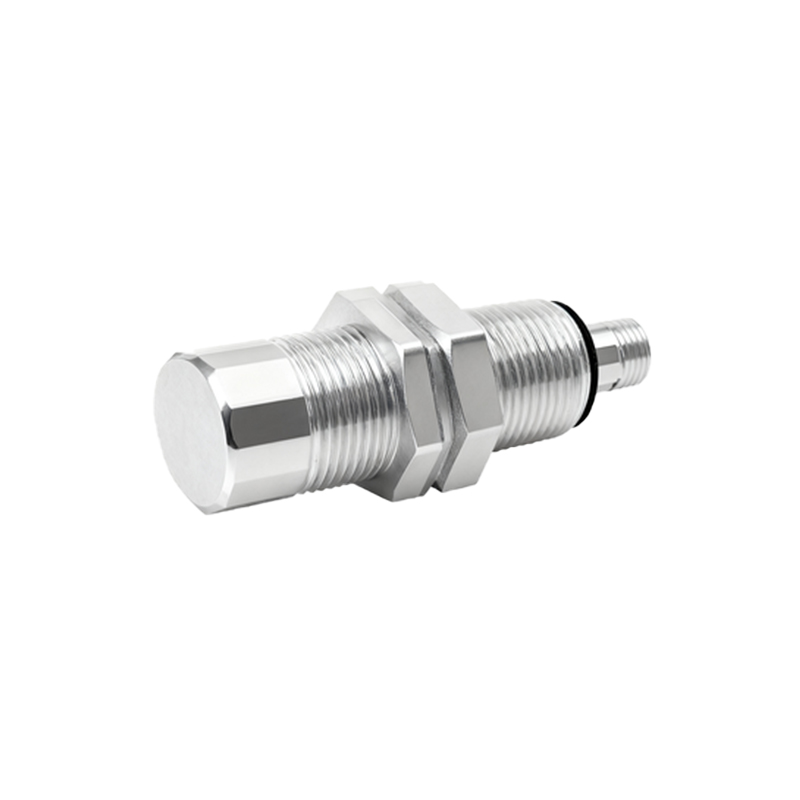
One of the defining characteristics of the 30 series is its standardized sensing distance, often up to 30 centimeters, though specific models may vary. This range makes it suitable for medium-range detection applications where precise positioning is required without direct contact. The sensor housing is typically designed to meet IP67 or higher ingress protection ratings, ensuring reliable operation in harsh industrial environments characterized by dust, moisture, and vibration. Common output configurations include NPN, PNP, or analog outputs (4-20mA or 0-10V), allowing for seamless integration with Programmable Logic Controllers (PLCs) and other control systems.
The selection of a 30 proximity photoelectric sensor depends heavily on the application requirements. Key factors to consider include the sensing mode (diffuse reflective, retro-reflective, or through-beam), the material and color of the target object, environmental conditions (ambient light, contaminants), and required response time. For instance, a through-beam sensor offers the longest sensing range and highest accuracy for detecting opaque objects on a conveyor line, while a diffuse reflective sensor with background suppression is ideal for detecting objects at a fixed distance, ignoring more distant backgrounds.
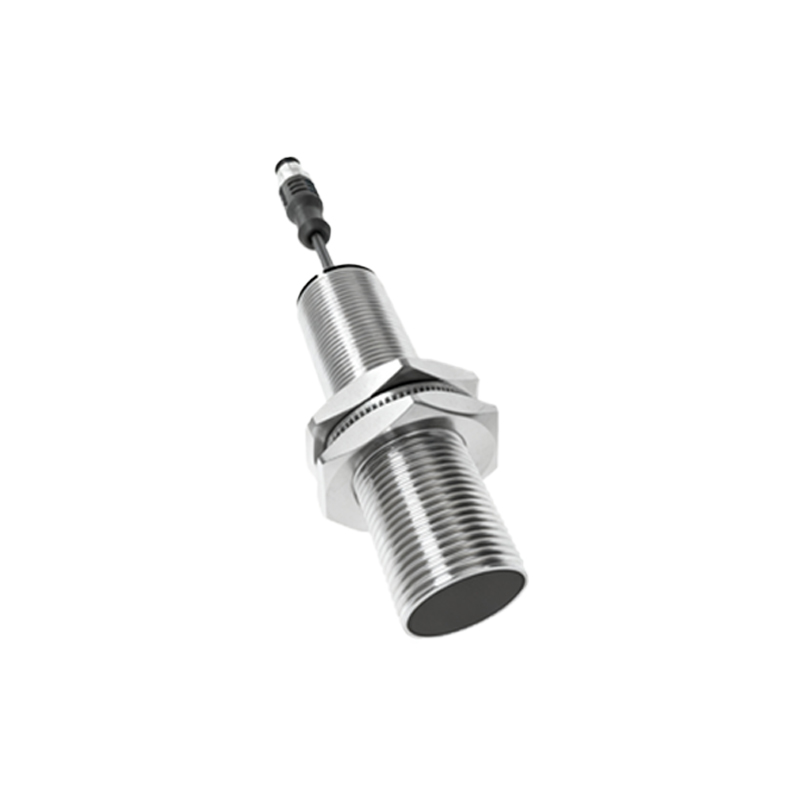
In practical industrial settings, these sensors are indispensable. They are extensively used in packaging machinery for detecting product presence or correct positioning, in automotive assembly lines for part verification, in material handling systems for object counting and jam detection, and in automated storage and retrieval systems for pallet positioning. Their non-contact nature eliminates mechanical wear, leading to longer service life and reduced maintenance compared to mechanical limit switches.
Installation and alignment are critical for optimal performance. Proper mounting ensures the sensor is stable and correctly oriented toward the target. Regular maintenance, such as cleaning the lens to prevent buildup of dirt or debris that could scatter or block the light beam, is essential. Many modern 30 series sensors feature built-in diagnostics, such as LED indicators for power, output status, and signal strength, which aid in troubleshooting and setup.
Advancements in sensor technology have further enhanced the capabilities of the 30 proximity photoelectric sensor. Features like adjustable sensing ranges via potentiometers or teach-in functions, high-speed response for rapid production lines, and resistance to optical interference from ambient light are now common. Some models also incorporate IO-Link communication, enabling digital parameter setting, remote monitoring, and predictive maintenance data exchange within Industry 4.0 frameworks.
In conclusion, the 30 proximity photoelectric sensor is a fundamental component in modern industrial automation. Its reliability, versatility, and non-contact operation make it a preferred choice for engineers seeking to improve system accuracy and operational uptime. By understanding its working principles, selection criteria, and application best practices, professionals can effectively leverage this technology to solve complex detection challenges across various sectors, from manufacturing and logistics to food processing and pharmaceuticals.