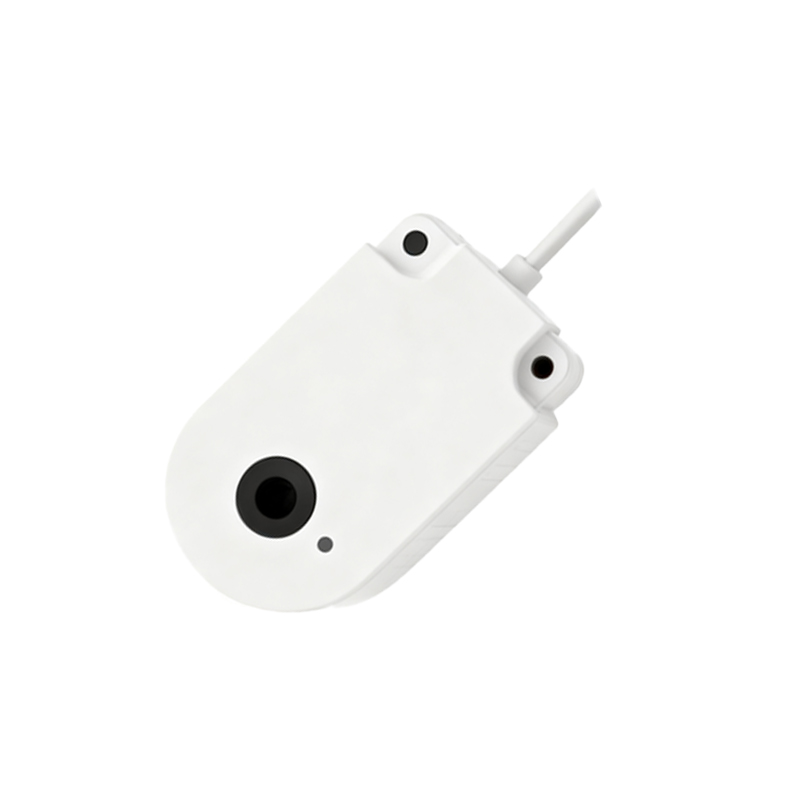
In the rapidly evolving landscape of industrial automation, miniature proximity sensors have emerged as critical components due to their compact design and reliable performance. These sensors are engineered to detect the presence or absence of objects without physical contact, making them indispensable in applications where precision and durability are paramount. The structural features of these sensors are meticulously designed to meet the demands of modern manufacturing environments, ensuring high efficiency and longevity.
One of the most notable structural characteristics of miniature proximity sensors is their housing material. Typically constructed from robust materials such as stainless steel, brass, or high-grade plastics, the housing provides essential protection against environmental factors like dust, moisture, and chemical exposure. This rugged construction allows the sensors to operate reliably in harsh conditions, including high-temperature settings or areas with significant vibration. The compact size, often ranging from a few millimeters to a couple of centimeters in diameter, enables installation in space-constrained locations without compromising functionality.
Internally, the core components include a sensing element, oscillator circuit, and output switching mechanism. The sensing element, usually based on inductive, capacitive, or magnetic principles, generates an electromagnetic field. When a target object enters this field, it causes a change in oscillation amplitude or frequency, which is detected by the circuit. For inductive sensors, which are common in metal detection applications, a coil wound around a ferrite core is used to create the field. Capacitive sensors, on the other hand, utilize electrode plates to sense materials like liquids or plastics by measuring changes in capacitance. The output stage often incorporates solid-state switches, such as transistors or triacs, providing fast response times and eliminating mechanical wear associated with traditional relays.
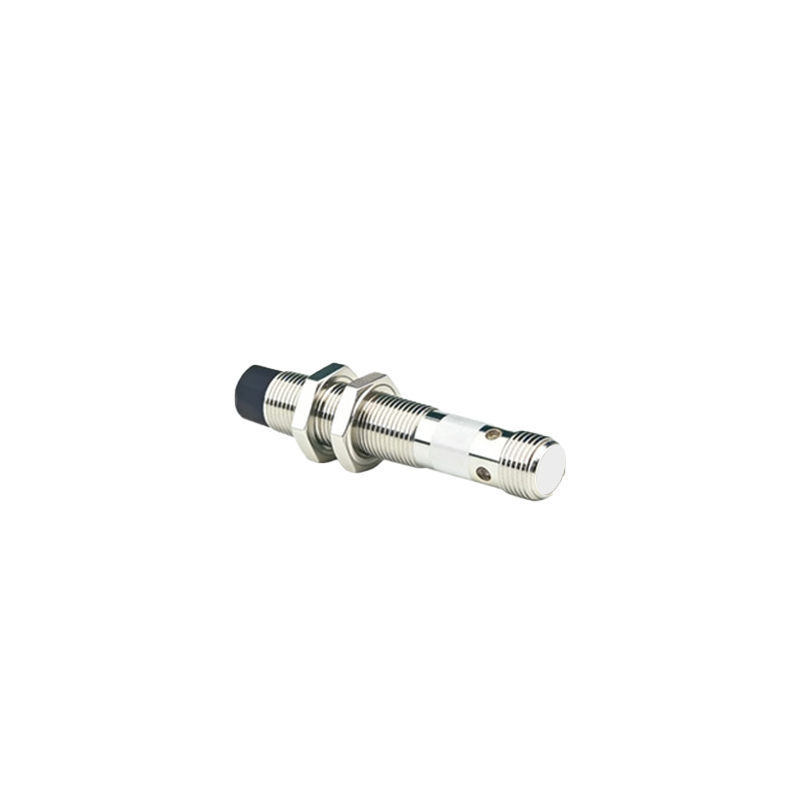
Another key structural feature is the sensing face design, which influences detection range and accuracy. Miniature sensors are available in shielded (flush-mountable) or unshielded (non-flush) configurations. Shielded sensors have a metal ring surrounding the sensing area, allowing them to be embedded in metal surfaces without interference, though with a slightly reduced sensing distance. Unshielded sensors offer longer ranges but require careful installation to avoid false triggers from surrounding metals. Additionally, many models feature LED indicators for status monitoring, aiding in troubleshooting and maintenance.
The wiring and connection methods also play a vital role in the sensor's structure. Common options include pre-wired cables with connectors like M8 or M12, which simplify installation and enhance reliability in dynamic setups. Some sensors offer quick-disconnect capabilities, enabling easy replacement without rewiring. The electrical interfaces typically support DC or AC voltages, with outputs configured as normally open (NO) or normally closed (NC) to suit various control systems. Advanced versions may include programmable features, such as adjustable sensing distances or time delays, integrated into their compact frames.
In terms of performance, the structural integrity of miniature proximity sensors ensures consistent operation with high repeatability. They are designed to withstand mechanical stresses, such as shock and impact, while maintaining precise detection thresholds. The sealing ratings, often meeting IP67 or higher standards, guarantee protection against ingress, making them suitable for washdown environments in food processing or pharmaceutical industries. Furthermore, their low power consumption and compatibility with PLCs (Programmable Logic Controllers) enhance energy efficiency and system integration.
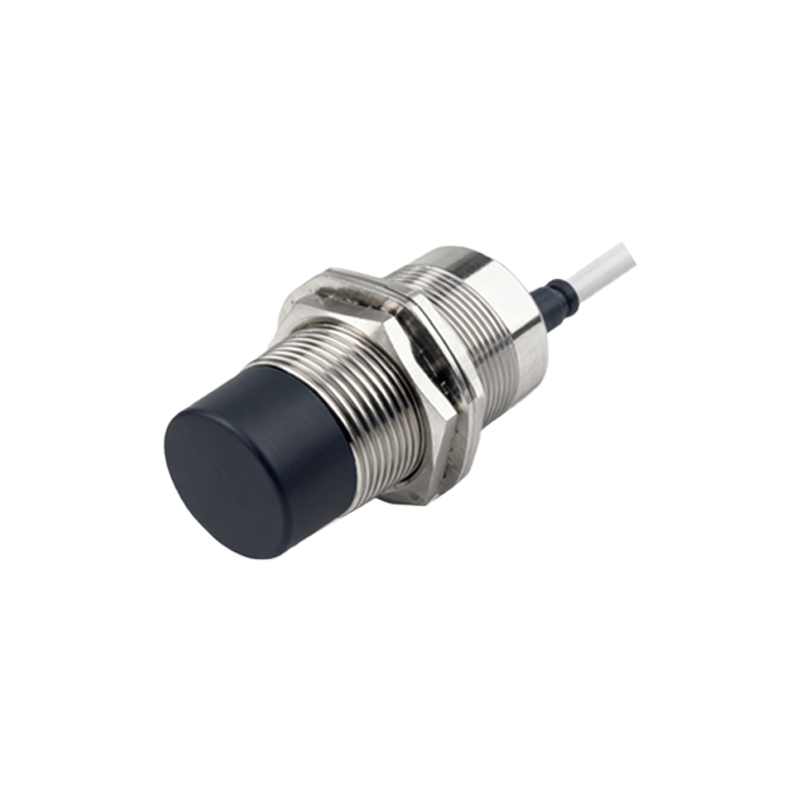
As industries continue to adopt smarter and more flexible automation solutions, the evolution of miniature proximity sensor structures focuses on enhancing miniaturization without sacrificing capability. Innovations like embedded microprocessors and IoT connectivity are being incorporated into tiny form factors, enabling predictive maintenance and real-time data analytics. These advancements underscore the importance of thoughtful structural design in meeting future challenges, from robotics to automotive assembly lines.
In summary, the structural features of miniature proximity sensors—from durable housings and precise sensing elements to versatile wiring options—are tailored to deliver reliability in diverse applications. Their compactness, coupled with robust engineering, makes them a cornerstone of modern industrial systems, driving efficiency and innovation across sectors.