In the realm of industrial automation, proximity sensors and switch sensors are fundamental components that enable precise control, safety, and efficiency. These devices detect the presence or absence of objects without physical contact, making them indispensable in various applications from manufacturing lines to robotics. This article delves into their working principles, types, and key considerations for selection and implementation.
Proximity sensors operate by emitting an electromagnetic field or a beam of radiation and detecting changes in the field or return signal. Common types include inductive, capacitive, and photoelectric sensors. Inductive proximity sensors are ideal for detecting metallic objects, utilizing a coil and oscillator to generate a magnetic field. When a metal target enters this field, it induces eddy currents, causing a change in oscillation amplitude that triggers the sensor output. These sensors are widely used in metal detection tasks, such as in automotive assembly or conveyor systems, due to their durability and resistance to environmental factors like dust or moisture.
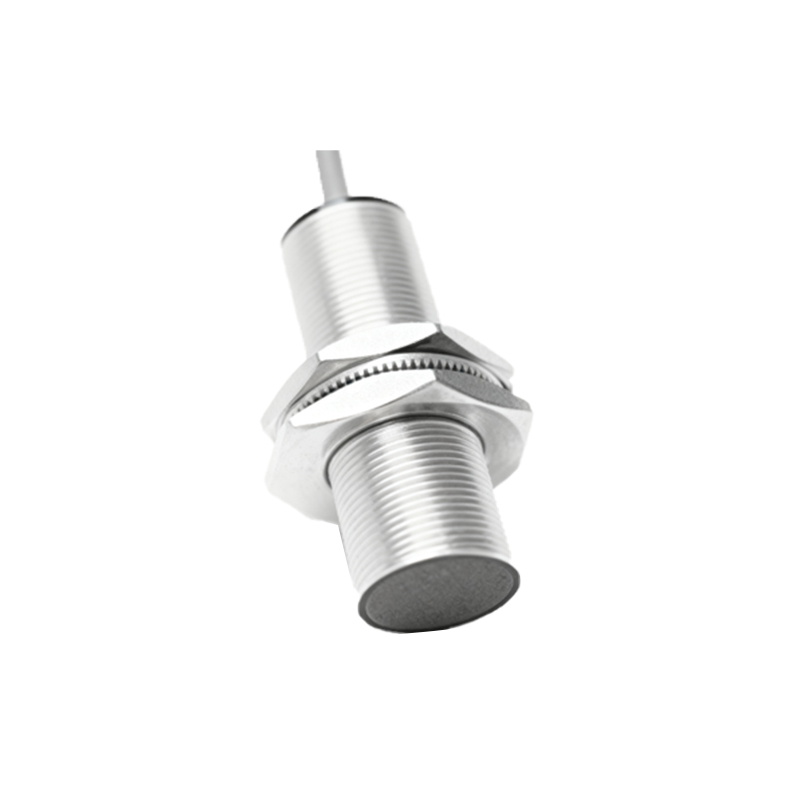
Capacitive proximity sensors, on the other hand, can detect both metallic and non-metallic materials, including liquids and plastics. They function by measuring changes in capacitance between the sensor and the target object. When an object approaches, it alters the dielectric constant, leading to a shift in capacitance that activates the sensor. This versatility makes capacitive sensors suitable for level detection in tanks, material handling, and packaging industries. However, they may be sensitive to environmental conditions like humidity, requiring careful calibration.
Photoelectric sensors use light beams, typically infrared or laser, to detect objects. They consist of an emitter and a receiver; when an object interrupts or reflects the light beam, the sensor responds accordingly. These sensors offer long detection ranges and high precision, making them ideal for applications such as object counting, positioning, and safety barriers in automated systems. Despite their advantages, photoelectric sensors can be affected by ambient light or opaque materials, necessitating proper shielding and setup.
Switch sensors, often referred to as limit switches or mechanical proximity switches, are contact-based devices that activate when physically touched by an object. They are simple, reliable, and cost-effective, commonly used for position sensing in machinery, door controls, and safety interlocks. Unlike non-contact proximity sensors, switch sensors involve moving parts, which may lead to wear and tear over time. However, their straightforward design makes them easy to install and maintain in harsh environments where electronic sensors might fail.
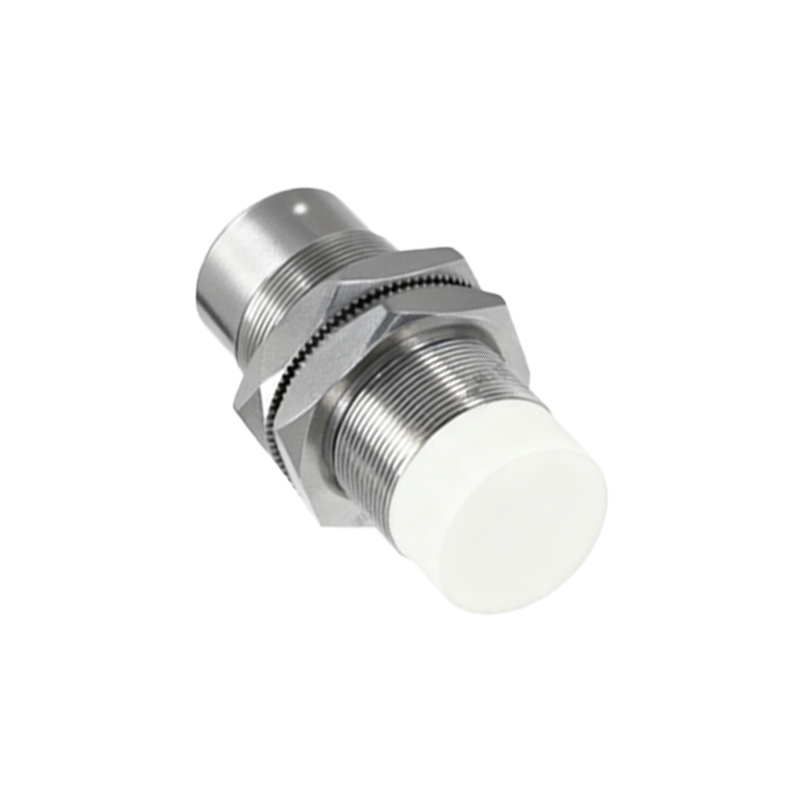
When selecting between proximity sensors and switch sensors, engineers must consider factors such as detection range, target material, environmental conditions, and cost. Proximity sensors excel in non-contact applications requiring high speed and longevity, while switch sensors are preferred for rugged, low-cost scenarios where physical contact is acceptable. Integration into control systems, such as PLCs (Programmable Logic Controllers), requires attention to output types (e.g., NPN, PNP, or analog) and wiring configurations to ensure compatibility and reliability.
In practice, proper installation and maintenance are crucial for optimal performance. For proximity sensors, factors like mounting distance, shielding, and interference from other electrical devices must be managed. Regular testing and calibration can prevent false triggers or failures, especially in critical operations. Switch sensors should be inspected for mechanical wear and aligned correctly to avoid misalignment issues.
Advancements in sensor technology continue to enhance their capabilities, with innovations like IO-Link communication enabling smart sensors that provide diagnostic data and remote configuration. These developments support Industry 4.0 initiatives, promoting interconnected and efficient automation systems. As industries evolve, the role of proximity and switch sensors will expand, driving improvements in productivity and safety.
Overall, understanding the nuances of these sensors empowers engineers to design robust automation solutions. By matching sensor characteristics to application needs, businesses can achieve higher accuracy, reduced downtime, and cost savings, ultimately contributing to a more automated and intelligent industrial landscape.