Proximity switch sensors are fundamental components in modern industrial automation, offering non-contact detection of metallic and non-metallic objects. This article, accompanied by a detailed explanatory video, delves into the operational principles, types, and practical applications of these critical devices. Understanding how proximity sensors function can significantly enhance system reliability and efficiency in manufacturing, packaging, and material handling sectors.
The core working principle of a proximity sensor involves generating an electromagnetic field or a beam of radiation. When a target object enters this field, it causes a change in the sensor's oscillation amplitude or signal reflection. This change is detected and converted into an electrical output signal, typically a switch closure or an analog voltage. The primary advantage is the absence of physical contact, which eliminates mechanical wear and allows for high-speed operation and long service life. There are several main types of proximity sensors, each suited for specific applications. Inductive proximity sensors are the most common, designed to detect ferrous and non-ferrous metals. They generate an oscillating electromagnetic field from a coil and ferrite core. The presence of a metallic object within the sensing range induces eddy currents, dampening the oscillation and triggering the output circuit. These sensors are ideal for harsh industrial environments due to their robustness and resistance to dust, oil, and moisture.
Capacitive proximity sensors can detect both metallic and non-metallic materials, such as liquids, plastics, or wood. They function by measuring changes in capacitance between the sensor's electrode and the target. When an object approaches, it alters the dielectric constant of the surrounding space, increasing capacitance and activating the switch. This makes them versatile for applications like level detection in tanks or presence sensing of non-metallic containers. Ultrasonic proximity sensors use sound waves beyond human hearing. They emit high-frequency pulses and measure the time taken for the echo to return from a target. The distance to the object is calculated based on the speed of sound. These sensors are excellent for detecting objects regardless of color, transparency, or material, and are often used in challenging conditions with dust or vapor.
Photoelectric sensors, another key category, operate by emitting a light beam (visible, infrared, or laser) and detecting its reflection or interruption. They are subdivided into through-beam, retro-reflective, and diffuse-reflective types. While not always classified strictly as "proximity" switches, they serve similar non-contact detection roles over longer ranges and are crucial for precision positioning and object counting. The accompanying video demonstration visually breaks down these principles. It shows an inductive sensor mounted on a conveyor system, detecting metal components as they pass by. The video highlights the sensor's LED indicator, which illuminates upon detection, and the corresponding signal sent to a PLC (Programmable Logic Controller) to trigger subsequent actions, like sorting or robotic pickup. For capacitive sensors, the video illustrates level control in a liquid storage tank, where the sensor detects the liquid surface without direct contact. Ultrasonic sensor footage demonstrates distance measurement for stacking applications, ensuring consistent pallet height.
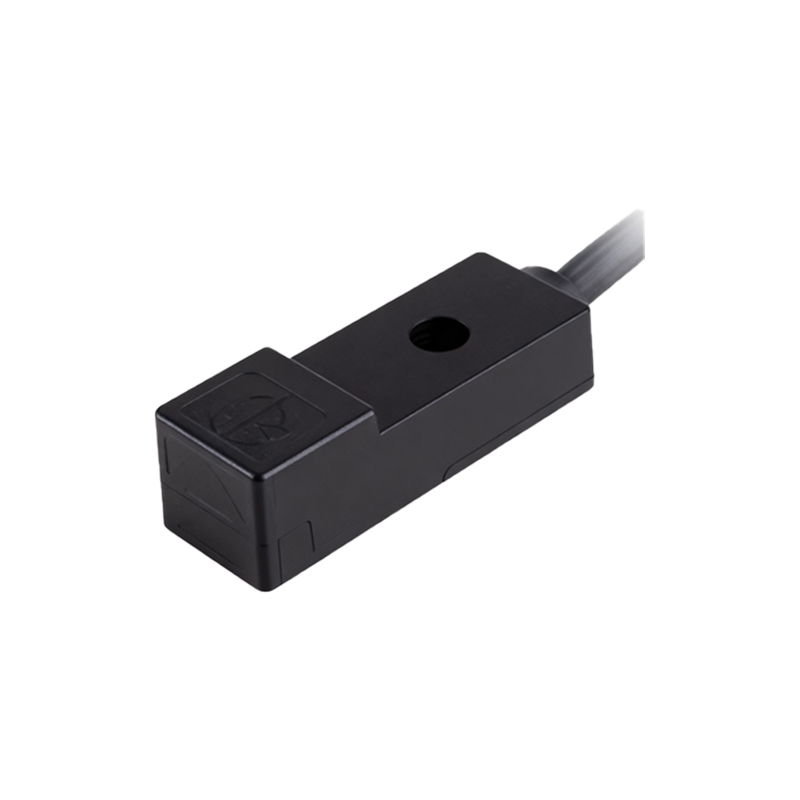
Key selection criteria are also covered. Engineers must consider factors like sensing distance, which varies by sensor type and target material; output type (PNP/NPN, NO/NC); environmental conditions such as temperature and potential chemical exposure; and installation requirements, including embeddable or non-embeddable designs. Proper shielding and mounting are essential to avoid interference from adjacent metal or other sensors. Maintenance practices are straightforward but vital. Regular cleaning of the sensor face prevents false triggers from accumulated debris. Checking for physical damage and verifying electrical connections ensures continuous operation. The video concludes with troubleshooting tips, such as using a multimeter to test output signals and adjusting sensitivity potentiometers if available.
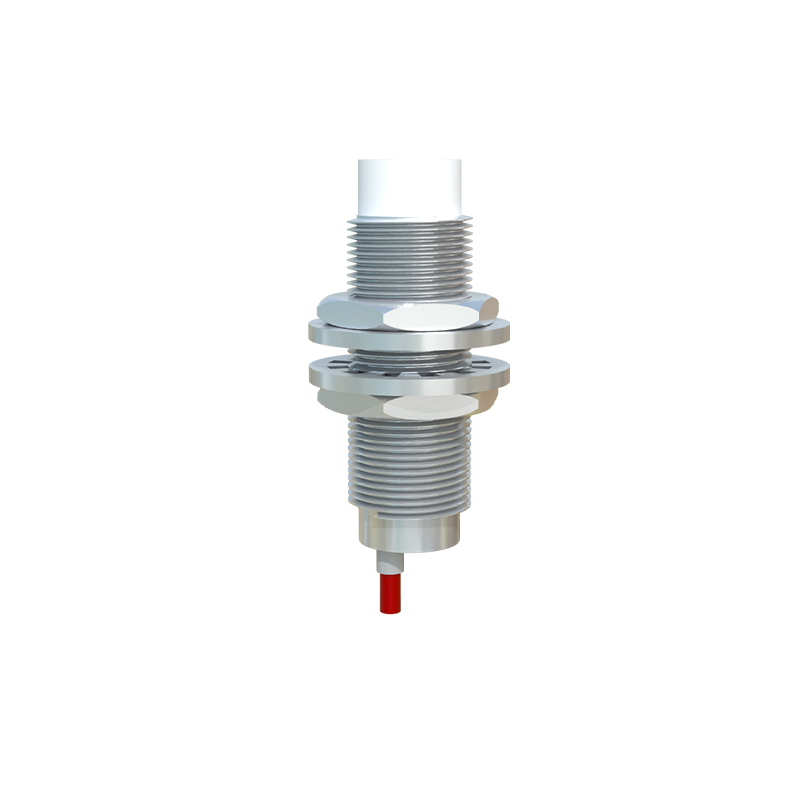
In summary, proximity switch sensors are indispensable for automated systems, providing reliable, wear-free object detection. By selecting the appropriate type—inductive, capacitive, ultrasonic, or photoelectric—based on the target material and application needs, engineers can optimize performance and minimize downtime. The visual guide reinforces these concepts, offering a practical resource for both seasoned professionals and newcomers to industrial automation.