In the realm of industrial automation and electronic systems, proximity light sensors stand as a cornerstone technology for non-contact detection and measurement. Fundamentally, a proximity light sensor is an electronic device that detects the presence or absence of an object within a specific range without any physical contact. It operates by emitting a beam of light—typically infrared (IR), visible, or laser light—and then measuring the properties of the light that returns to its receiver. The core principle hinges on the interaction between the emitted light and the target object.
The operational mechanism can be broadly categorized into two primary types: through-beam and reflective. A through-beam sensor, also known as a opposed-mode sensor, consists of separate, aligned emitter and receiver units. The detection occurs when an object interrupts the light beam traveling from the emitter to the receiver. This type offers the longest sensing ranges and high reliability, as it is less affected by the object's color, texture, or reflectivity. Conversely, a reflective sensor houses both the emitter and receiver in a single housing. It detects an object when the emitted light reflects off the object's surface and returns to the receiver. Reflective sensors are further divided into diffuse-reflective and retro-reflective subtypes. Diffuse-reflective sensors rely on the light directly bouncing back from the object itself, making their effective range dependent on the object's reflectivity. Retro-reflective sensors use a dedicated reflector; the beam returns to the receiver via this reflector, and detection happens when an object breaks this reflected beam.
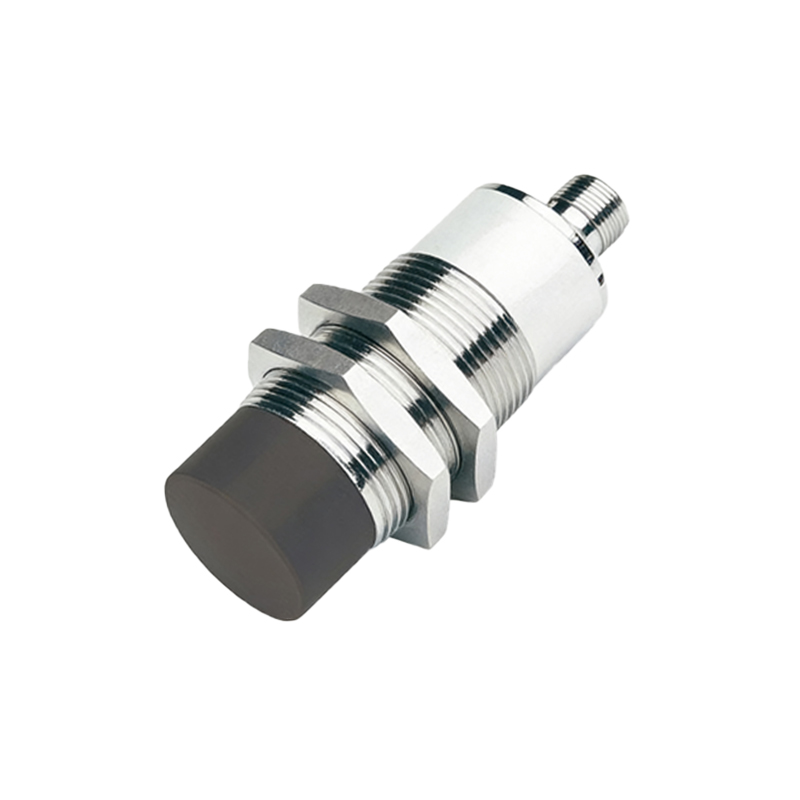
The choice of light source is critical to performance. Infrared LEDs are the most common due to their invisibility to the human eye, immunity to ambient light interference (when paired with modulated signals), and cost-effectiveness. Laser diodes are employed for applications requiring high precision, small spot size, or very long ranges. Visible red LEDs are sometimes used where a visible beam is beneficial for alignment or indication purposes.
Key performance parameters define a sensor's suitability for an application. Sensing range specifies the maximum distance at which a standard target can be reliably detected. Repeatability refers to the sensor's consistency in detecting an object at the same point. Response time is the delay between the detection event and the output signal change, crucial for high-speed production lines. Environmental factors like ambient light, dust, fog, or temperature extremes must also be considered, as they can scatter or attenuate the light beam, leading to false triggers or missed detections.
The applications of proximity light sensors are vast and integral to modern industry. On automated assembly lines, they count products, verify component presence, and control robotic arms by providing precise positional feedback. In packaging machinery, they ensure correct label placement and monitor fill levels. They are essential in material handling for detecting objects on conveyors and controlling sorting gates. Beyond traditional manufacturing, these sensors enable touchless interfaces in consumer electronics, provide collision avoidance in autonomous guided vehicles (AGVs), and facilitate safety curtains around hazardous machinery to protect personnel.
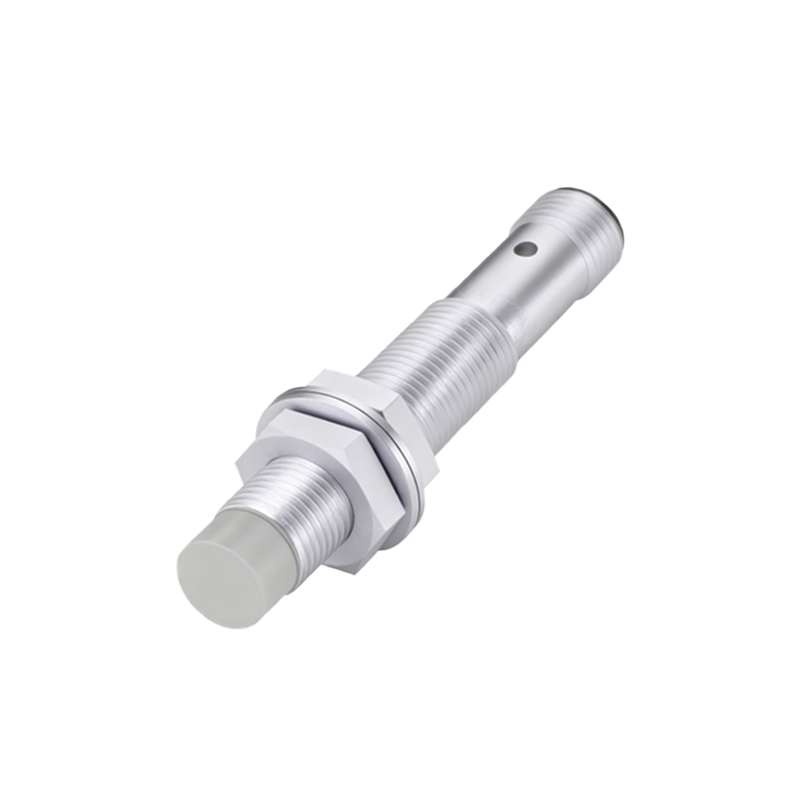
When selecting a proximity light sensor, engineers must conduct a thorough analysis of the application requirements. This includes defining the target material (metal, plastic, glass, etc.), size, color, and surface finish. The required sensing distance, needed speed (response time), and the installation environment's conditions (presence of contaminants, vibration, electrical noise) are equally decisive. For instance, a glossy black plastic object poses a challenge for a standard diffuse reflective sensor due to low reflectivity, potentially necessitating a through-beam or a specially tuned reflective model. Similarly, an outdoor application would require a sensor with a high IP rating for dust and water resistance and robust ambient light immunity.
Installation and alignment are practical steps that significantly impact performance. Proper mounting ensures mechanical stability and protects against vibration. Precise alignment, especially for through-beam and retro-reflective types, is paramount for optimal operation. Many modern sensors feature built-in alignment aids like visual or audible indicators. Regular maintenance, such as cleaning the lens from accumulated dust or oil, is necessary to prevent performance degradation over time.
Looking ahead, the evolution of proximity light sensors continues. Advancements include the integration of background suppression technology in diffuse sensors, which allows them to ignore objects beyond a set distance, and the development of fiber-optic versions for use in extremely high-temperature or space-constrained environments. The convergence with smart sensor technology and Industrial Internet of Things (IIoT) platforms is also prominent, enabling sensors to provide diagnostic data, predictive maintenance alerts, and seamless integration into networked control systems.
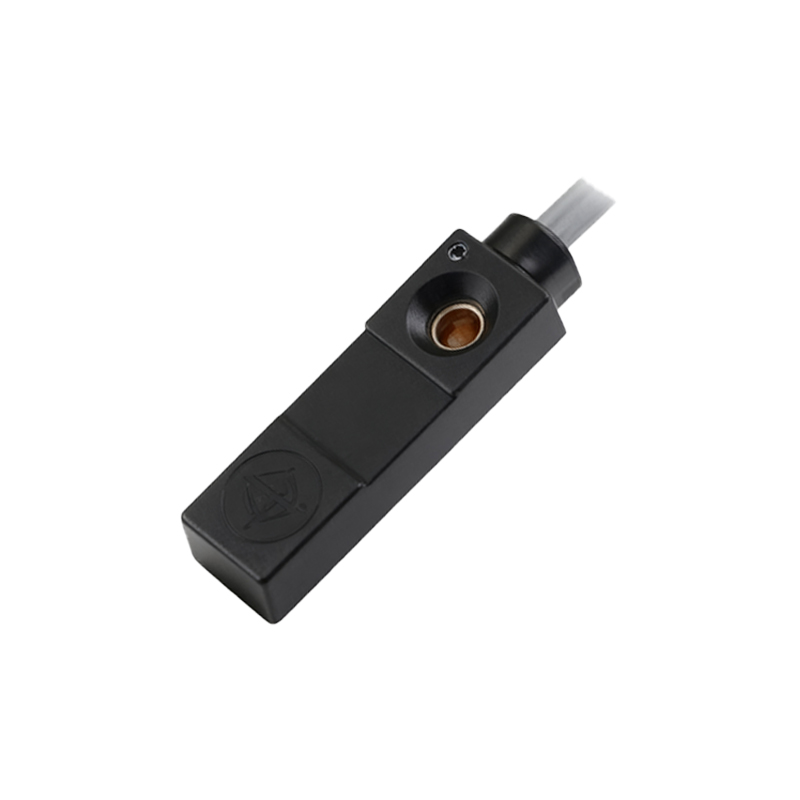
In conclusion, proximity light sensors are indispensable, versatile components in electrical and automation engineering. Their ability to provide reliable, fast, and non-contact detection makes them a fundamental tool for enhancing efficiency, safety, and precision across countless industrial and commercial processes. A deep understanding of their types, principles, and selection criteria is essential for any engineer tasked with designing, implementing, or maintaining modern automated systems.