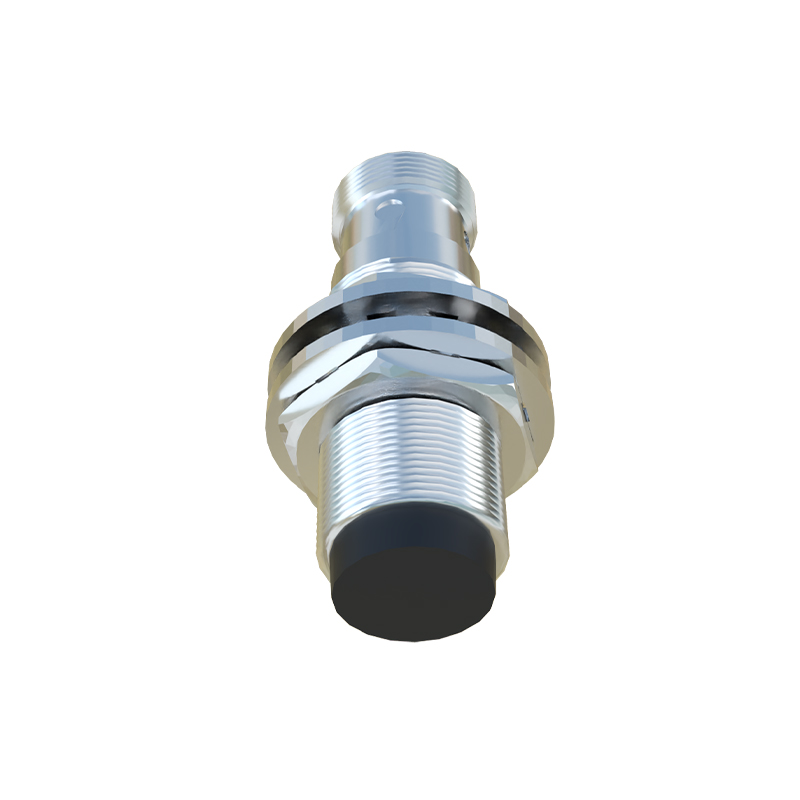
In the demanding landscape of modern industrial automation, proximity sensors serve as the critical eyes of machinery, detecting the presence or absence of objects without physical contact. However, when deployed in harsh environments—such as chemical processing plants, marine applications, food and beverage production, or wastewater treatment facilities—standard sensors face rapid degradation due to corrosion. The design of corrosion-resistant proximity sensors is, therefore, not merely an enhancement but a fundamental necessity for ensuring reliability, longevity, and operational safety. This article delves into the key design principles, material selections, and technological considerations essential for creating robust proximity sensors capable of withstanding corrosive attacks.
The primary adversary in these environments is corrosion, an electrochemical process accelerated by factors like moisture, salt spray, acidic or alkaline vapors, chlorides, and extreme temperatures. A sensor's failure in such conditions can lead to unplanned downtime, costly replacements, and significant safety hazards. Consequently, the design philosophy must shift from mere functionality to proactive defense. The first line of defense is the housing or enclosure. Materials like stainless steel (particularly grades 316 or 316L, known for superior resistance to chlorides and acids), nickel-plated brass, or engineered plastics such as PEEK (Polyether Ether Ketone) and PVDF (Polyvinylidene Fluoride) are paramount. The choice depends on the specific corrosive agent; for instance, PVDF offers excellent resistance to halogens and strong acids, while 316L stainless steel is ideal for saline environments. The housing design must also ensure complete sealing, typically achieved through laser welding or the use of high-integrity elastomers like FKM (Fluoroelastomer) for gaskets and O-rings, guaranteeing ingress protection ratings of IP67, IP68, or IP69K.
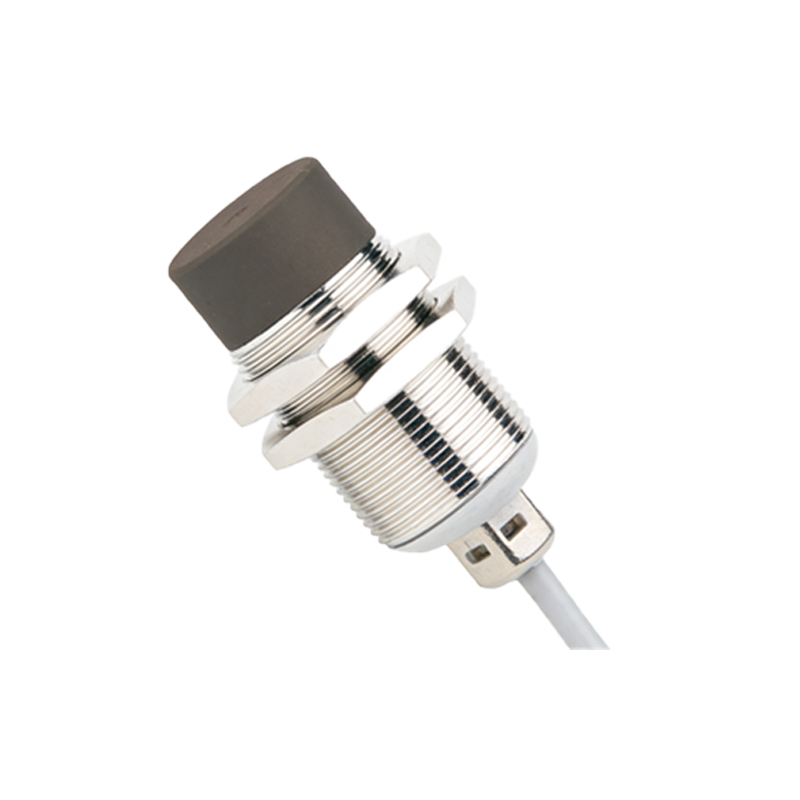
Beyond the external shell, the sensor's face or sensing surface is particularly vulnerable. For inductive proximity sensors, which detect metallic objects, the active face is often a ferrite core surrounded by a coil. Encapsulating this critical area with a corrosion-resistant epoxy resin or a specialized potting compound creates a hermetic barrier against infiltrating fluids and gases. This encapsulation must be meticulously engineered to avoid inducing mechanical stress on sensitive components or affecting the sensor's electromagnetic field and sensing range. For capacitive sensors, used for non-metallic targets, the sensing electrode itself may be coated with a inert material like gold or a robust polymer layer.
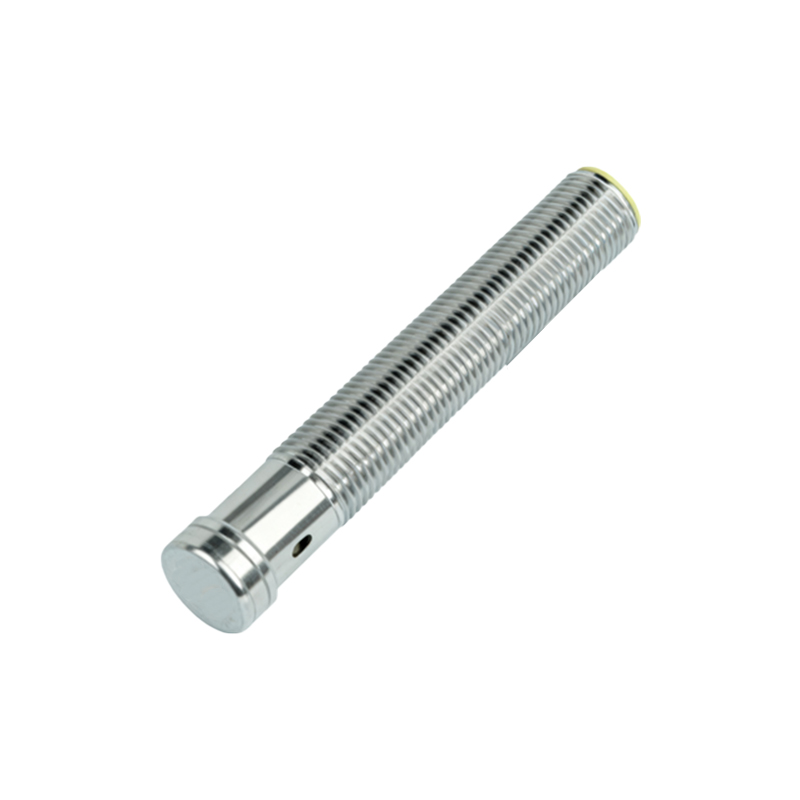
The internal electronics and wiring connections are equally susceptible. Conformal coatings—thin polymeric films applied to printed circuit boards (PCBs)—protect against moisture, dust, and chemical condensation. Advanced coatings based on parylene or silicone provide comprehensive protection without compromising electrical performance. Furthermore, the use of gold-plated pins and connectors prevents galvanic corrosion, which can occur when dissimilar metals are in electrical contact within an electrolyte. Cable jackets should be made from materials like PUR (Polyurethane) or TPE (Thermoplastic Elastomer), which offer excellent resistance to oils, chemicals, and abrasion.
Technological integration also plays a crucial role. Modern corrosion-resistant sensors often incorporate self-diagnostic features and condition monitoring outputs. These intelligent functions can alert operators to potential failures, such as coating breaches or gradual performance drift, before a complete breakdown occurs. Additionally, the design must account for thermal management. Corrosive processes can be temperature-dependent, and sensors must operate reliably across a wide temperature range without the housing or seals compromising their integrity. Finite Element Analysis (FEA) is frequently employed during the design phase to simulate thermal and mechanical stresses under expected environmental conditions.
Finally, rigorous testing and certification are non-negotiable. Designs must be validated against international standards for corrosion resistance, such as salt spray testing per ASTM B117 or exposure tests specific to industry requirements (e.g., NEMA 250 for enclosures). Real-world field testing in pilot installations provides invaluable data for iterative design improvements. In conclusion, designing a corrosion-resistant proximity sensor is a multidisciplinary challenge that harmonizes material science, mechanical engineering, electronics, and a deep understanding of the operational environment. It is an investment that pays dividends through enhanced system uptime, reduced total cost of ownership, and fortified safety in some of the world's most challenging industrial settings.