Proximity sensors, as non-contact detection devices, have become indispensable components across a multitude of industries, fundamentally transforming operational efficiency, safety, and reliability. These sensors detect the presence or absence of an object within a defined sensing range without physical contact, utilizing various technologies such as inductive, capacitive, ultrasonic, and photoelectric principles. Their application spectrum is vast and continuously expanding.
In the realm of industrial automation and manufacturing, proximity sensors are the silent workhorses. On high-speed assembly lines, inductive sensors reliably detect metallic components—gears, pistons, or machine parts—ensuring precise positioning for robotic arms, counting items, and monitoring conveyor belt operations. They provide critical feedback for Programmable Logic Controllers (PLCs), enabling seamless automation sequences. Capacitive sensors extend this capability to non-metallic materials like plastics, glass, wood, and liquids, making them perfect for packaging, bottling, and material level detection in silos or hoppers.
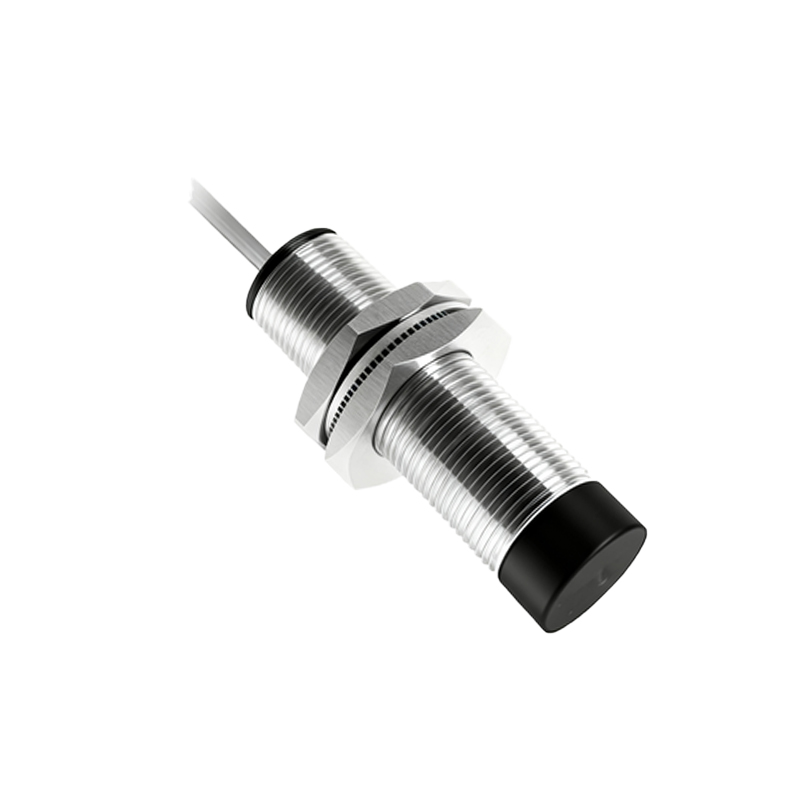
The automotive industry leverages these sensors extensively. From robotic welding and painting stations to final assembly checks, sensors ensure parts are correctly positioned. They are integral to anti-lock braking systems (ABS), detecting wheel speed, and in advanced driver-assistance systems (ADAS) for object detection in parking assistance. Within the vehicle cabin, capacitive sensors enable touch-sensitive controls and occupant detection for airbag deployment systems.
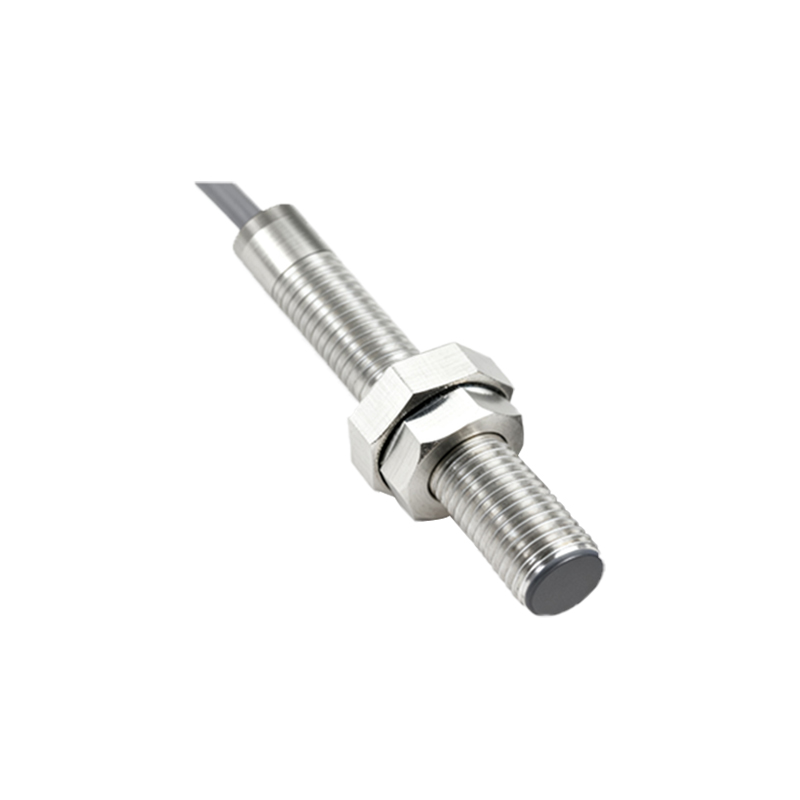
Material handling and logistics represent another major domain. Automated Guided Vehicles (AGVs) and autonomous mobile robots rely on arrays of proximity sensors for collision avoidance and navigation in dynamic warehouse environments. On sorting systems, sensors identify package sizes and divert them to appropriate chutes, optimizing throughput. Photoelectric sensors, in particular, are crucial for detecting transparent or reflective objects on conveyors.

In the food and beverage sector, hygiene and washdown requirements are paramount. Sensors with high Ingress Protection (IP) ratings, often constructed from stainless steel, withstand harsh cleaning chemicals. They monitor fill levels in tanks, detect missing caps on bottles, and control the sealing of packaging. Their non-contact nature prevents contamination and reduces maintenance compared to mechanical switches.
Beyond traditional industry, proximity sensors enable innovation in consumer electronics. Smartphones incorporate them to disable touchscreens during calls, preventing accidental inputs. They facilitate gesture recognition in devices and interactive displays. In the building automation sphere, sensors control lighting and HVAC systems by detecting occupancy, contributing significantly to energy conservation.
The aerospace and defense sectors utilize ruggedized sensors for landing gear position monitoring, door status detection, and in various safety-critical systems where reliability under extreme conditions is non-negotiable. Even in modern agriculture, sensors aid in automated machinery and precision farming equipment.
The advantages driving this widespread adoption are clear: enhanced durability due to no moving parts, high-speed response, consistent performance in dirty or oily environments, and minimal maintenance. As Industry 4.0 and the Industrial Internet of Things (IIoT) advance, smart proximity sensors with integrated IO-Link communication are gaining traction. These sensors provide not just a binary signal but rich diagnostic data—like temperature, signal strength, and parameter status—enabling predictive maintenance and deeper process integration.
Looking ahead, the evolution continues towards miniaturization, increased sensing ranges, and enhanced intelligence. The fusion of sensing technologies with AI and machine learning will unlock even more sophisticated applications. From ensuring a single component is correctly placed on a microscopic circuit board to safeguarding massive industrial robots, proximity sensors remain a cornerstone of modern technological progress, silently and reliably bridging the physical and digital worlds across countless applications.