In the realm of industrial automation and smart electronics, proximity sensors stand as indispensable components, silently enabling the seamless interaction between machines and their environments. These electronic devices detect the presence or absence of objects within a specific range without any physical contact, relying on various physical principles to generate an electrical signal. Their applications span from assembly lines and robotic arms to consumer devices and automotive systems, making them a cornerstone of modern engineering.
The fundamental operation of a proximity sensor involves emitting a field or beam and monitoring changes in the return signal. When an object enters the detection zone, it alters the field, triggering the sensor to output a signal—typically a switch closure or a change in voltage. This non-contact nature eliminates mechanical wear, enhances reliability, and allows for high-speed operation, which is critical in fast-paced manufacturing settings. Among the most common types are inductive, capacitive, ultrasonic, and photoelectric sensors, each tailored to specific materials and environmental conditions.
Inductive proximity sensors, for instance, are widely used in metal detection. They generate an electromagnetic field and detect eddy currents induced in conductive targets. Ideal for harsh industrial environments, they are resistant to dust, moisture, and vibrations, commonly found in metal machining, automotive welding, and conveyor systems. Capacitive sensors, on the other hand, can detect both metallic and non-metallic materials by measuring changes in capacitance. They are perfect for liquid level sensing, plastic part detection, and packaging applications where versatility is key.
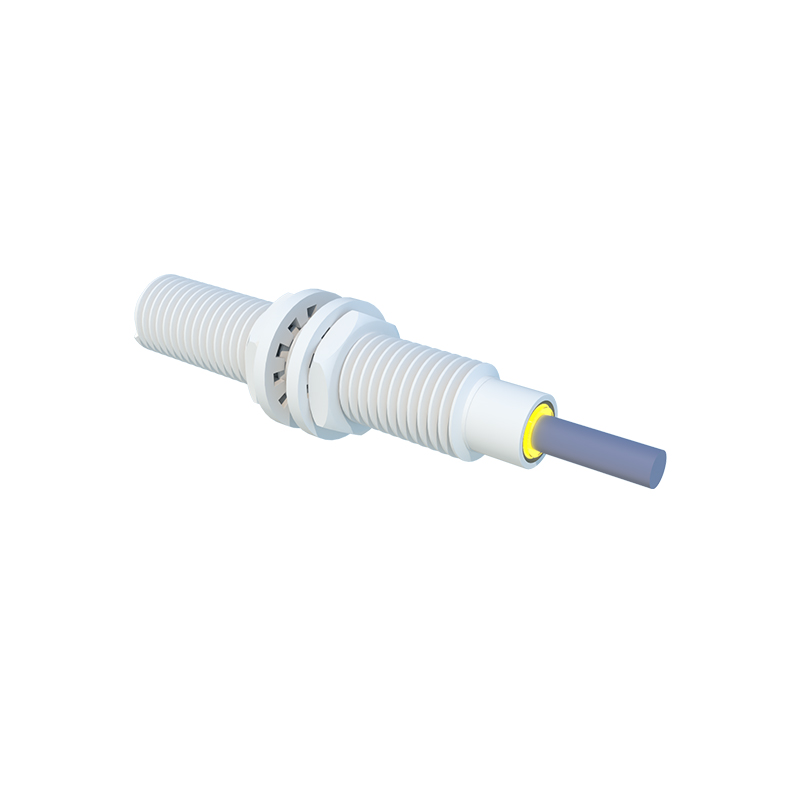
Ultrasonic sensors employ sound waves beyond human hearing to measure distance or detect objects. By calculating the time delay of reflected waves, they offer precise ranging capabilities, useful in level monitoring, obstacle avoidance for robots, and parking assistance systems. Photoelectric sensors use light beams—often infrared or laser—to sense objects. They excel in long-range detection and can identify transparent or colored items, making them prevalent in logistics, printing, and security systems.
Selecting the right proximity sensor involves considering factors like detection range, target material, environmental conditions, and output requirements. Engineers must evaluate operating temperatures, ingress protection ratings, and electrical compatibility to ensure optimal performance. For example, in food processing, sensors with high IP ratings and corrosion-resistant housings are essential to withstand washdowns and contaminants.
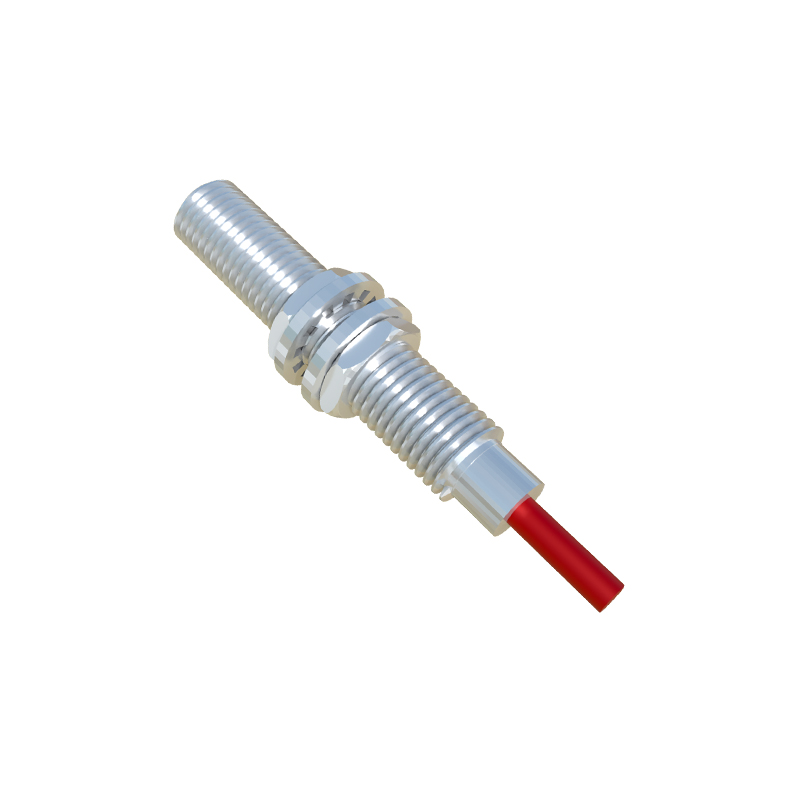
Recent advancements have propelled proximity sensors into the era of Industry 4.0 and IoT. Smart sensors now integrate digital interfaces, such as IO-Link, enabling real-time data exchange, diagnostics, and parameter adjustments. This connectivity facilitates predictive maintenance, reduces downtime, and enhances system flexibility. Miniaturization has also led to compact designs suitable for portable devices and medical equipment, while energy-efficient variants support battery-powered applications.
In automotive engineering, proximity sensors are vital for safety and convenience. They enable features like automatic braking, blind-spot monitoring, and hands-free trunk opening. Similarly, in consumer electronics, they power touchless faucets, smartphone screen activation, and gesture controls, enriching user experiences. The reliability of these components ensures that systems operate smoothly, from controlling robotic grippers to managing inventory in smart warehouses.
Despite their robustness, challenges persist. Electromagnetic interference, extreme temperatures, and target surface properties can affect accuracy. Engineers address these through shielding, calibration, and sensor fusion techniques. Looking ahead, innovations in materials science and AI-driven sensing promise even greater precision and adaptability, paving the way for autonomous systems and smart cities.
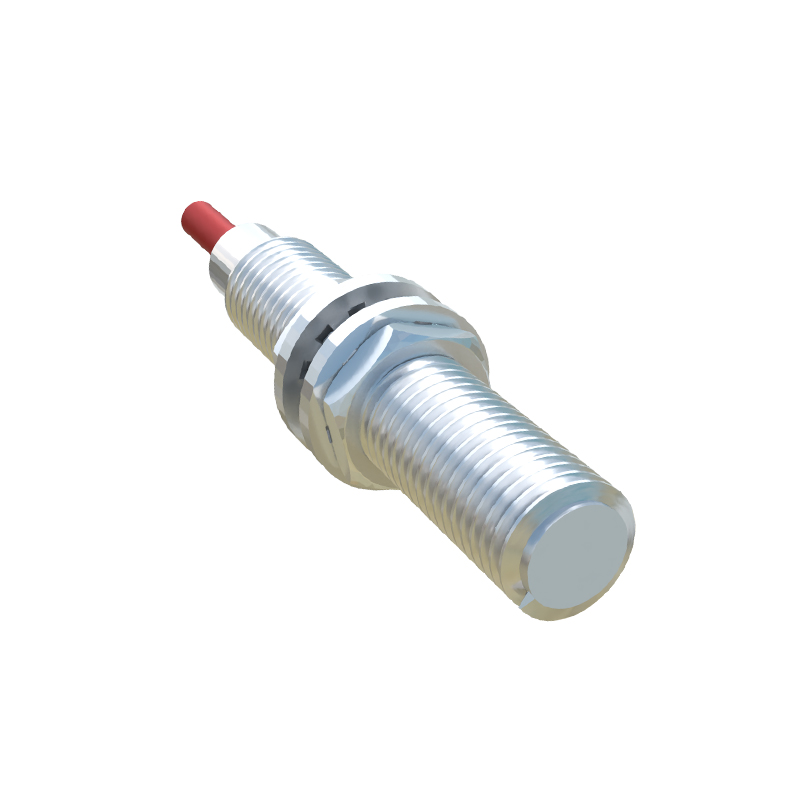
Ultimately, proximity sensors exemplify the synergy between electronics and automation. By providing non-contact detection, they enhance efficiency, safety, and innovation across industries. As technology evolves, these electronic components will continue to be pivotal in shaping a more connected and intelligent world, driving progress from factory floors to everyday life.