In the rapidly evolving mobile device industry, proximity sensors have become a critical component for enhancing user experience and device functionality. These sensors, typically utilizing infrared (IR) LED and photodetector pairs, detect the presence of nearby objects—most commonly a user's face during phone calls—to automatically turn off the display and disable touch input. This not only conserves battery life but also prevents accidental screen touches. Given their importance, establishing rigorous testing standards is paramount for ensuring reliability, accuracy, and consistency across devices.
The core principle of a proximity sensor involves emitting infrared light and measuring the amount reflected back. When an object is within a defined range, the sensor triggers a response. Industry testing standards, often aligned with guidelines from bodies like the International Electrotechnical Commission (IEC) and Institute of Electrical and Electronics Engineers (IEEE), focus on several key parameters. First, detection range and accuracy are tested using calibrated targets at varying distances, typically from 0 to 5 centimeters. The sensor must consistently detect presence within a specified tolerance, often ±0.5 mm, to avoid false positives or negatives. Environmental factors such as ambient light interference are also critical; tests simulate different lighting conditions, from dark rooms to bright sunlight, to ensure the sensor operates correctly without being affected by external IR sources.
Response time is another vital metric. Standards require the sensor to activate within milliseconds—usually under 100 ms—to provide a seamless user experience. This is tested using high-speed equipment that measures the delay between object detection and system response. Additionally, power consumption is evaluated to ensure the sensor does not drain the battery excessively, especially during prolonged use like long phone calls. Durability tests involve subjecting the sensor to mechanical stress, temperature variations, and humidity cycles to guarantee performance over the device's lifespan.
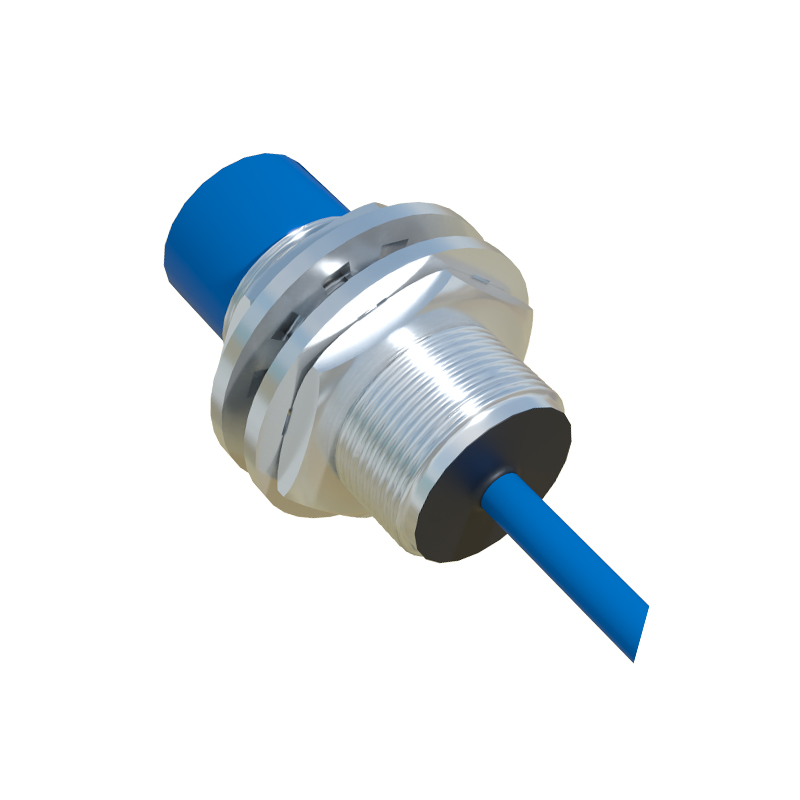
In practice, manufacturers implement automated testing rigs that integrate these standards into production lines. These systems use robotic arms to position test objects and collect data on sensor performance, ensuring each unit meets quality benchmarks. Calibration is performed using reference materials with known reflectivity, and results are logged for traceability. Industry best practices also emphasize software algorithms that compensate for sensor drift or environmental changes, enhancing reliability through firmware updates.
Looking ahead, as smartphones incorporate new materials like edge-to-edge displays and under-screen sensors, testing standards are evolving. Challenges include ensuring accuracy through opaque surfaces and minimizing interference from other components. Emerging technologies, such as time-of-flight (ToF) sensors, may require updated protocols for higher precision. Ultimately, adherence to robust testing standards not only improves product quality but also builds consumer trust, driving innovation in the competitive mobile market. By prioritizing these benchmarks, engineers can deliver devices that are both functional and dependable, meeting the high expectations of today's users.