In the realm of industrial automation and control systems, proximity sensors stand as indispensable components, silently enabling precision, safety, and efficiency. These non-contact electronic devices detect the presence or absence of an object within their sensing field without any physical contact. Their ability to operate reliably in harsh environments—amidst dust, oil, and vibration—makes them a cornerstone of modern manufacturing, robotics, and machinery.
The fundamental principle behind proximity sensors involves generating an electromagnetic field or a beam of radiation. When a target object enters this field, it causes a change in the signal's state, which is then converted into an electrical output signal. This simple yet robust mechanism eliminates mechanical wear and tear associated with limit switches, leading to significantly longer service life and higher reliability.
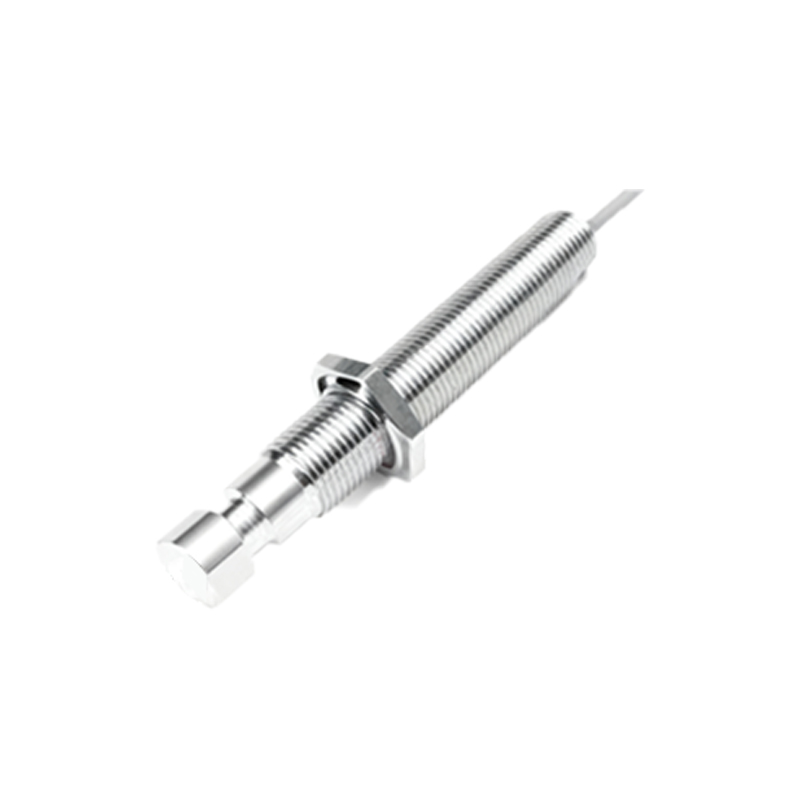
Several primary types of proximity sensors dominate the market, each with distinct operating principles and ideal applications.
Inductive Proximity Sensors: These are the workhorses for detecting metallic objects. They generate an oscillating electromagnetic field. When a ferrous or non-ferrous metal target enters this field, it induces eddy currents, causing a change in the oscillation amplitude. This change triggers the sensor's output. Inductive sensors are highly robust, resistant to environmental contaminants, and excel in applications like counting metal parts, detecting piston position in cylinders, or as end-of-travel limit switches in machine tools. Their sensing range is typically limited to a few millimeters to several centimeters, depending on the sensor size and target material.
Capacitive Proximity Sensors: These sensors can detect both metallic and non-metallic materials, including liquids, plastics, glass, and wood. They function by generating an electrostatic field. Any object with a dielectric constant different from air will alter the capacitance of the sensing circuit, triggering detection. This makes them versatile for tasks like liquid level detection in non-metallic tanks, monitoring presence of plastic caps or glass bottles on a conveyor, or detecting granular materials. They are generally more sensitive to environmental factors like humidity compared to inductive types.
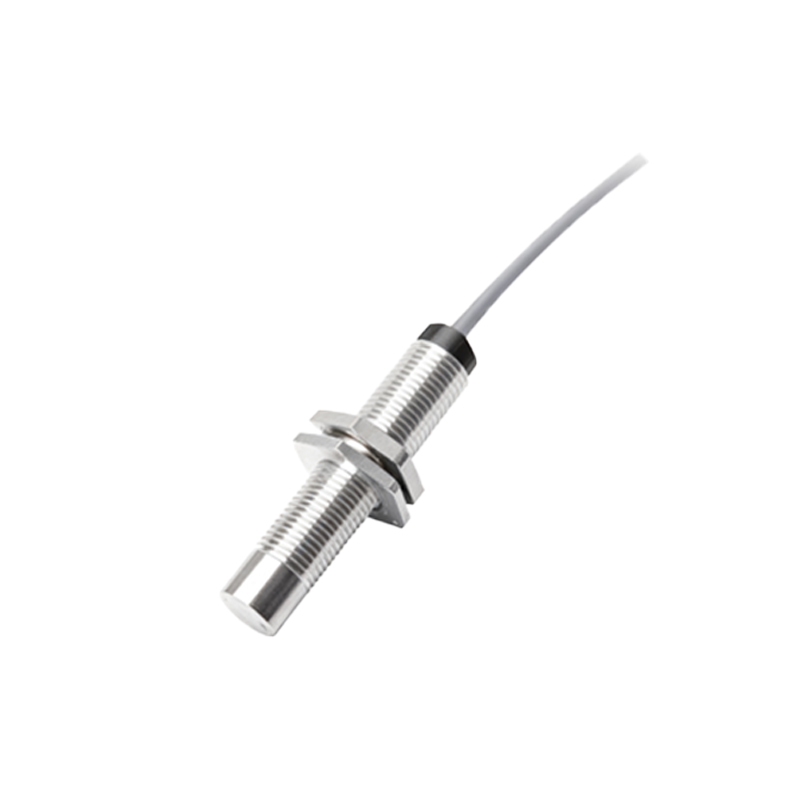
Ultrasonic Proximity Sensors: Operating on a sonar-like principle, these sensors emit high-frequency sound waves and evaluate the echo reflected from a target. They measure the time interval between sending the signal and receiving the echo to calculate distance. Ultrasonic sensors are excellent for longer-range detection (up to several meters), level sensing of bulk solids or liquids, and detecting objects regardless of color, transparency, or material. They can be affected by temperature variations, air turbulence, and soft, sound-absorbing materials.
Photoelectric Sensors: While often categorized separately, photoelectric sensors are a vital form of proximity detection. They use a light emitter (usually LED) and a receiver. The presence of an object is detected by either interrupting the light beam (through-beam), reflecting light back to the receiver (retro-reflective), or diffusing light from the target itself (diffuse reflective). They offer the longest sensing ranges and can detect virtually any material. Common applications include object counting on high-speed lines, jam detection in packaging machinery, and registration mark sensing.
Selecting the right proximity sensor requires careful consideration of several key parameters:
1. Target Material: The primary determinant. Metal detection calls for inductive sensors; for non-metals, capacitive or photoelectric are suitable.
2. Sensing Distance: The required operating distance from the sensor face to the target. Always consider a safety margin and account for manufacturing tolerances.
3. Output Type: Digital (PNP/NPN) or analog (4-20mA, 0-10V) outputs. Digital is for simple on/off detection; analog provides continuous distance information.
4. Environmental Conditions: Temperature extremes, presence of chemicals, washdown requirements (IP rating), and electrical noise must be factored in.
5. Mounting and Size: Space constraints and mechanical mounting style (flush, non-flush, threaded barrel) are practical considerations.
6. Response Frequency: The maximum number of detection operations per second, critical for high-speed applications.
The integration of Industrial Internet of Things (IIoT) is pushing proximity sensors toward smarter functionality. Modern sensors now feature IO-Link communication, which allows for bidirectional data exchange beyond simple switching signals. This enables remote parameter configuration, real-time diagnostics (like monitoring operating temperature or signal strength), and predictive maintenance alerts, thereby minimizing unplanned downtime.
In conclusion, proximity sensors are fundamental enabling technologies for automation. From ensuring robotic arms pick components accurately to verifying a bottle is filled on a production line, their role is critical. A thorough understanding of their types, operating principles, and selection criteria empowers engineers and technicians to design more reliable, efficient, and intelligent automated systems. As industries advance toward greater connectivity and autonomy, the humble proximity sensor will continue to evolve, remaining an essential element in the automated landscape.
SEO