In the realm of industrial automation and electrical engineering, high voltage proximity switch sensors stand as critical components, ensuring both operational safety and system efficiency. These sensors are designed to detect the presence or absence of objects without physical contact, making them indispensable in environments where high voltage circuits are prevalent. Their ability to function reliably under extreme electrical stress sets them apart from standard proximity sensors, catering to applications in power generation, heavy machinery, and automotive manufacturing.
The fundamental principle behind high voltage proximity switch sensors involves electromagnetic fields or capacitive coupling. Inductive sensors, for instance, generate an oscillating electromagnetic field. When a metallic object enters this field, it induces eddy currents, causing a change in oscillation amplitude that triggers the switch. Capacitive sensors, on the other hand, detect changes in capacitance when an object alters the electrical field between the sensor and ground. For high voltage applications, these mechanisms are enhanced with robust insulation materials, such as ceramic or specialized polymers, to withstand potential electrical arcing and transient surges. This insulation is crucial, as it prevents dielectric breakdown, ensuring the sensor's longevity and reliability in harsh conditions.
One of the primary advantages of high voltage proximity switch sensors is their contribution to safety. In industries like energy distribution or railway systems, where equipment operates at voltages exceeding 1 kV, these sensors help prevent accidents by monitoring the position of circuit breakers, isolators, or moving parts. They enable automated shutdowns in case of malfunctions, reducing the risk of electrical fires or electrocution. Moreover, their non-contact nature minimizes wear and tear, leading to lower maintenance costs and fewer operational disruptions. For example, in a substation, these sensors can detect whether a high voltage switch is fully closed, ensuring that power flows only when it is safe to do so.
Efficiency is another key benefit. High voltage proximity switch sensors facilitate precise control in automated processes, enhancing productivity. In manufacturing lines for electrical transformers or generators, they ensure components are correctly aligned before high voltage testing, reducing errors and rework. Their fast response times, often in milliseconds, allow for real-time monitoring and adjustments, optimizing energy usage and minimizing downtime. Additionally, these sensors are designed to resist electromagnetic interference (EMI), which is common in high voltage environments, ensuring accurate readings even amid electrical noise.
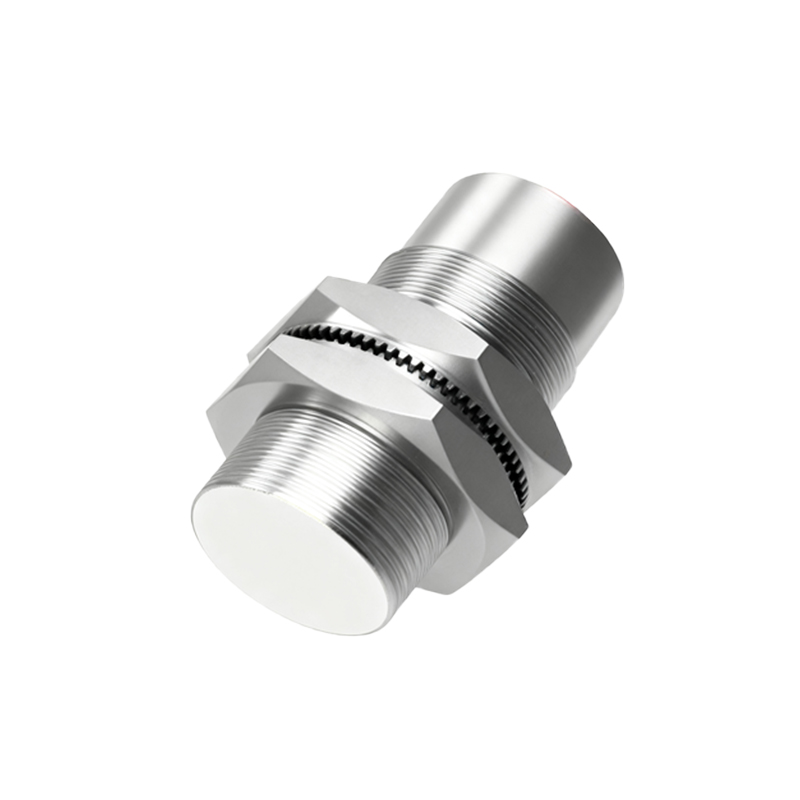
When selecting a high voltage proximity switch sensor, engineers must consider factors such as voltage rating, sensing distance, environmental conditions, and output type. Sensors are typically rated for specific voltage ranges, such as up to 10 kV or higher, and must comply with international standards like IEC 60947 for switchgear and controlgear. Sensing distances vary based on the sensor size and technology, with some models offering ranges up to 50 mm for large objects. For outdoor or corrosive settings, sensors with IP67 or higher ingress protection ratings are essential to guard against dust and moisture. Output options include analog signals for continuous monitoring or digital signals for simple on/off control, integrating seamlessly with PLCs (Programmable Logic Controllers) and SCADA (Supervisory Control and Data Acquisition) systems.
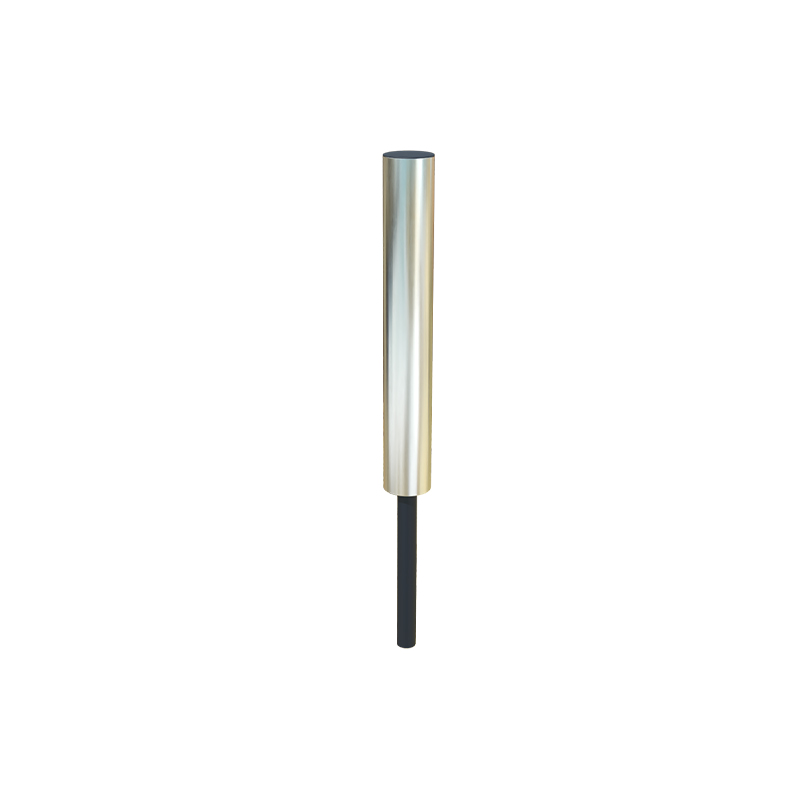
In practice, these sensors find use in diverse scenarios. In wind turbines, they monitor blade position and brake systems, operating under high voltage from the generator. In electric vehicle charging stations, they ensure connectors are securely engaged before initiating high voltage charging cycles. The automotive industry employs them in battery management systems for hybrid and electric cars, where they detect the presence of high voltage cables to prevent accidental disconnection. As industries advance toward smarter grids and Industry 4.0, the demand for reliable high voltage proximity switch sensors is growing, driven by the need for enhanced safety protocols and energy-efficient operations.
Despite their robustness, challenges persist, such as thermal management in high temperature environments or compatibility with legacy systems. Ongoing research focuses on improving materials for better insulation and developing wireless variants to reduce wiring complexity. Innovations like self-diagnostic features are also emerging, allowing sensors to alert operators to potential failures before they occur.
In summary, high voltage proximity switch sensors are vital for modern industrial applications, blending safety with efficiency. Their design and functionality address the unique demands of high voltage settings, making them a cornerstone of electrical engineering. As technology evolves, these sensors will continue to play a pivotal role in shaping safer and more productive industrial landscapes, underscoring their importance in an increasingly electrified world.