In the realm of industrial automation and control systems, the reliable detection of objects is paramount. Two of the most prevalent and critical technologies enabling this fundamental function are proximity switches and photoelectric sensors. While their end goal is similar—to detect the presence or absence of an object without physical contact—their underlying principles, applications, and advantages differ significantly. This article delves into the operational mechanics, key types, and practical considerations for selecting and implementing these essential components in modern electrical and automation engineering.
Understanding Proximity Switches
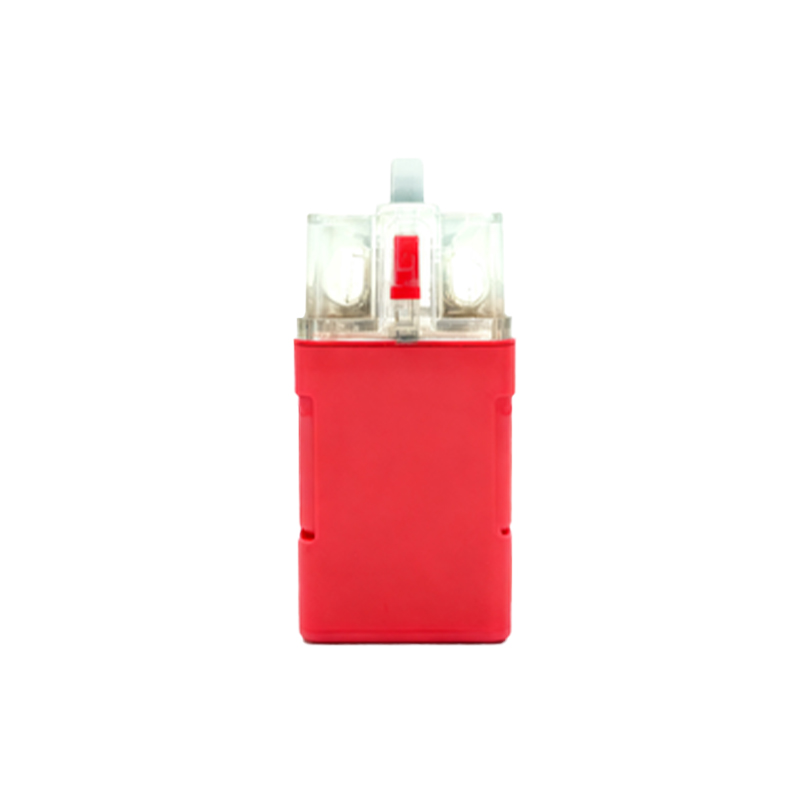
Proximity switches, often simply called proximity sensors, are non-contact devices that detect the presence of metallic objects. Their operation is based on generating an electromagnetic field. When a metallic target enters this field, it causes a change in the oscillation amplitude or other electrical characteristics, which is then converted into a binary output signal (ON/OFF). The primary types include:
Inductive Proximity Sensors: These are the most common, designed exclusively for detecting ferrous and non-ferrous metals. They are highly reliable, resistant to environmental factors like dust and moisture (with appropriate IP ratings), and offer fast switching frequencies. Typical applications involve position sensing of machine parts, counting metal objects on conveyors, and end-of-travel detection in actuators.
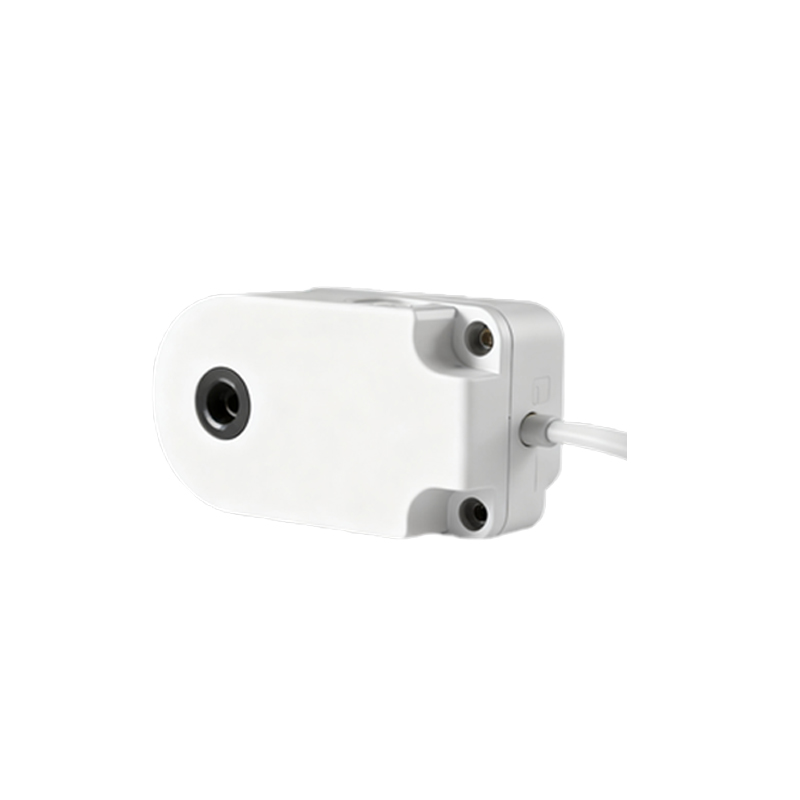
Capacitive Proximity Sensors: These sensors can detect both metallic and non-metallic materials (plastics, wood, liquids, granules) by measuring changes in capacitance. They are ideal for level detection in tanks, material handling of non-metals, and presence detection of packaged goods.
The key advantages of proximity switches are their robustness, long operational life due to the absence of moving parts, and immunity to surface conditions like color or reflectivity of the target. Their limitation is inherently tied to material specificity, particularly for inductive types.
Exploring Photoelectric Sensors
Photoelectric sensors utilize light beams to detect objects. A basic system consists of an emitter (light source, typically LED) and a receiver. The sensor detects an object by interpreting the change in the light's properties when the object interrupts or reflects the beam. The main operating modes are:
Through-Beam (Opposed): Featuring separate emitter and receiver units, an object is detected when it breaks the light beam. This mode offers the longest sensing ranges and highest reliability.
Retroreflective: The emitter and receiver are housed together, using a reflector to bounce the light back. Detection occurs when the beam is interrupted.
Diffuse (Proximity): The emitter and receiver are in one housing, detecting light reflected directly off the target object. Sensing distance depends on the target's color, texture, and reflectivity.
Advanced variants include background suppression and convergent beam models, which minimize the effects of background objects and target color. Photoelectric sensors excel in long-range detection, versatility in sensing diverse materials (any object that disrupts the light path), and ability to detect small objects. However, their performance can be affected by environmental contaminants like dust, fog, or heavy dirt, and by the optical properties of the target.
Selection Criteria and Application Insights
Choosing between a proximity switch and a photoelectric sensor hinges on a detailed analysis of the application requirements:
1. Target Material: For metals only, inductive proximity sensors are often the simplest choice. For non-metals, liquids, or varied materials, capacitive proximity or photoelectric sensors are necessary.
2. Sensing Distance: Photoelectric sensors generally provide much longer ranges (from a few centimeters up to several meters) compared to proximity switches (typically millimeters to a few tens of millimeters).
3. Environmental Conditions: Harsh environments with metal chips, oils, or washdowns often favor ruggedized proximity switches. Environments with clean airborne particulates may be suitable for photoelectric sensors, while heavy dust or steam might require specialized housings or air purge systems.
4. Speed and Precision: Both offer high-speed capabilities, but through-beam photoelectric sensors are unmatched for very high-speed counting. For precise positioning of metal components, inductive sensors are extremely accurate.
5. Installation and Alignment: Proximity sensors are generally easier to install as they have a omnidirectional sensing field in many cases. Through-beam photoelectric sensors require careful alignment of separate units, which can be more complex.
In practice, a control panel might use inductive proximity sensors to confirm the closed position of a metallic safety door, while a packaging line employs diffuse photoelectric sensors to detect the presence of cardboard boxes on a conveyor, regardless of their print color. Material handling systems frequently use capacitive sensors to monitor plastic pellet levels in silos.
Conclusion
Both proximity switches and photoelectric sensors are indispensable tools in the electrical engineer's arsenal. There is no universally superior technology; the optimal selection is a deliberate decision