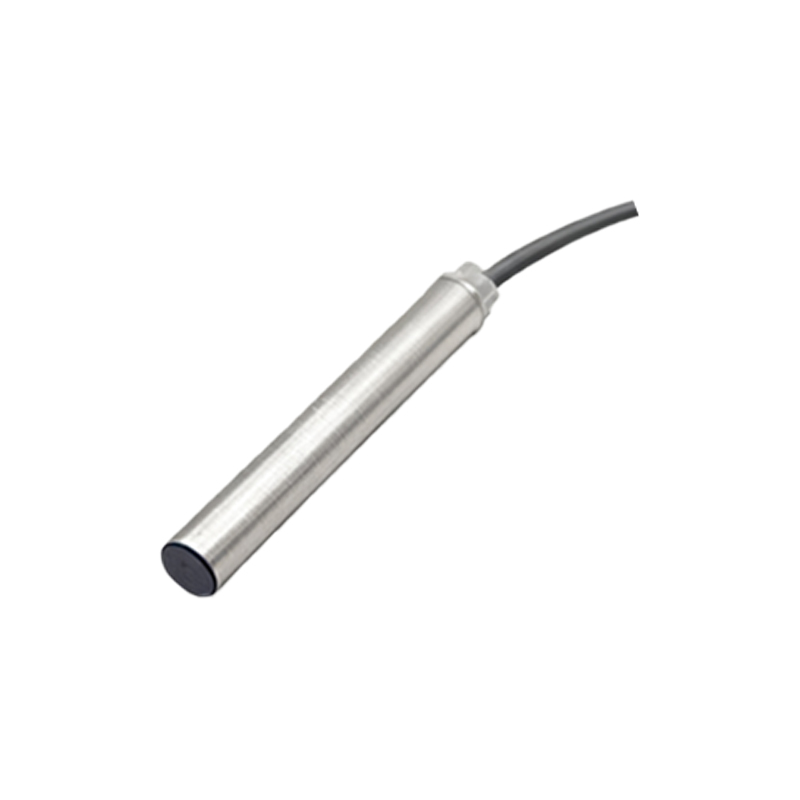
Proximity angle sensors have become indispensable components in contemporary electrical engineering, offering precise angular position detection without physical contact. These sensors operate on principles such as inductive, capacitive, or magnetic sensing, enabling them to measure rotational angles in machinery, automotive systems, and industrial automation. Their non-contact nature ensures minimal wear and tear, leading to enhanced durability and reduced maintenance costs. In automotive applications, proximity angle sensors are critical for throttle position sensing, steering angle measurement, and transmission control, contributing to improved vehicle safety and fuel efficiency. The ability to provide real-time feedback allows for adaptive adjustments in engine performance and stability systems.
In industrial settings, these sensors facilitate accurate monitoring of robotic arm movements, conveyor belt alignment, and rotary table positioning. By integrating with programmable logic controllers (PLCs), they enable seamless automation in manufacturing lines, ensuring consistent product quality and operational efficiency. The high-resolution output of modern proximity angle sensors supports precision tasks like CNC machining and 3D printing, where even minor angular deviations can impact final outcomes. Additionally, their robust design often includes resistance to environmental factors such as dust, moisture, and electromagnetic interference, making them suitable for harsh conditions in mining or aerospace industries.
The evolution of smart sensors has further expanded their utility, with embedded microprocessors allowing for self-calibration and diagnostic features. In renewable energy systems, proximity angle sensors optimize wind turbine blade pitch control and solar panel tracking, maximizing energy capture by adjusting angles based on wind direction or sunlight intensity. Their compatibility with IoT platforms enables remote monitoring and predictive maintenance, reducing downtime and enhancing system reliability. As industries advance toward Industry 4.0, the demand for these sensors continues to grow, driven by needs for automation, safety, and energy conservation. Engineers must consider factors like measurement range, response time, and output signal type when selecting sensors for specific applications to ensure optimal performance.
Future trends indicate a shift toward miniaturization and wireless connectivity, allowing for integration into compact devices and IoT networks. Proximity angle sensors are poised to play a pivotal role in emerging technologies like autonomous vehicles and smart grids, where precise angular data is crucial for decision-making algorithms. By leveraging advancements in materials science and digital signal processing, these sensors will offer higher accuracy and lower power consumption, supporting sustainable engineering practices. Overall, their versatility and reliability make them a cornerstone of modern electrical systems, driving innovation across multiple sectors.