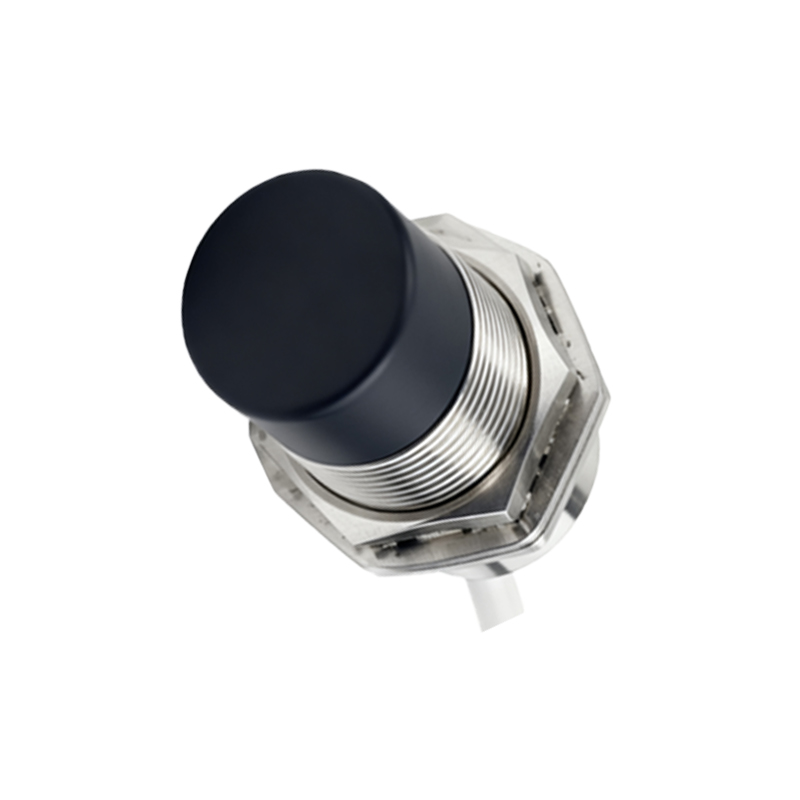
In the rapidly evolving landscape of industrial automation, the demand for reliable, high-performance sensing solutions has never been greater. Among the most critical components in modern manufacturing and process control systems are proximity sensors. While standard inductive, capacitive, and photoelectric sensors have served industries well for decades, a new class of devices is pushing the boundaries of detection: Ultra-Long Range Proximity Sensors. These advanced sensors are redefining what is possible in terms of non-contact object detection, offering unprecedented sensing distances that enhance efficiency, safety, and flexibility across countless applications.
Traditional inductive proximity sensors, which detect metallic objects through electromagnetic fields, typically offer sensing ranges from a few millimeters to about 60 millimeters. Photoelectric sensors can achieve longer ranges, often up to several meters, but their performance can be significantly impacted by environmental factors like dust, fog, or target color and reflectivity. Ultra-long range proximity sensors bridge this gap, combining robust performance with dramatically extended detection distances. These sensors can reliably detect objects at ranges of 100 millimeters, 300 millimeters, or even beyond one meter, depending on the technology and target material.
The core technologies enabling these extended ranges are advancements in coil design for inductive sensors and innovative optical engineering for photoelectric types. For inductive sensors, engineers have developed specialized ferrite cores and optimized oscillator circuits that create a more focused and powerful electromagnetic field. This allows the sensor to sense a metallic object at a much greater distance without a proportional increase in sensor size. For photoelectric variants, the use of high-power, focused LED or laser light sources, coupled with highly sensitive receivers and advanced background suppression algorithms, allows for stable long-range detection even in challenging conditions. Some models incorporate Time-of-Flight (ToF) principles, measuring the time for a light pulse to reflect back, to provide precise distance measurement over several meters.
The applications for ultra-long range sensors are vast and transformative. In automotive assembly lines, they enable the detection of vehicle bodies or large components from a safe distance, allowing for earlier process triggering and better robot positioning. In material handling and logistics, they can monitor the position of pallets, containers, or AGVs (Automated Guided Vehicles) in large warehouses, facilitating better inventory management and collision avoidance. In heavy machinery and forestry equipment, these sensors provide crucial early warning for the presence of obstacles or personnel, enhancing operational safety. Furthermore, in cleanroom environments or food and beverage processing, where contact is undesirable, the ability to sense from afar minimizes contamination risk and reduces mechanical wear.
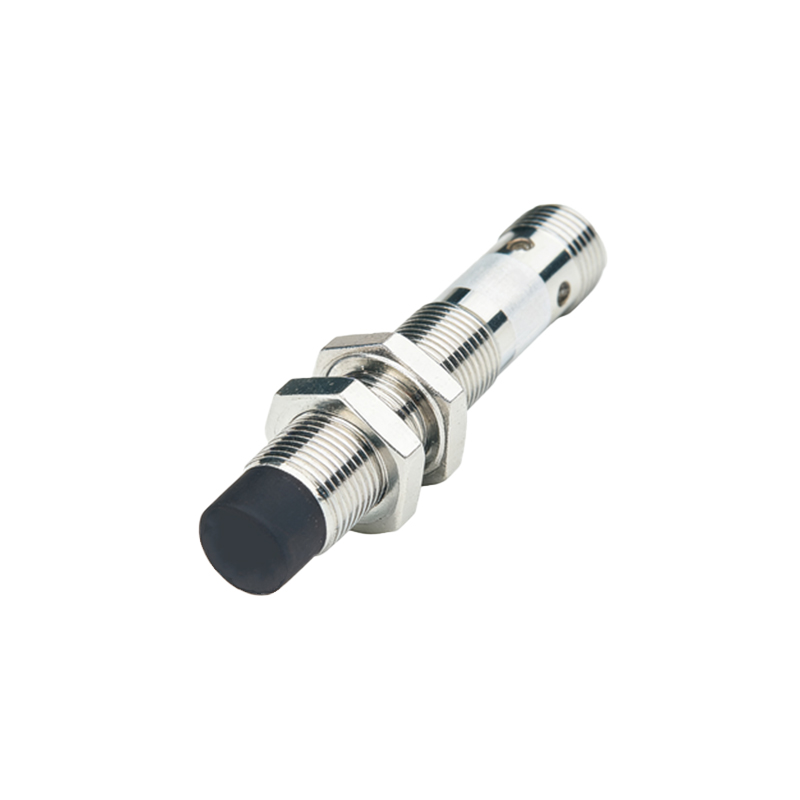
Selecting the right ultra-long range sensor requires careful consideration of several key parameters. First, the target material is paramount. Ferrous metals are easiest to detect at long ranges with inductive sensors, while non-ferrous metals require specific sensor models. For non-metallic targets, photoelectric or capacitive long-range sensors are necessary. The required sensing distance and the size of the target object directly influence the choice. Environmental conditions cannot be overlooked; factors such as temperature extremes, presence of oils or coolants, vibration, and ambient light must be matched with the sensor's ingress protection (IP) rating and performance specifications. Finally, the output type (PNP/NPN, analog, or IO-Link) must integrate seamlessly with the existing control system architecture.
The integration of smart features is becoming standard in high-end ultra-long range sensors. IO-Link communication allows for parameter setting, condition monitoring, and diagnostic data readout directly to the PLC, enabling predictive maintenance and reducing downtime. Teach-in functions simplify setup, allowing technicians to program the sensing window by simply presenting the target at the desired positions. These intelligent capabilities transform the sensor from a simple switch into a valuable data point within the Industrial Internet of Things (IIoT) ecosystem.
Looking ahead, the trajectory for ultra-long range proximity sensors points toward even greater distances, higher precision, and deeper intelligence. Miniaturization will continue, allowing powerful sensing in compact form factors. Enhanced resistance to electromagnetic interference (EMI) and extreme environments will expand their use in sectors like mining and offshore energy. Furthermore, the fusion of sensing technologies—combining inductive, photoelectric, and ultrasonic principles in a single device—could offer unparalleled adaptability.
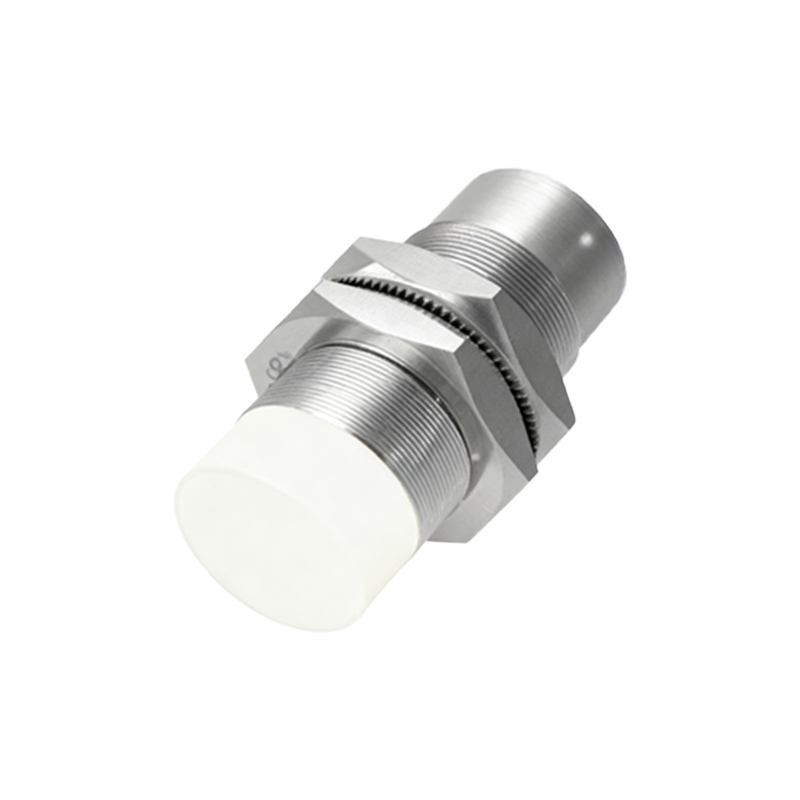
In conclusion, ultra-long range proximity sensors represent a significant leap forward in sensing technology. By providing reliable detection at distances once thought impractical for proximity sensing, they solve complex automation challenges, unlock new application possibilities, and contribute to safer, more efficient, and more flexible industrial operations. As automation systems grow more sophisticated, the role of these powerful sensors will only become more central, acting as the critical long-range eyes of the modern factory floor.