Proximity sensors are a cornerstone of modern industrial automation, providing non-contact detection of objects within a defined sensing range. These devices are critical for enhancing efficiency, safety, and precision in manufacturing, packaging, material handling, and countless other applications. Unlike mechanical limit switches, proximity sensors operate without physical contact, eliminating wear and tear and enabling high-speed, reliable operation in harsh environments. This article delves into the core technologies, selection criteria, and evolving landscape of proximity sensing.
The fundamental operating principle of most industrial proximity sensors involves generating an electromagnetic field or beam and detecting changes caused by a target object. The primary technologies are categorized as follows:
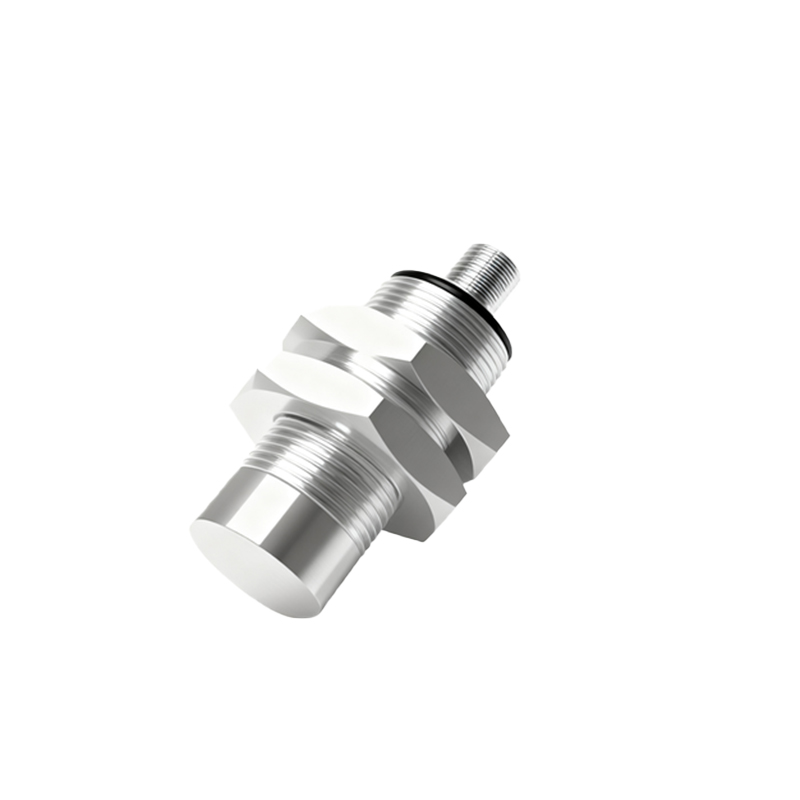
1. Inductive Proximity Sensors: These sensors detect metallic objects, primarily ferrous metals like steel and iron, though specialized versions can sense non-ferrous metals. An oscillator generates a high-frequency electromagnetic field at the active face of the sensor. When a metal target enters this field, eddy currents are induced in the target, causing a load on the oscillator. The sensor's detection circuit monitors this oscillation amplitude change and triggers a solid-state output switch. Key advantages include robustness against dirt, dust, oil, and water (often rated IP67 or higher), high switching frequencies, and long operational life. They are ideal for position sensing of machine parts, counting metal objects, or as non-contact limit switches.
2. Capacitive Proximity Sensors: These sensors can detect nearly any material—metals, plastics, wood, liquids, powders, and granules—by sensing changes in capacitance. The sensor forms one plate of a capacitor, with the target object acting as the other plate. As the target approaches, the capacitance of the circuit increases. When it reaches a preset threshold, the internal oscillator begins to oscillate, triggering the output. This makes capacitive sensors versatile for applications like liquid level detection in non-metallic tanks, monitoring presence of paper, wood, or plastic bottles, and sensing granular materials. Sensitivity adjustments are often available to tune out unwanted backgrounds or containers.
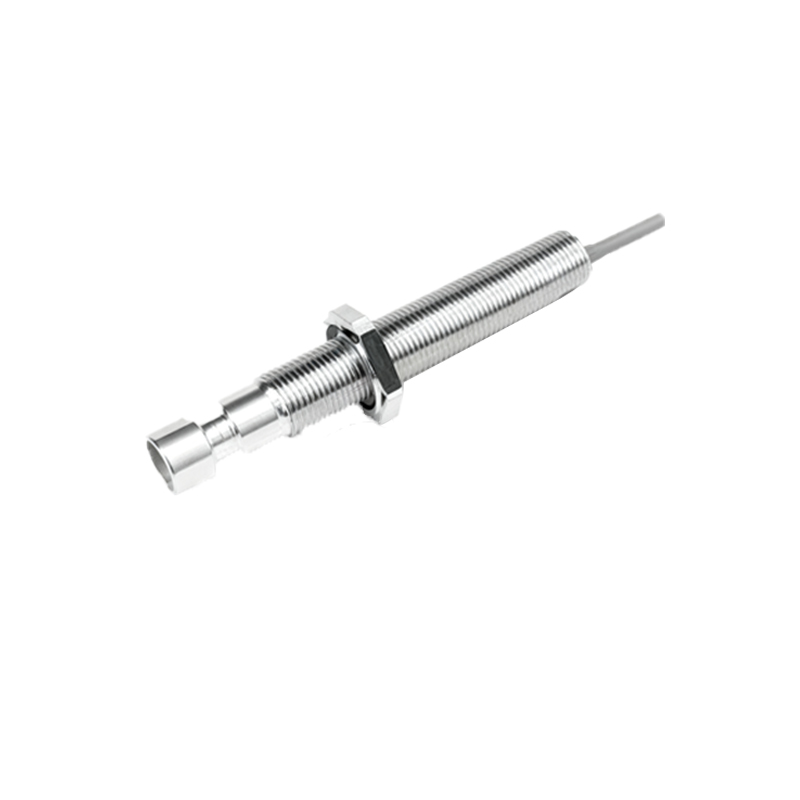
3. Ultrasonic Proximity Sensors: These sensors use sound waves beyond the human hearing range (typically 40-400 kHz). They emit ultrasonic pulses and measure the time for the echo to return from a target. This time-of-flight principle allows them to measure distance (analog output) or simply detect presence (switching output) of virtually any solid or liquid object, regardless of color, transparency, or material composition. They excel in challenging applications involving clear objects, dusty environments, or where precise distance control is needed, such as in roll diameter measurement, loop control, or palletizing.
4. Photoelectric Sensors: While often considered a separate category, photoelectric sensors are a vital form of proximity sensing. They use a light emitter (usually LED) and a receiver. In the proximity (diffuse) mode, the sensor detects light reflected directly from the target. The range depends on the target's color, reflectivity, and size. They offer very long sensing ranges compared to inductive/capacitive sensors and can detect small objects. Advanced versions use background suppression or true background suppression techniques to ignore objects beyond a set distance.
Selecting the right proximity sensor requires a careful analysis of the application parameters:
Target Material: Metal (inductive), any material (capacitive/ultrasonic), specific color/reflectivity (photoelectric).
Sensing Distance: Required nominal range and the necessary safety margin (usually 70-80% of rated range).
Environment: Exposure to washdown, chemicals, extreme temperatures, or heavy vibration dictates the housing material (e.g., stainless steel, PBT plastic) and ingress protection (IP) rating.
Output Type: Discrete (NPN/PNP, NO/NC) or analog (4-20 mA, 0-10 V) for proportional measurement.
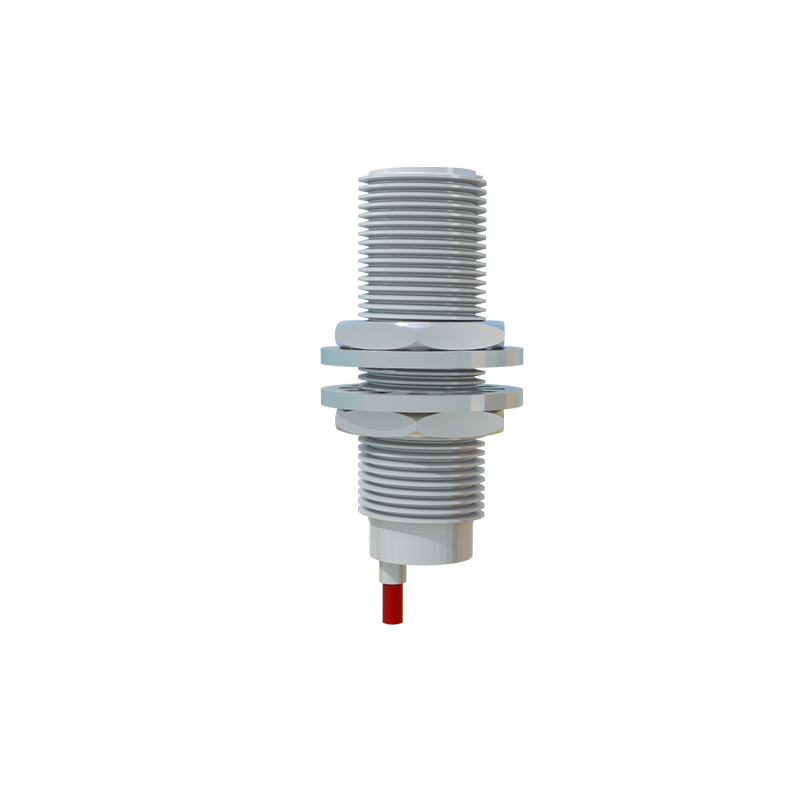
Mounting: Cylindrical (threaded) or rectangular housings, with considerations for flush or non-flush mounting for inductive sensors.
The future of proximity sensing is intertwined with Industry 4.0 and the Industrial Internet of Things (IIoT). Modern sensors are evolving beyond simple switching devices. Key trends include:
IO-Link Integration: This point-to-point serial communication protocol transforms standard sensors into smart devices. It enables parameter setting (e.g., sensitivity, hysteresis) on-the-fly, remote monitoring of operating status, and transmission of process data like temperature or signal strength for predictive maintenance.
Enhanced Diagnostics: Built-in diagnostics can warn of conditions like sensor overload, short circuits, or contamination before a failure causes downtime.
Miniaturization: Demand for smaller sensors continues for integration into compact machinery and robots.
Improved Performance: Higher switching frequencies, longer sensing ranges, and increased immunity to electromagnetic interference (EMI) are constant development goals.