Proximity switch sensors, particularly the square type, represent a critical category of non-contact sensing devices widely utilized in industrial automation and control systems. These sensors operate on various principles, including inductive, capacitive, and magnetic technologies, with inductive square proximity sensors being the most prevalent in metal detection applications. The square housing design is not merely an aesthetic choice; it offers significant functional advantages in mounting stability, space utilization, and environmental protection.
The fundamental working principle of an inductive square proximity sensor involves an oscillator circuit that generates a high-frequency electromagnetic field from its active face. When a metallic target enters this detection field, eddy currents are induced within the target, causing a change in the oscillator's amplitude. This change is detected by a threshold circuit, which subsequently triggers a solid-state output switch. The square form factor allows for a larger sensing face compared to cylindrical counterparts of similar volume, potentially offering a more generous sensing range or enabling a more compact design for the same range specification. Typical sensing distances for standard square inductive sensors range from 2mm to 25mm, depending on the sensor size and target material.
Key technical specifications define the performance of square proximity sensors. The housing is typically constructed from nickel-plated brass, stainless steel, or robust thermoplastic materials like PBT or PPS, ensuring high resistance to industrial chemicals, oils, and mechanical impact. Protection ratings are crucial, with most industrial-grade square sensors boasting at least IP67 certification, indicating complete protection against dust ingress and protection against immersion in water up to 1 meter for 30 minutes. Many achieve IP69K for high-pressure, high-temperature washdown environments. The output configuration is another vital parameter, with NPN (sourcing) and PNP (sinking) transistor outputs being standard, alongside Normally Open (NO) and Normally Closed (NC) switching logic. Some advanced models feature analog current (4-20mA) or voltage (0-10V) outputs or IO-Link digital communication for seamless Industry 4.0 integration.
The application advantages of the square design are manifold. The flat surfaces facilitate secure and flush mounting onto machine frames, brackets, or within T-slots, minimizing vibration-induced misalignment. The shape allows for efficient packing in multi-sensor arrays, optimizing space in control cabinets or on machinery with limited real estate. Many square sensors incorporate built-in mounting holes or slots, and some feature adjustable sensing direction heads, providing exceptional flexibility for challenging installation scenarios. LED indicators for power and output status are standard, offering clear visual diagnostics for maintenance personnel.
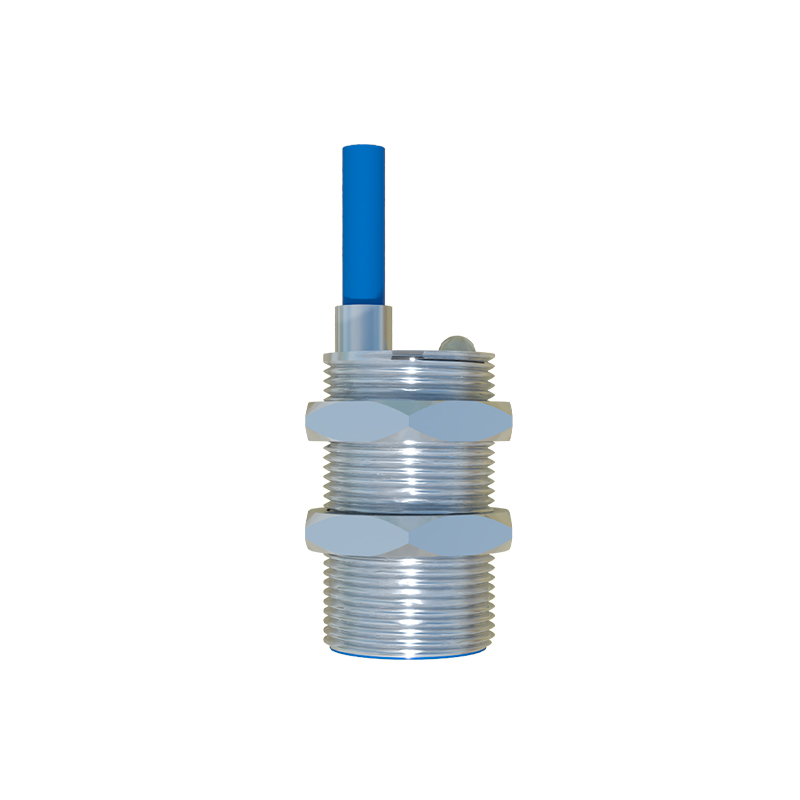
In practical industrial settings, square proximity sensors are indispensable. They are deployed for precise position detection of machine parts, such as cylinder piston rods, clamps, or slides. They serve as end-of-travel limit switches, provide presence verification of workpieces on conveyors or pallets, and monitor rotational speed by detecting gear teeth or bolt heads. In automated assembly lines, they ensure components are correctly positioned before a robotic operation. Their robust nature makes them suitable for harsh environments found in metalworking, automotive manufacturing, packaging, and material handling industries.
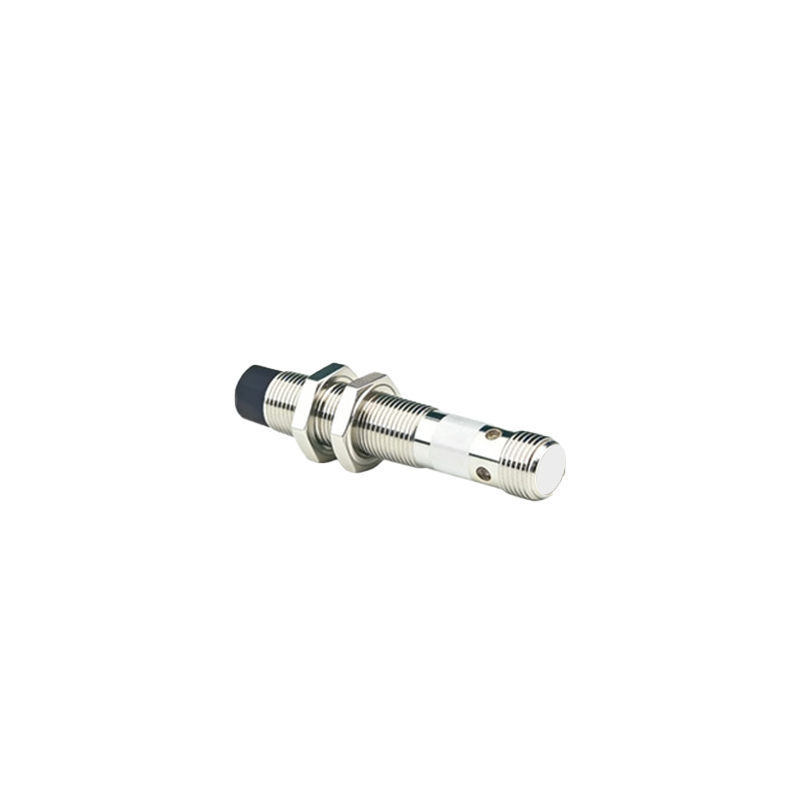
Selection criteria for a square proximity sensor must be meticulous. Engineers must first identify the target material (ferrous, non-ferrous, or all metals) to choose between standard inductive, all-metal inductive, or capacitive types. The required sensing distance must be calculated with a safety factor, typically 70-80% of the rated nominal range to account for temperature variations and part tolerances. The operating voltage (commonly 10-30V DC or 90-250V AC) must match the control system. Environmental conditions dictate the necessary housing material and IP rating. For high-speed applications, the sensor's switching frequency (often up to 5kHz) is critical. Finally, the output type must be compatible with the PLC or controller input module.
Installation and wiring require attention to detail. Sensors should be mounted securely to prevent movement. A minimum clearance around the sensing face is necessary to avoid interference from surrounding metal (as specified in datasheets). Wiring must follow the manufacturer's diagram precisely, ensuring correct polarity for DC models. Shielding or twisted-pair cables are recommended for long cable runs to prevent electromagnetic interference. Regular maintenance involves cleaning the sensing face of debris, metal chips, or coolant buildup, and periodically verifying the sensing distance and output signal integrity.
Future trends for square proximity sensors point towards increased miniaturization without sacrificing performance, enhanced intelligence with diagnostic capabilities (like switch point monitoring or contamination warnings via IO-Link), and greater resilience in extreme temperatures and pressures. The square form factor will continue to dominate applications where reliable, stable mounting and space efficiency are paramount. As a cornerstone of industrial sensing, the square proximity switch sensor remains a testament to pragmatic engineering design, delivering reliable, non-contact detection that is fundamental to modern automated systems.