In today's fast-paced industrial automation, robotics, and security sectors, the demand for precise, reliable sensing solutions is non-negotiable. Among the most critical components are infrared laser sensors, prized for their accuracy, long-range capability, and performance in challenging environmental conditions. For engineers and procurement specialists, finding these sensors "in stock" and ready for immediate shipment is often a primary concern that directly impacts project timelines and operational continuity. This article provides a professional overview of infrared laser sensor technology, current market availability, and key considerations for sourcing from suppliers with genuine real-time inventory.
Infrared laser sensors operate by emitting a focused beam of infrared light and measuring its reflection. The time-of-flight (ToF), phase-shift, or triangulation principles are then used to calculate distance, detect presence, or measure displacement with high precision. Unlike standard LED-based infrared sensors, laser-based versions offer significantly better resolution, smaller spot size, and superior signal-to-noise ratio, making them ideal for applications like precision assembly, level monitoring, contour profiling, and autonomous vehicle navigation. Common types include diffuse reflective sensors, through-beam sensors, and background suppression sensors, each suited to specific range and environmental needs.
The term "in stock" in this context is crucial. It signifies that a supplier or distributor has physical inventory on hand, unallocated to other orders, and available for immediate dispatch. For critical maintenance or urgent production line upgrades, this availability can mean the difference between hours of downtime and days or weeks of delay. Leading manufacturers like KEYENCE, SICK, Banner Engineering, Omron, and Panasonic typically have extensive networks of authorized distributors who maintain regional stock of popular models. However, availability fluctuates based on global semiconductor supply chains, raw material shortages, and seasonal demand spikes in sectors like e-commerce logistics and automotive manufacturing.
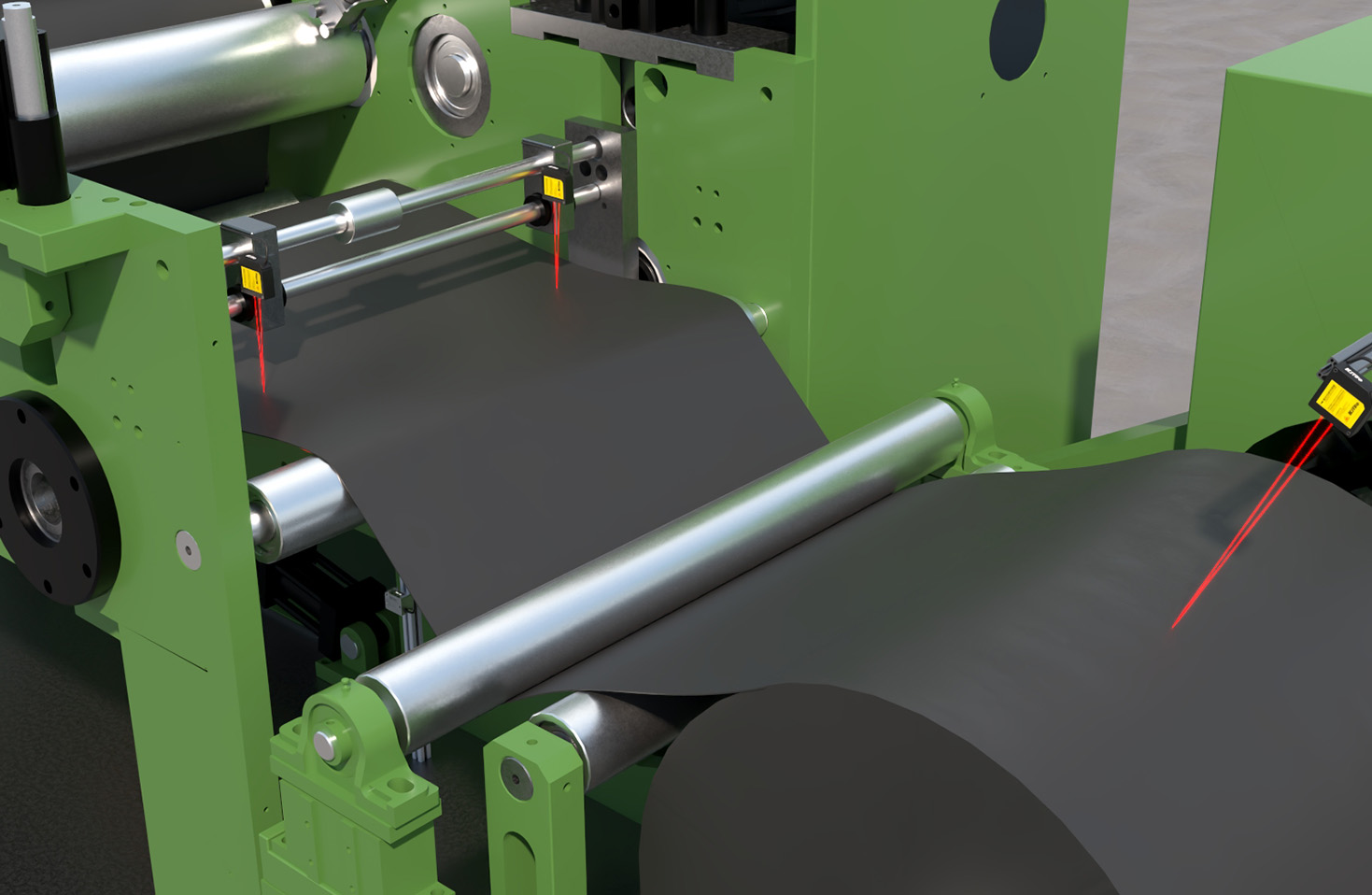
When searching for infrared laser sensors in stock, engineers should prioritize several technical and logistical factors. First, verify the sensor's specifications against the application: wavelength (common are 850nm or 905nm), sensing range, response time, output type (NPN/PNP, analog, IO-Link), and environmental ratings (IP67, IP69K). Second, engage with suppliers that provide verified, real-time inventory data—often accessible through their e-commerce platforms—rather than relying on generalized "usually ships in" estimates. Third, consider the supplier's technical support capability. A distributor with application engineers can provide invaluable assistance in sensor selection, integration troubleshooting, and even suggesting alternative in-stock models if the first choice is unavailable.

The current market landscape shows robust availability for standard-range (up to 10m) diffuse and through-beam sensors, particularly those with robust housings for industrial environments. More specialized models, such as long-range sensors exceeding 50m or ultra-high-precision versions for micron-level measurements, may have longer lead times. To mitigate supply chain risks, many organizations are adopting a dual-sourcing strategy, identifying and validating compatible sensors from multiple manufacturers that can be sourced from different distributors.
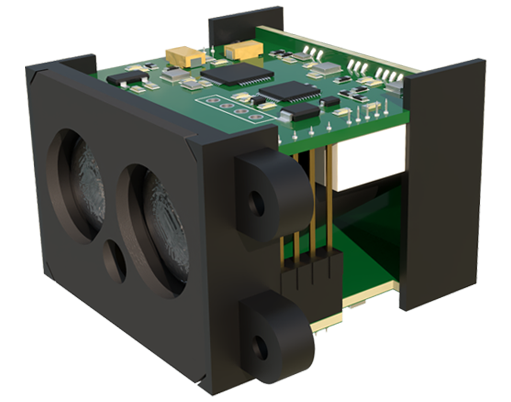
In conclusion, procuring infrared laser sensors from verified in-stock inventory requires a blend of technical knowledge and supply chain diligence. By clearly defining application requirements, partnering with reputable distributors offering transparent stock levels, and understanding market dynamics, engineering teams can secure these vital components efficiently. This proactive approach ensures that projects proceed on schedule and that operational efficiency is maintained without compromise.